
AI adoption is accelerating across enterprises, but for many organizations, the biggest challenge is no longer accessing AI technology — it’s maintaining control over sensitive business data.
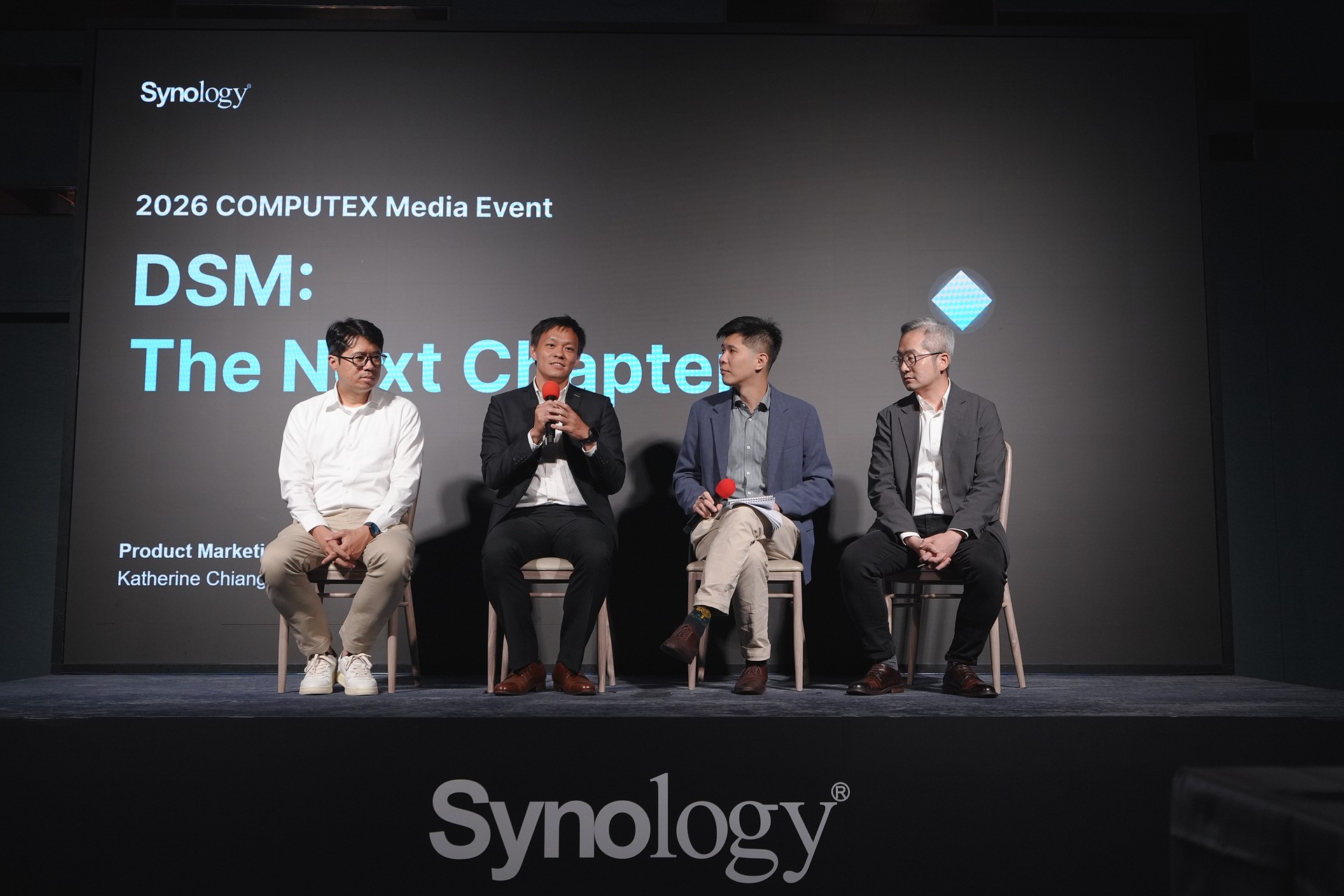
At COMPUTEX 2026, Synology unveiled its vision for the next generation of DiskStation Manager (DSM), transforming its popular NAS operating system into what the company describes as an intelligent data platform designed for private, on-premises AI workflows. The move signals Synology’s ambition to evolve beyond traditional storage and become a key player in enterprise AI infrastructure.
Rather than sending corporate data to third-party cloud services, Synology wants businesses to run AI-powered workflows directly within their own infrastructure, keeping data secure, compliant and fully under organizational control.
Synology Is Building an AI Platform Around Your Existing Data
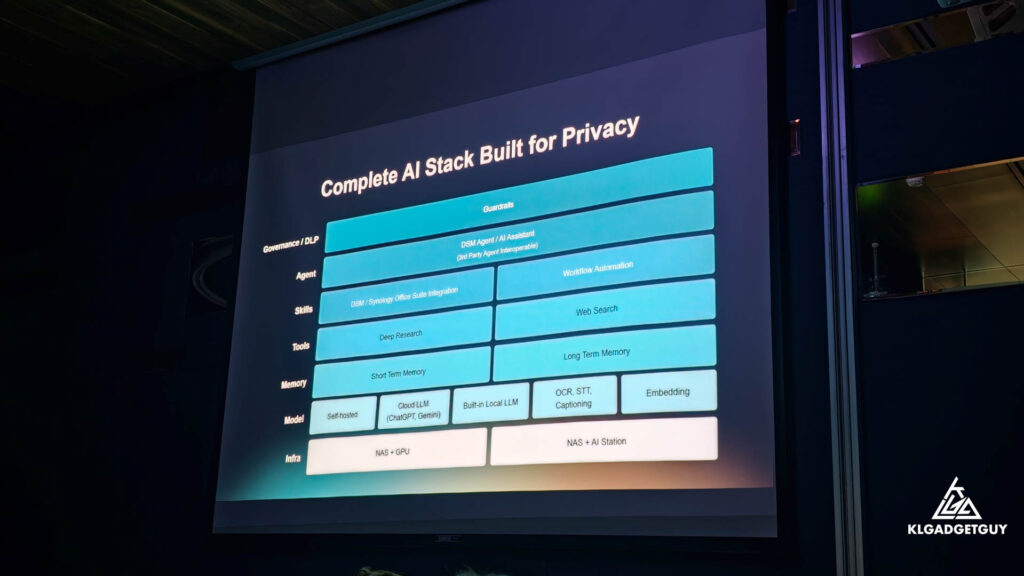
For years, DSM has served as the operating system powering Synology’s NAS ecosystem. With the upcoming generation, Synology is expanding its role significantly.
The company says the new DSM will be capable of transforming business documents, system logs and operational metrics into a private knowledge base that AI agents can access and act upon. This allows organizations to leverage AI insights without exposing sensitive information to external cloud providers.
According to Synology Chairman and CEO Philip Wong, the focus is no longer on whether businesses can adopt AI, but whether they can do so while maintaining control over their data.
By keeping AI processing on-premises, organizations gain greater visibility into how information is accessed, stored and utilized while avoiding recurring cloud costs associated with large-scale AI deployments.
AI Assistant and Local Inference Without Sending Data to the Cloud
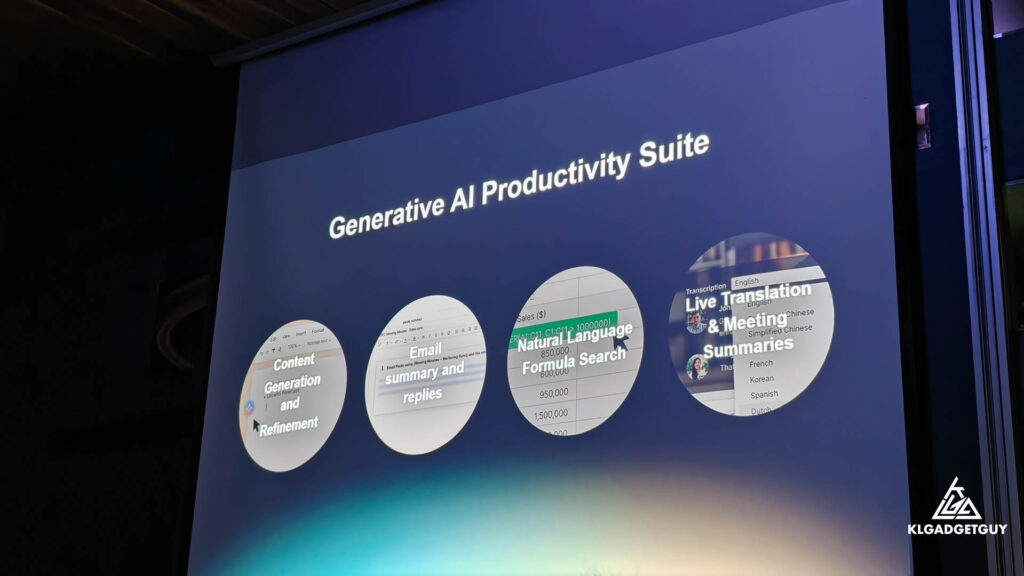
One of the most immediate AI features coming to DSM is the integration of AI-powered productivity tools within Synology Office Suite.
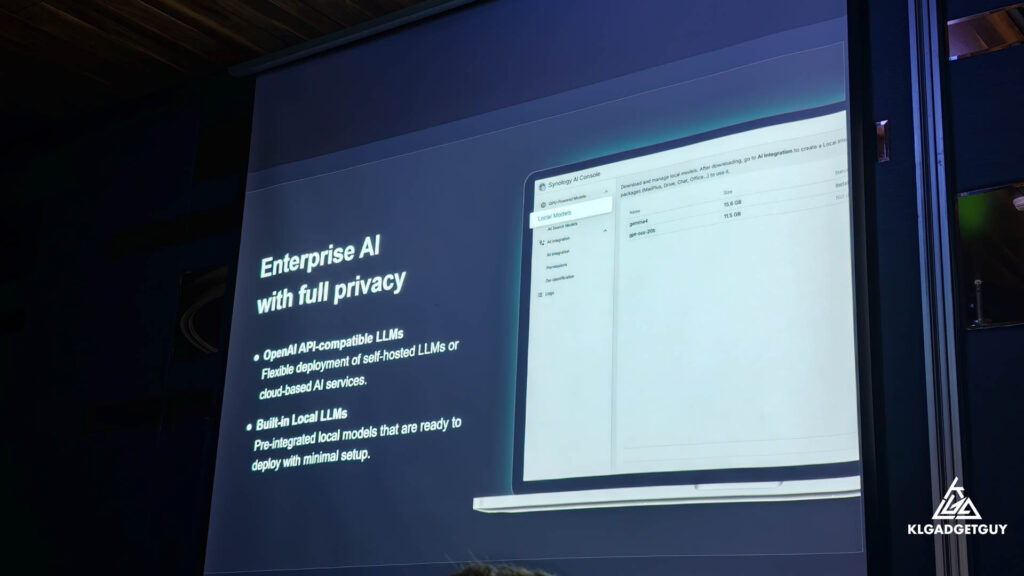
The built-in AI Assistant is designed to help users work more efficiently through intelligent content generation and workflow enhancements while keeping all data within the organization’s infrastructure.
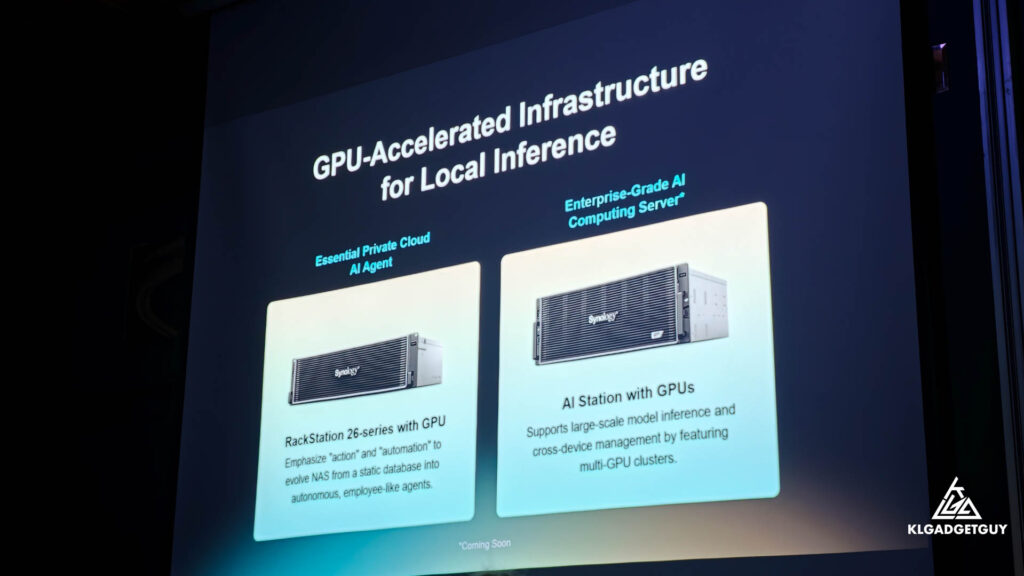
For more advanced AI workloads, Synology plans to leverage its GPU-powered rack servers and dedicated AI appliances to perform local AI inference directly on-site.
This means businesses can deploy AI applications without moving sensitive files, documents or operational data outside their own environment — a growing concern for industries dealing with regulatory compliance and confidential information.
DSM Agent Introduces AI-Powered System Administration
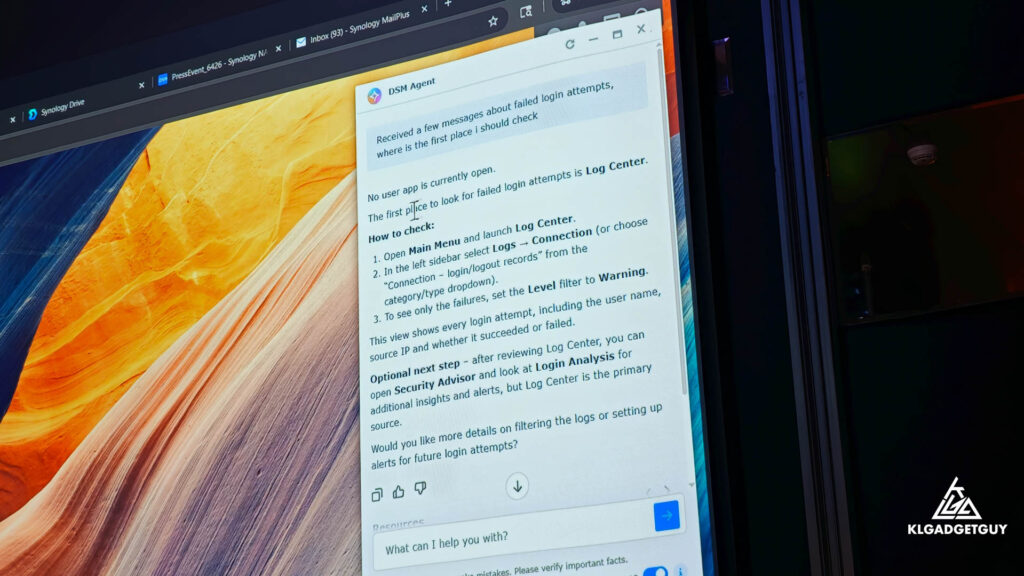
Synology is also introducing DSM Agent, a new AI-powered administrative assistant designed to automate and simplify system management.
Rather than requiring IT teams to manually configure every aspect of infrastructure, DSM Agent provides guided administrative workflows and can orchestrate multiple tools and actions across systems.
The platform supports agentic workflows, allowing AI agents to execute more complex tasks while operating within predefined governance and security policies.
Importantly, Synology says built-in guardrails will provide IT administrators with complete visibility into how AI systems access and use organizational data.
Managing Hundreds of Synology Systems Just Got Easier
Beyond AI, Synology is also addressing one of the biggest challenges faced by larger enterprises: managing storage infrastructure at scale.
The new Cluster Manager introduces centralized management across multiple Synology systems through a unified interface. Storage services and applications can be containerized into isolated workloads, enabling administrators to move services between systems more efficiently.
Organizations will also gain access to fleet-wide Quality of Service (QoS) controls, workload migration tools and protection policies designed to reduce administrative complexity.
For enterprises operating multiple branch offices, data centers or distributed environments, this could significantly simplify infrastructure management.
Faster Deployment for Enterprise Environments
Synology is also enhancing Active Insight with a new Mass Deployment feature.
The capability is designed to accelerate provisioning and configuration across large deployments, reducing the time required to bring new systems online.
As organizations continue expanding storage infrastructure to support AI, analytics and hybrid work environments, reducing deployment complexity becomes increasingly important for IT teams managing hundreds or even thousands of devices.
Stronger Security and Compliance Features
With cybersecurity risks and regulatory requirements continuing to grow, security remains a major focus for the next generation of DSM.
Synology is expanding its identity and access management capabilities through more granular Role-Based Access Control (RBAC), giving organizations greater control over user permissions and data access.
The company is also introducing a revamped Log Center that consolidates operational and application logs into a single dashboard for monitoring, auditing and compliance purposes.
For regulated industries, Synology confirmed that the new platform will include a built-in secure element alongside ongoing FIPS 140-3 certification efforts, helping organizations meet stricter security standards.
Why This Matters
The AI conversation has largely been dominated by cloud providers over the past two years. However, many enterprises are increasingly concerned about privacy, compliance requirements and the long-term cost of cloud-based AI services.
Synology’s vision for the future of DSM offers an alternative approach.
Instead of sending sensitive business information to external AI platforms, organizations can build private AI environments directly on top of their existing storage infrastructure. For businesses already invested in Synology’s ecosystem, this could make AI adoption significantly more practical while maintaining full ownership of data.
As enterprise AI continues to evolve, the battle may no longer be about who has the most powerful AI models, but who can provide the most secure and manageable platform for running them.
And with the next generation of DSM, Synology is making it clear that it wants its NAS systems to become much more than storage devices.
Availability
Synology says the features outlined in the roadmap will be introduced progressively through future DSM releases. More details and availability updates are expected to be announced in the coming months.