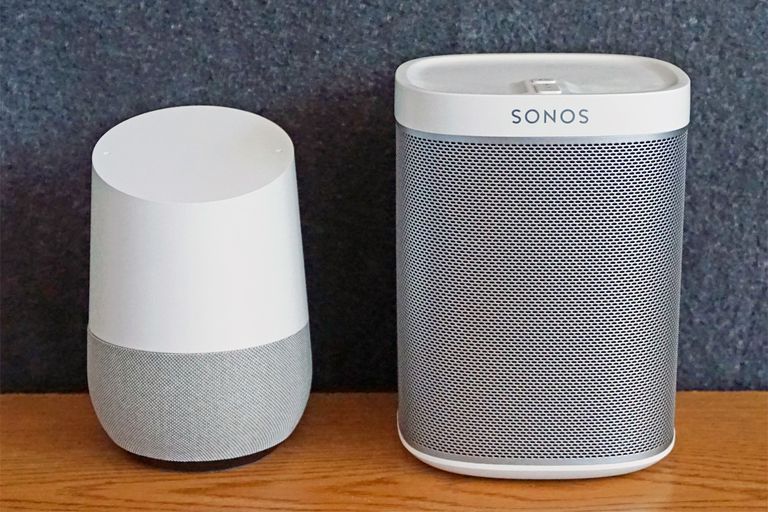
Google is opening up Google Home to third-party AI agents through a new Model Context Protocol, or MCP, server. Instead of relying only on Gemini for Home, compatible AI tools can now connect to a user’s smart-home setup, inspect device states, review historical events and send supported control commands.
The idea is much bigger than asking a speaker to turn off a light. Google’s developer documentation shows that an AI agent can discover rooms and devices, monitor real-time states, execute commands and query past activity. In practice, that could mean asking an agent what happened while you were away, whether specific devices are still switched on, or to build a custom dashboard around your home.
Claude, Antigravity and OpenClaw are among the supported examples
Google lists Antigravity, Claude Cowork and OpenClaw as examples of MCP-compatible clients in its setup documentation. Because MCP is an open protocol, the broader idea is that different compatible AI agents can plug into the same Google Home infrastructure rather than locking users to one assistant.
Google says the Home MCP server works with devices already inside the Google Home ecosystem, including supported Nest products and compatible Matter or Works with Google Home devices.
Google is putting safety limits around what agents can do
Giving an AI agent control over real-world devices obviously introduces new risks, and Google’s own documentation includes a prominent warning about unexpected or unwanted behaviour. The system applies rate limits and blocks sensitive actions such as unlocking doors.
Users can revoke an agent’s access through Google Home or their Google account, while access to Familiar Face data requires an additional consent step. Google also recommends informing other household members if an agent is connected to a shared home because it may be able to access device data and control supported hardware.
Malaysia will have to wait
Early access is currently rolling out in the United States to Google Home Premium Advanced subscribers. That tier costs US$20 per month or US$200 per year, and setup also requires a Google Cloud project and OAuth credentials, so this is clearly aimed at enthusiasts and developers for now rather than the average smart-home owner.
Google has not announced Malaysia availability or a wider rollout date. That makes the feature more of a glimpse at where smart homes are heading than something most Malaysians can turn on today.
The smart-home assistant may become less important than the platform underneath
This could be the more interesting long-term shift. If multiple AI agents can securely access the same lights, cameras, thermostats and sensors, users may eventually choose their preferred assistant while keeping Google Home as the underlying device platform.
For a category that has spent years fragmented between Alexa, Google Assistant, Siri and manufacturer-specific apps, MCP could make the assistant itself interchangeable. The challenge will be proving that giving increasingly autonomous AI access to the home can be useful without making it unpredictable.