
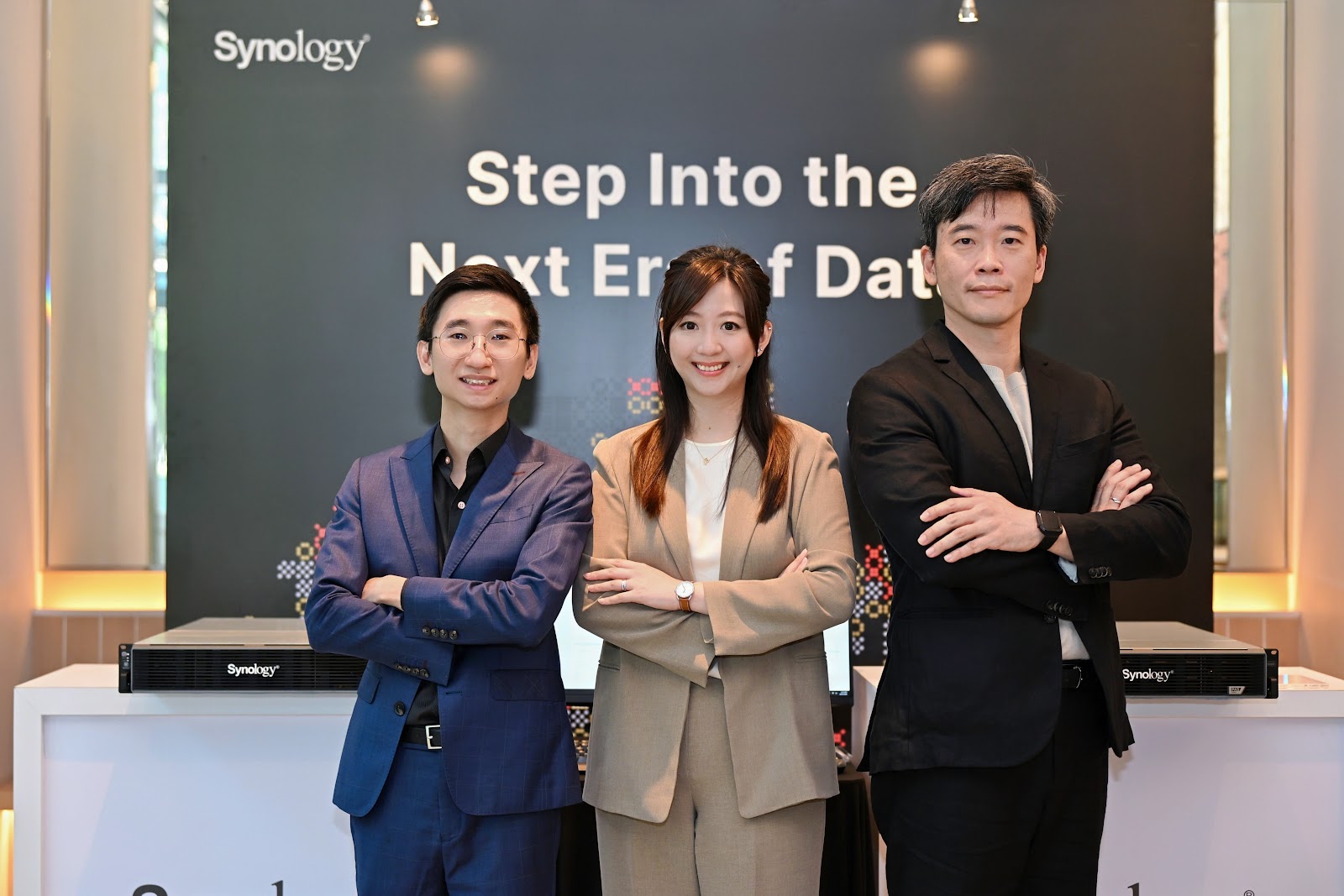
Malaysian businesses are enthusiastic about artificial intelligence, but making their data secure and ready for it remains a bigger challenge. At its Annual Press Event 2026 in Kuala Lumpur on 21 October, Synology shared survey findings showing that more than 90% of local respondents consider AI-ready infrastructure important for productivity and workflow efficiency, while 70% identify data security and privacy as an AI adoption obstacle.
It is a telling contrast. Companies may want to roll out AI tools, but those tools are less useful when business information is scattered across departments, difficult to access or poorly protected. Synology’s argument is that the next step for Malaysian businesses is not simply adopting more AI software, but getting the underlying data infrastructure right.
Data security is the biggest obstacle to AI adoption
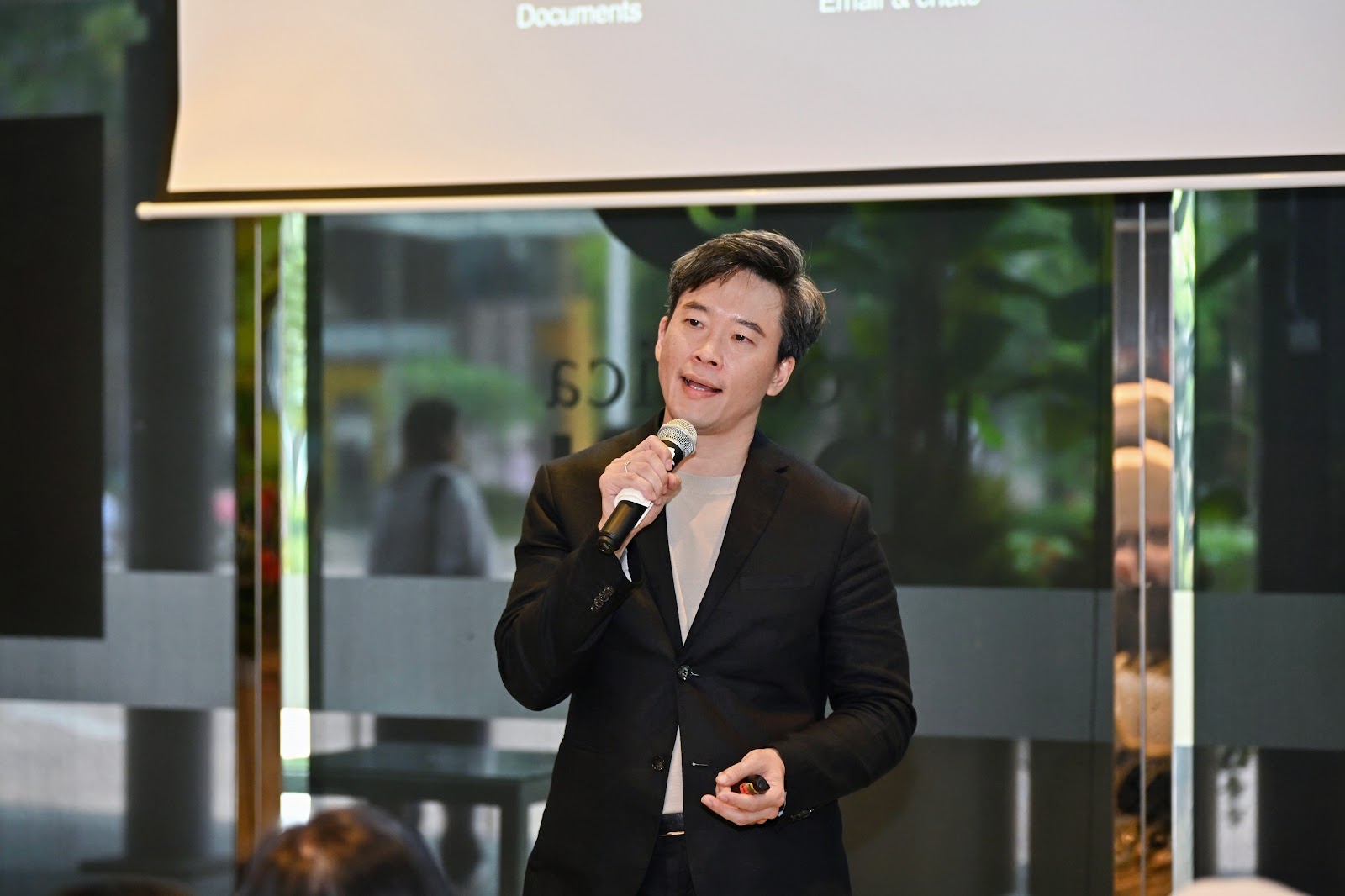
According to Synology’s survey, 70% of Malaysian respondents cite security and privacy among the challenges to adopting AI. Data quality and availability follow at 42%, while 40% say their information is scattered across different systems.
For a company hoping to use AI to summarise internal reports, help customer service teams or streamline administration, these are real obstacles. An AI assistant cannot reliably work with incomplete or outdated records. There is also the risk of confidential data reaching people or services that should not have access to it.
Antoine Yang, Synology’s Head of Southeast Asia, said businesses need data they can trust and a dependable way to recover when disruption occurs if they want to sustain the benefits of AI.
The figures come from Synology’s survey of Malaysian respondents. The accompanying press materials did not provide a sample size or methodology, so these percentages should be treated as survey findings rather than a definitive census of every Malaysian business.
Hybrid and on-premises infrastructure remain priorities
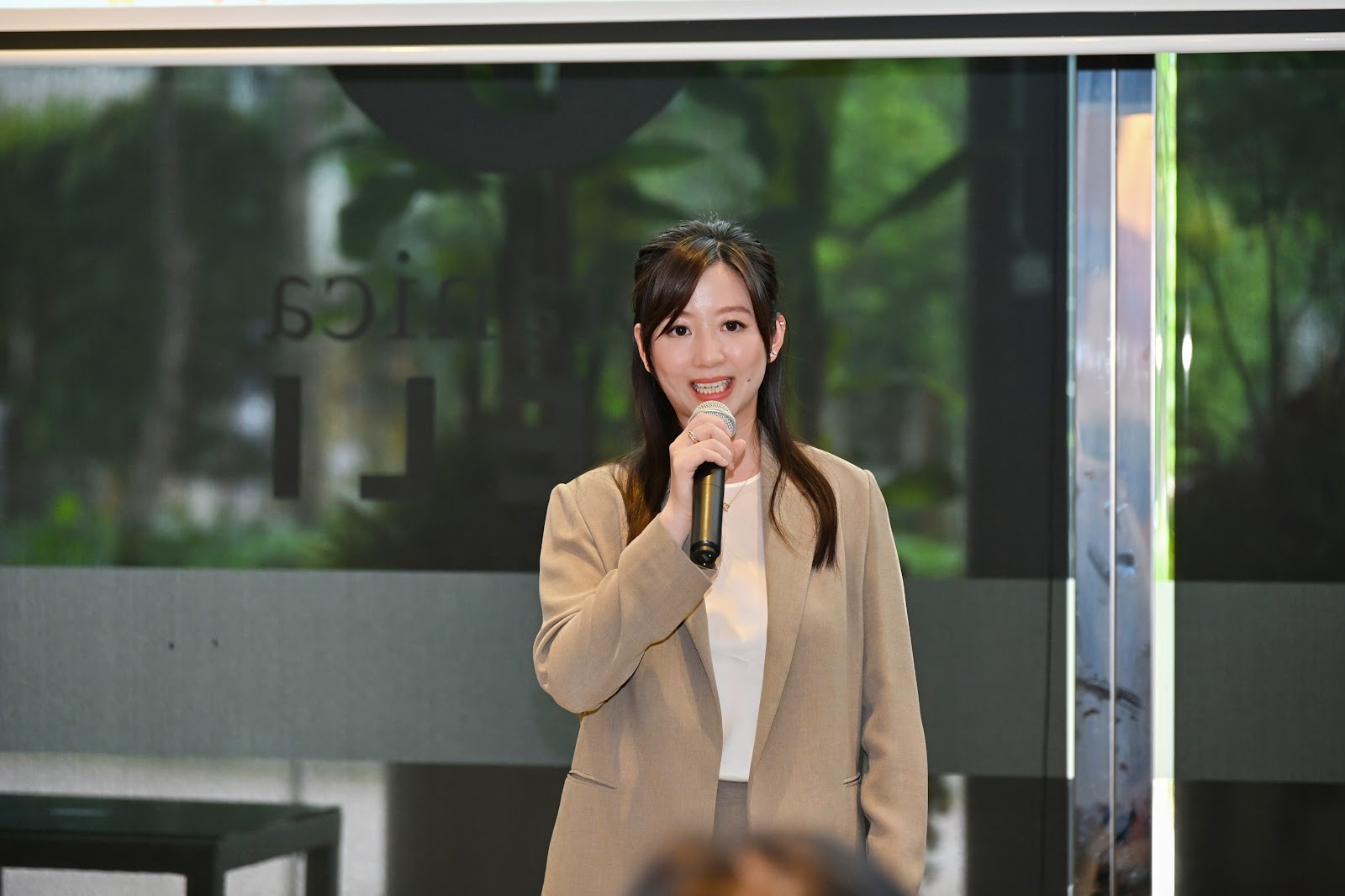
Some 68.6% of respondents prioritise hybrid or on-premises infrastructure, compared with only 12.5% who prioritise public cloud. This does not mean the cloud is being abandoned, but it indicates that many organisations want greater control over where critical data is stored and how it is used.
That becomes especially important when employees experiment with third-party AI assistants. Nearly 40% of respondents said they have no visibility into how information shared with outside AI tools is handled. Without access rules and an approved workflow, employees could unintentionally submit customer records or other sensitive company material.
For smaller businesses, good governance starts with knowing where important files live, setting clear permissions, establishing backup policies and deciding which data is appropriate for external AI services. These are practical steps even before a company invests in more sophisticated AI applications.
Ransomware recovery confidence tells another story
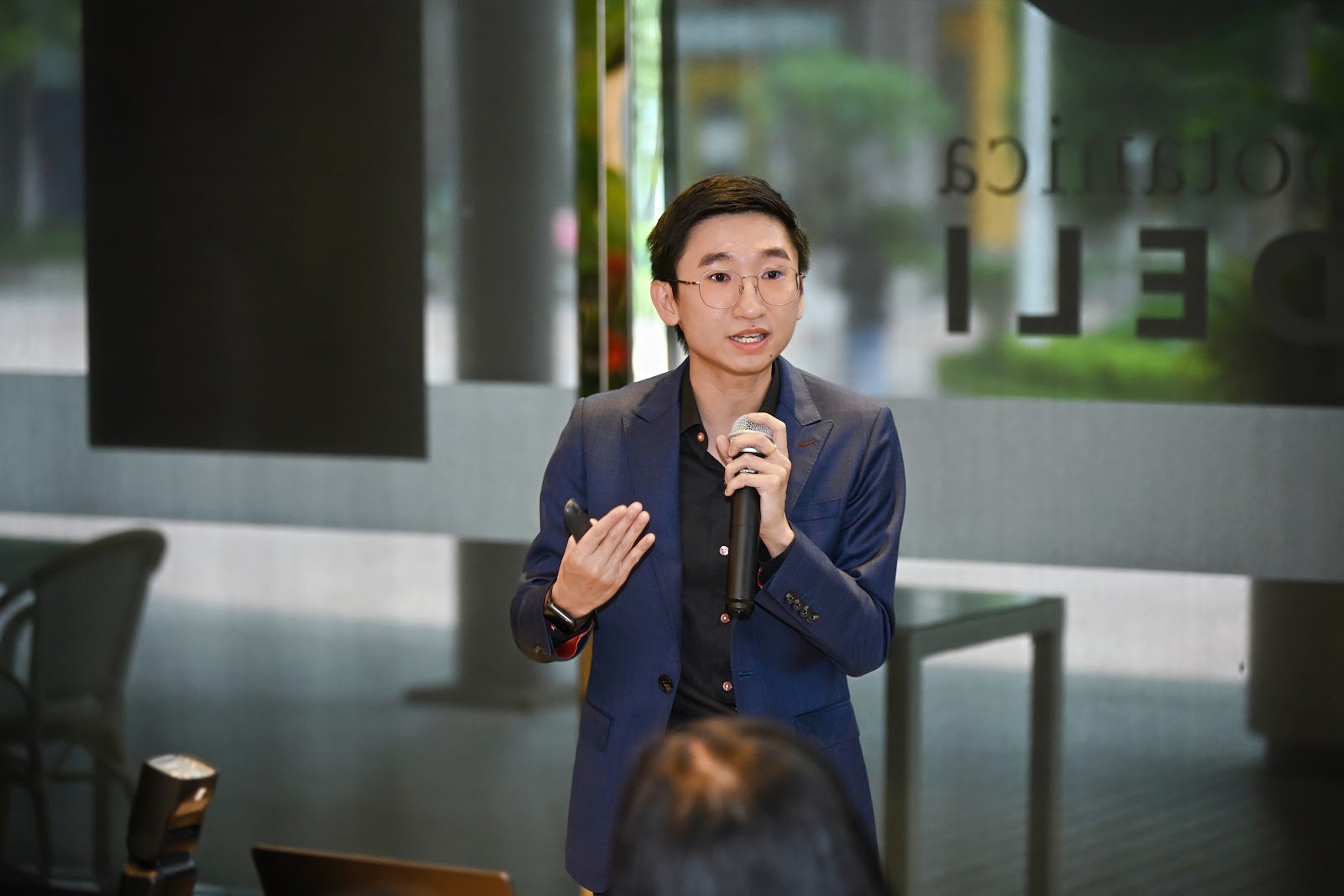
While 74% of surveyed organisations express confidence that they could recover quickly from ransomware while keeping backup data protected, only 26.4% describe themselves as very confident. That gap matters because creating a backup and being able to restore an entire business quickly are not the same thing.
Backup copies can be incomplete, misconfigured or vulnerable to tampering. Testing restores, protecting recovery copies and planning for extended downtime are essential steps. Synology says its ActiveProtect appliances address these challenges with centralised management, immutable protection and automated isolation.
ActiveProtect Manager 2.0 expands support to more enterprise workloads, including Nutanix AHV and Proxmox VE, while Synology’s DP5200 is a compact 1U appliance aimed at branch offices and growing organisations. These are product capabilities described by Synology, not independently tested outcomes of a ransomware incident.
New enterprise storage and private AI tools
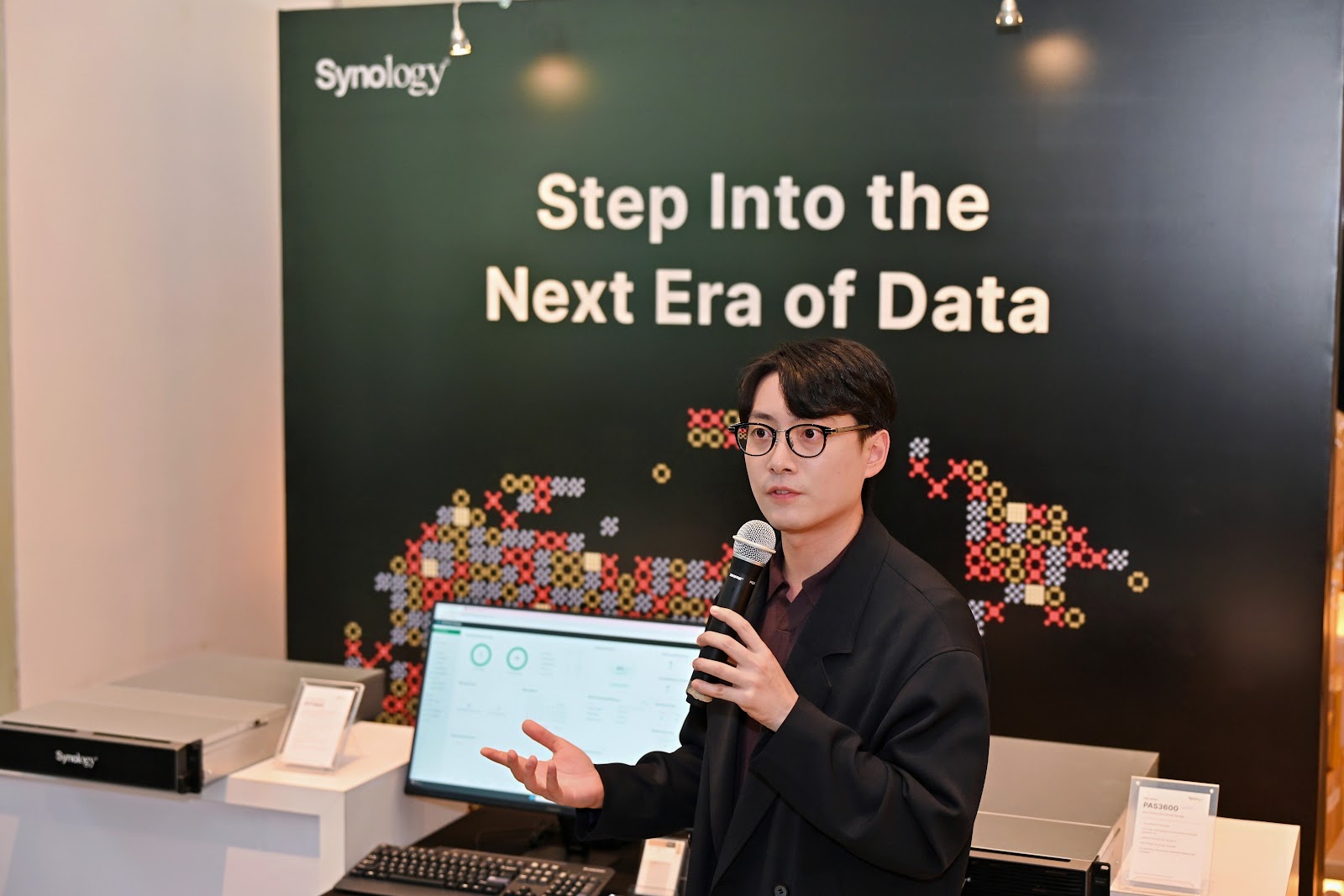
Synology used the event to highlight the PAS7700, an NVMe-based enterprise storage system for mission-critical workloads, along with new-generation FlashStation and RackStation models. Synology Tiering and data-reduction features in DiskStation Manager 7.4 are intended to help businesses manage storage capacity more efficiently.
Its strategy also covers everyday work. Synology Office Suite offers on-premises collaboration with AI assistance for documents, presentation content and spreadsheet formulas. ChatPlus and Meet extend that ecosystem into messaging and video meetings, while the DVA7400 surveillance appliance uses AI to assist with detection and video searches.
Actual performance, deployment costs and compatibility will depend on each organisation’s setup. Synology did not announce a single Malaysian price covering all the products and services discussed at the event.
AI readiness begins with better data management
Synology clearly sees an opportunity for its storage, backup and collaboration products as businesses invest in AI. But the underlying challenge goes well beyond one vendor: companies need information they can trust, rules over how employees use it and a tested recovery plan for the day something goes wrong.
For Malaysian organisations, those foundations may end up delivering more practical value than rushing to adopt another AI chatbot. Better-managed data makes AI tools more useful, while stronger backups and access controls help ensure the gains do not disappear when a security incident occurs.