
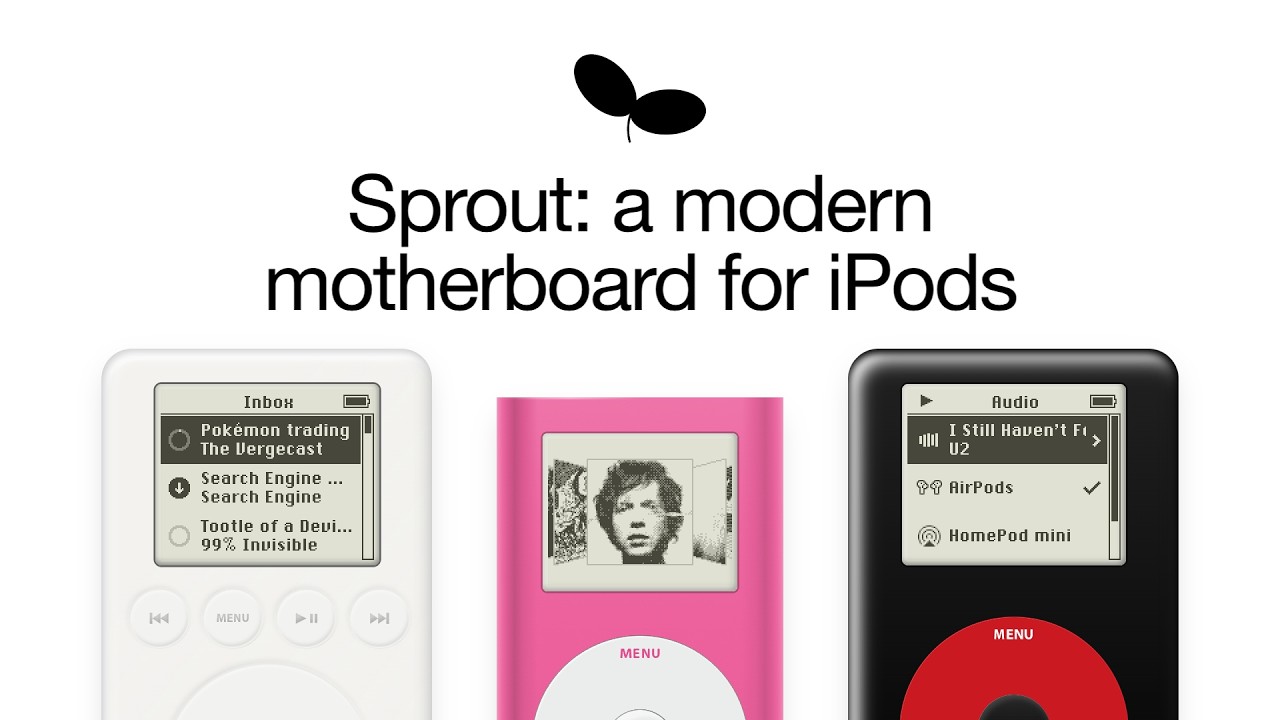
Remember when listening to music meant carrying a dedicated iPod instead of reaching for your smartphone? An ambitious new hardware project called Sprout could bring selected classic Apple music players back to life, complete with Bluetooth, Wi-Fi, USB-C and expandable storage, all while keeping the original monochrome screen and click wheel.
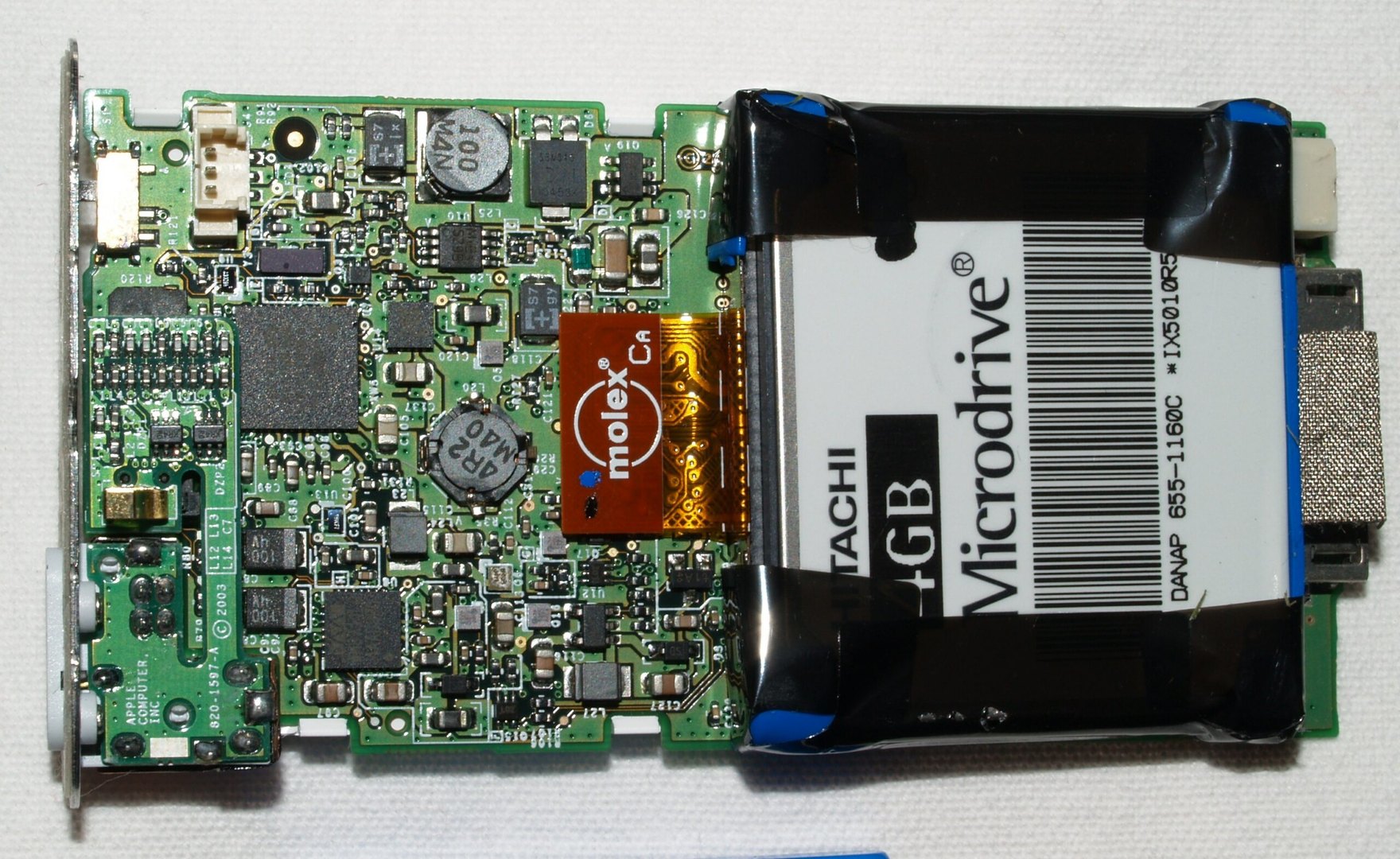
Developed by London-based studio Certain Things, the Sprout Pi Mainboard is a replacement motherboard for third- and fourth-generation iPods and the first two generations of the iPod mini. Instead of merely swapping a worn-out hard drive for flash storage, Sprout replaces the logic board itself, allowing an ageing music player to gain modern hardware without changing the experience that made it special.
The more advanced Sprout Pi version is also being developed to support Spotify and Apple Music, although those streaming features are still proofs of concept rather than guaranteed launch capabilities. The crowdfunding campaign is listed as coming soon, with no confirmed price or shipping date.
The iPod look, with a different computer inside
Sprout is designed to reuse the original enclosure, display, click wheel and ribbon cables. Certain Things says installation requires a screwdriver and plastic opening tool, with no soldering, and that the modification is reversible. That is promising for enthusiasts who want to preserve their original hardware, but opening an old iPod still demands care: small ribbon cables and brittle components can be damaged during disassembly.
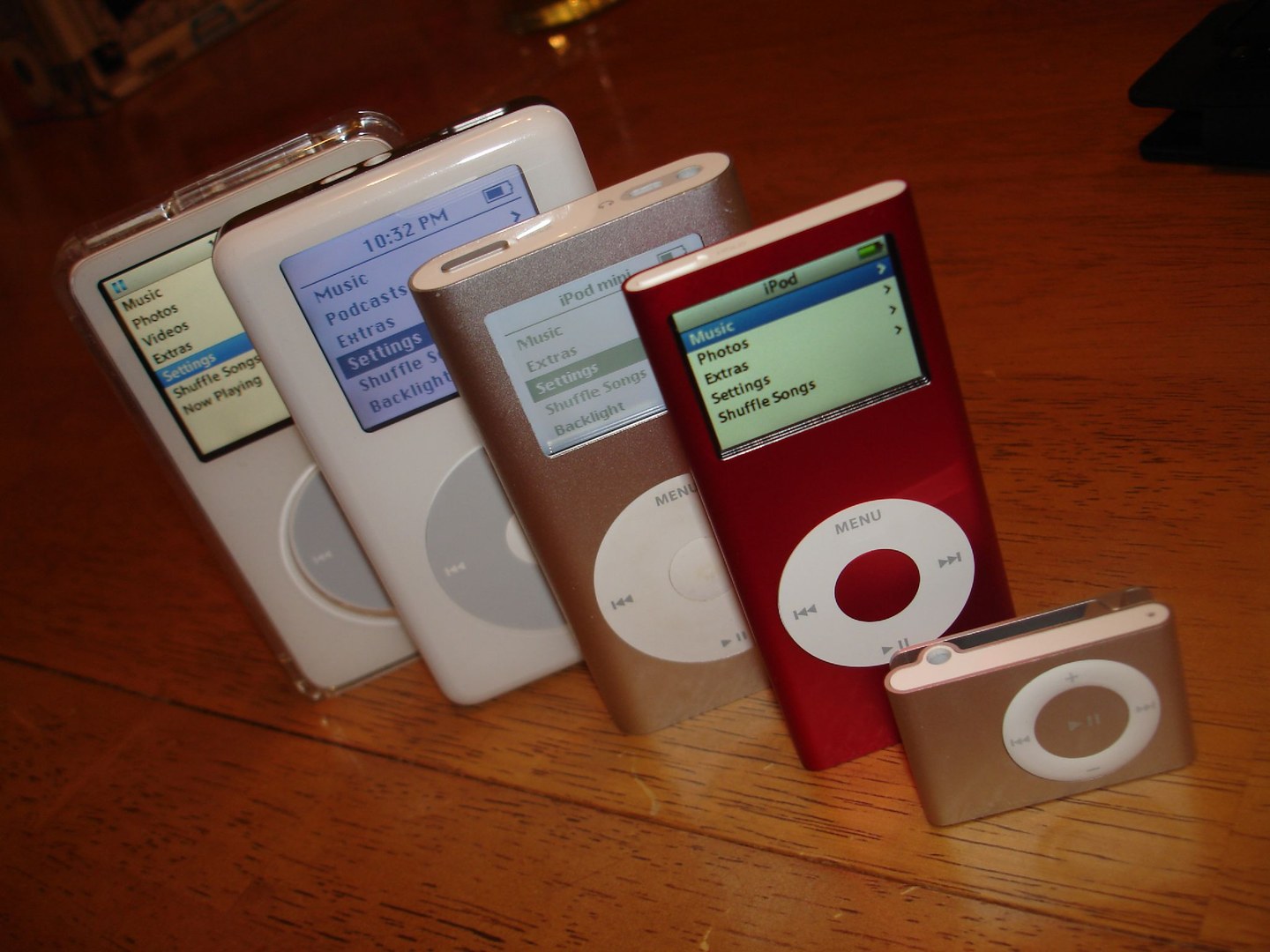
There are important compatibility limits. Only the monochrome third- and fourth-generation iPods and first- and second-generation iPod minis are listed. It does not support the later fifth-generation iPod video, colour-screen iPod photo models, the iPod nano or the later iPod classic designs.
Sprout Pico and Sprout Pi have different jobs
Certain Things is developing two versions of the motherboard. Sprout Pico uses the Raspberry Pi RP2350 microcontroller and focuses on locally stored music and podcasts. It is the simpler option for people who want a distraction-free player without depending on online streaming services.
Sprout Pi adds a Raspberry Pi Compute Module Zero running Linux, opening the door to third-party apps, streaming podcasts and support for Spotify and Apple Music. The Pi version is planned only for the third- and fourth-generation full-sized iPods, while the iPod mini is limited to Sprout Pico.
The new software is being written to feel familiar, with click-wheel navigation and features such as Cover Flow, Search and Podcasts. It should retain much of the classic iPod experience, rather than turning the device into a tiny smartphone with a different interface.
Bluetooth for AirPods, USB-C and a hi-fi DAC
Both boards are designed to add Bluetooth audio for wireless headphones and speakers, plus Wi-Fi for network features. USB-C replaces the original charging arrangement and supports drag-and-drop file transfer and digital audio output to compatible USB-C headphones or external DACs.
Wired headphone fans are not forgotten. Sprout retains the original 3.5mm socket and specifies a Cirrus Logic CS43131 hi-fi digital-to-analogue converter, or a similar component in the final design. That should be interesting to listeners who have built a library of lossless files, though sound quality will need proper testing once production hardware is available.
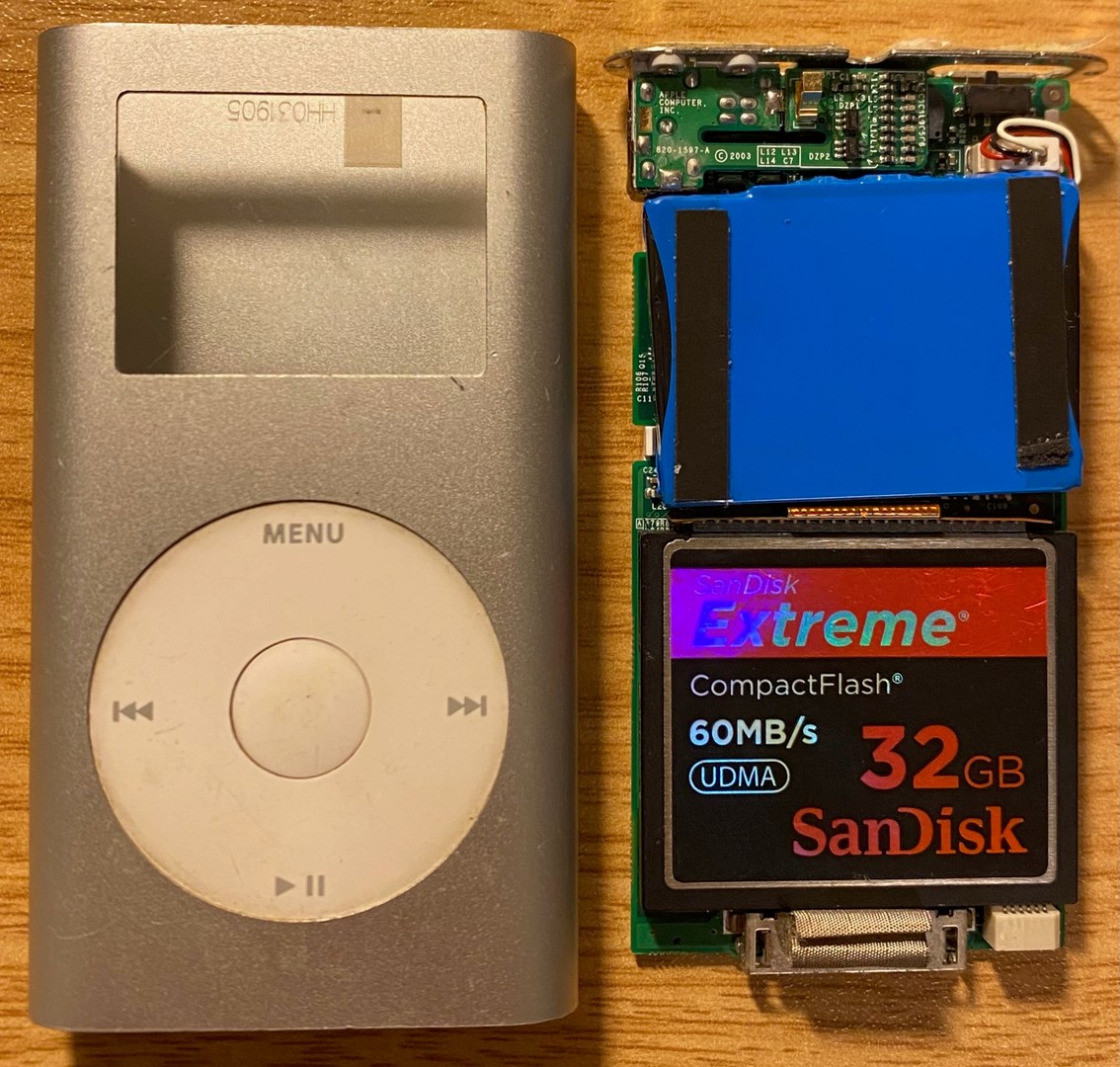
Supported local formats include MP3, AAC, ALAC, FLAC and Opus. A microSD card slot supports up to 2TB, a massive increase over the small mechanical hard drives found in the original iPods. It also removes the need to rely on old iTunes syncing workflows just to add music.
Streaming is the ambition, not a guarantee
Running Spotify and Apple Music on an iPod from the early 2000s sounds like the ultimate nostalgia upgrade, but buyers should be careful about what is already proven. Certain Things describes those streaming features and AirPlay as working proofs of concept as of September 2026. Music services frequently change authentication systems and interfaces, so the software shipping with the final hardware may not support everything shown during development.
There is also a reasonable argument for skipping streaming entirely. One of the reasons an old iPod still feels appealing is that it does not interrupt listening with messages, social media and endless notifications. The offline-focused Sprout Pico may actually be the more interesting upgrade for anyone trying to reclaim that experience.
Up to 40 hours of battery life is the target
Certain Things is targeting up to 40 hours of continuous Bluetooth playback on full-sized compatible iPods equipped with a 2,500mAh replacement battery. For the iPod mini, it quotes up to 20 hours with a 1,200mAh battery. These estimates come from prototype testing and should not be read as confirmed endurance for every configuration or ageing original cell.
An open-source future, but no launch date yet
Sprout is planned as open-source hardware and software. The studio says it will publish schematics, board files, firmware and technical documentation, allowing developers to improve the design and create their own applications. That could prove valuable for keeping such old hardware useful well beyond the first production run.
For now, the Crowd Supply campaign has not opened, and neither a retail price nor a Malaysian release date has been announced. Anyone interested will also need to supply a compatible original iPod, potentially along with a replacement battery and microSD card, so the final cost is more than just the motherboard.
Nevertheless, Sprout is a fascinating idea for music lovers who miss the simplicity of a dedicated player. Rather than designing another screen-heavy gadget, Certain Things is keeping the original iPod’s most recognisable parts and replacing only what modern listening really needs. If the project delivers on its promises, those forgotten iPods in our drawers might have a very useful second life.
Photo credits and licences: cdharriѕon, CC BY-SA 2.0 (resized); Sgroey, CC BY-SA 4.0 (resized); Towel401/Brucedes, public domain. Photographs of original iPod hardware are illustrative and do not depict installed Sprout boards.
Source: Certain Things / Crowd Supply