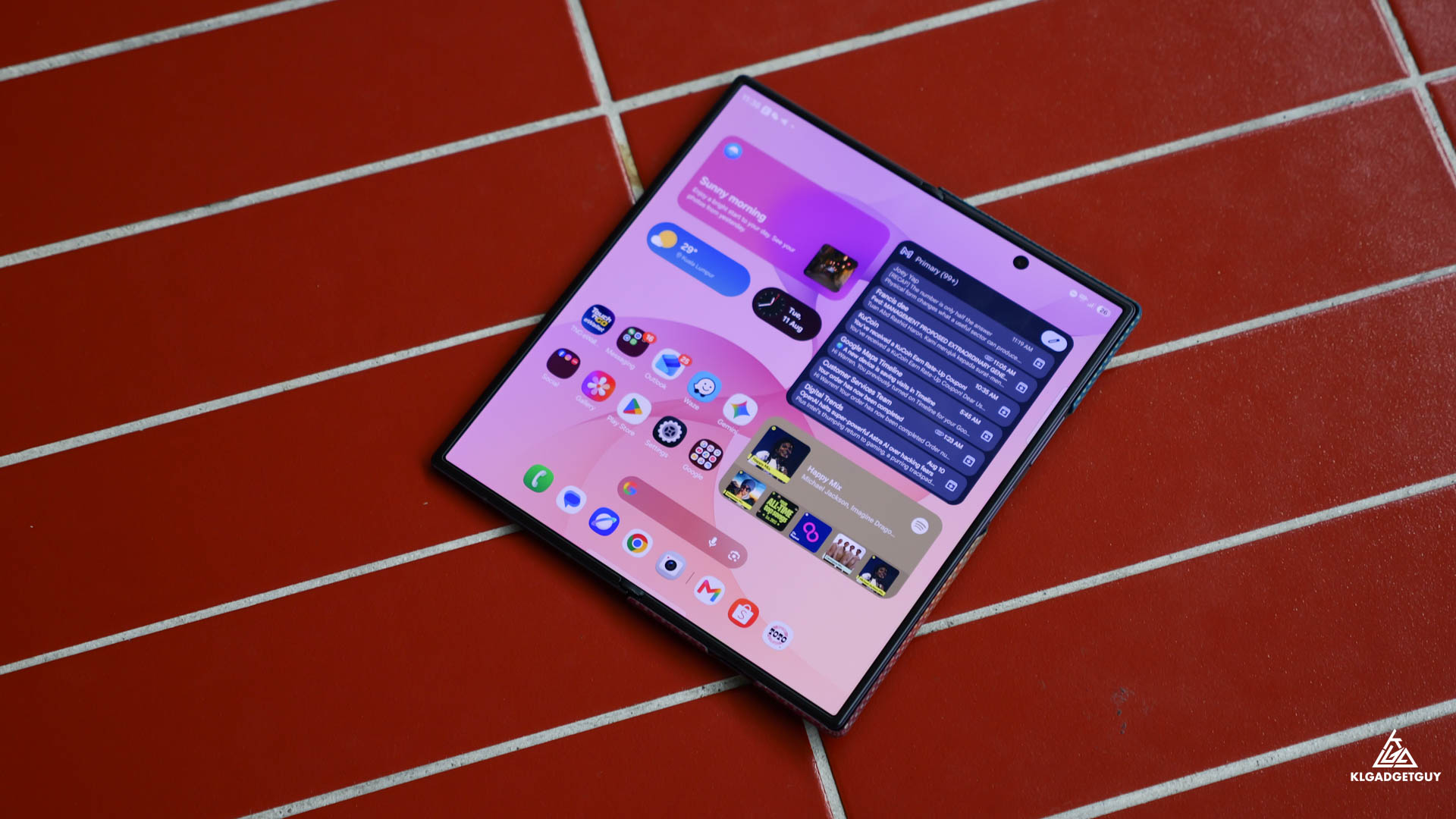
The wide-screen Galaxy Z Fold8 might be the brightest star among Samsung’s Galaxy Z foldables this year, but giving its book-style foldable the Ultra branding this year simply means one thing, this form factor’s success isn’t going to be overshadowed by its short and wider sibling, even though it looks identical to its predecessor, the Galaxy Z Fold8 Ultra has more to offer this year and is the definite choice if you absolutely want the best foldable from Samsung this year, but with memory and component prices causing it to cost significantly more than last year, are the Ultra upgrades worth considering?
Galaxy Z Fold8 Ultra Video Review
The Z Fold8 Ultra continues to lead the industry with a super slim 4.1mm body profile when unfolded and weighs 215g. Although it still retains the same IP48 dust and water resistance rating, Samsung has once again refined the hinge by introducing a Flex Titanium display structure, which you can instantly notice when you start folding the screen as it feels more assured while the crease has gotten significantly less visible as well. The build improvements might be incremental but is still crucial to ensure your device stays strong after years of usage, the improved hinge design still allows you to use the Ultra in Flex Mode, which you can’t do it on the squared non-ultra model and is one of the main reasons you want to own a foldable.
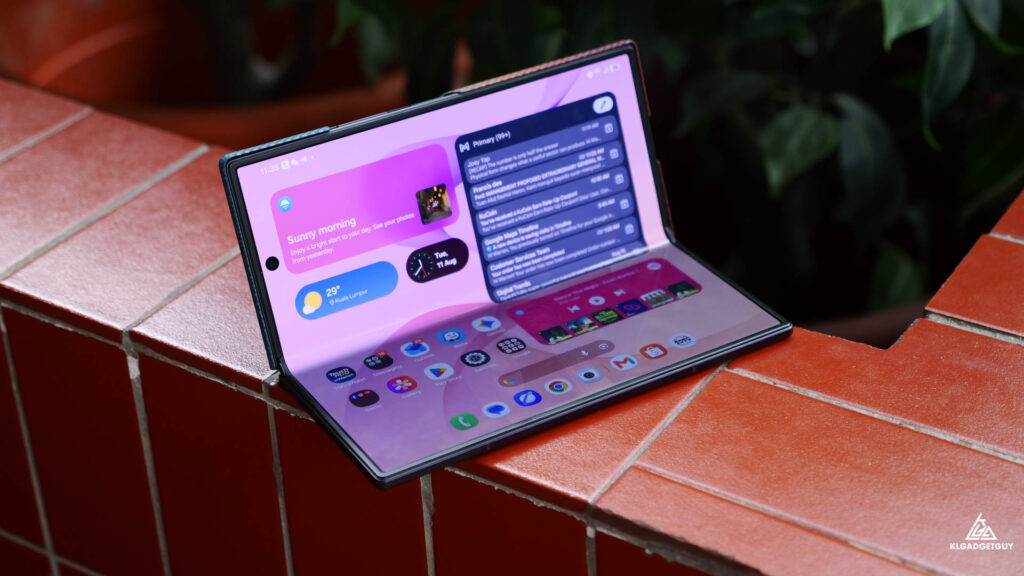
I know many creators including me have been hyping a lot on the Z Fold8’s wide display on how it will improve usability, but in many ways, the Z Fold8 Ultra’s display setup is still more practical in the long term. Starting with the 6.5-inch cover display, the 21:9 aspect ratio is excellent for watching cinematic videos while it allows some form of one handed usability due to its shorter width, the internal 8-inch display still offers more screen estate that allows you to view two proper phone apps side by side and doesn’t feel too cramped if you want to have more apps opened, not to mention most developers have already made their apps and games to fit better on the Ultra’s internal screen aspect ratio.
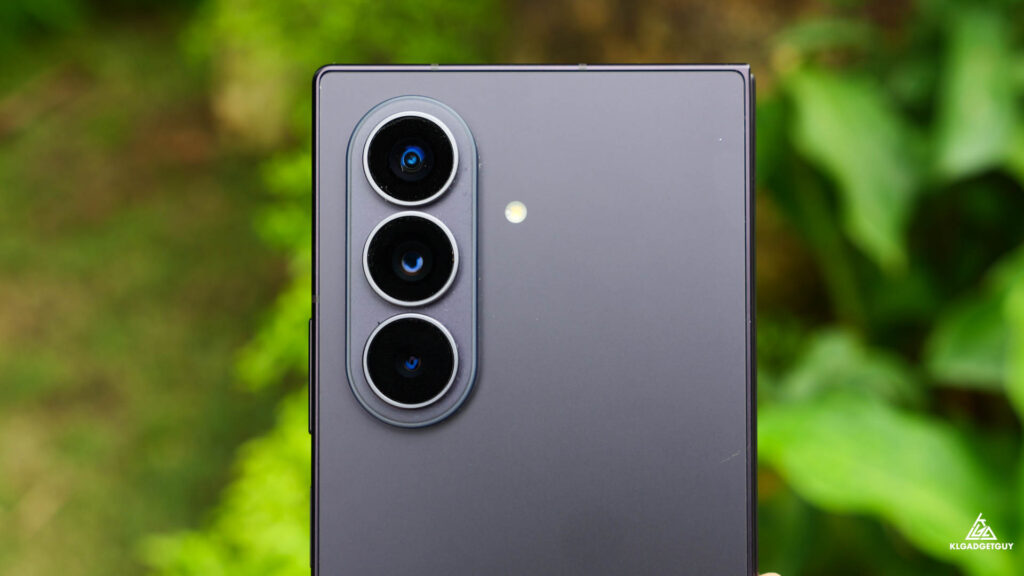
Another thing that makes the Z Fold8 Ultra a more superior device is the triple camera setup, Samsung has brought over the 200MP f/1.7 main camera and 10MP telephoto camera from the Fold7 but has upgraded the ultrawide camera to a new 50MP sensor, which I am a little disappointed as I have hoped for a higher resolution telephoto camera, but having one dedicated camera for close up shots is still better than using a cropped shot from the main sensor.
Galaxy Z Fold8 Ultra Camera Samples

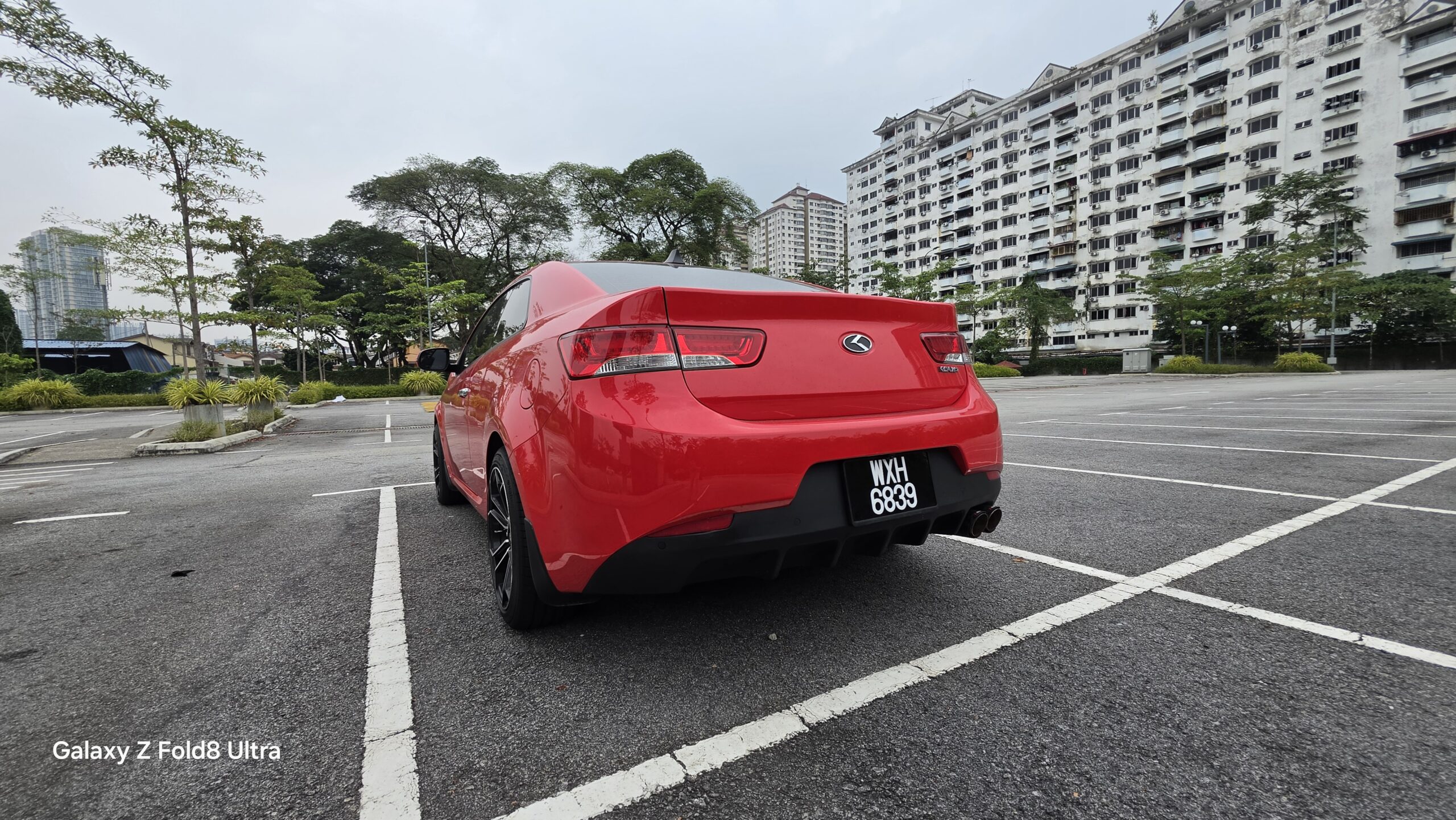
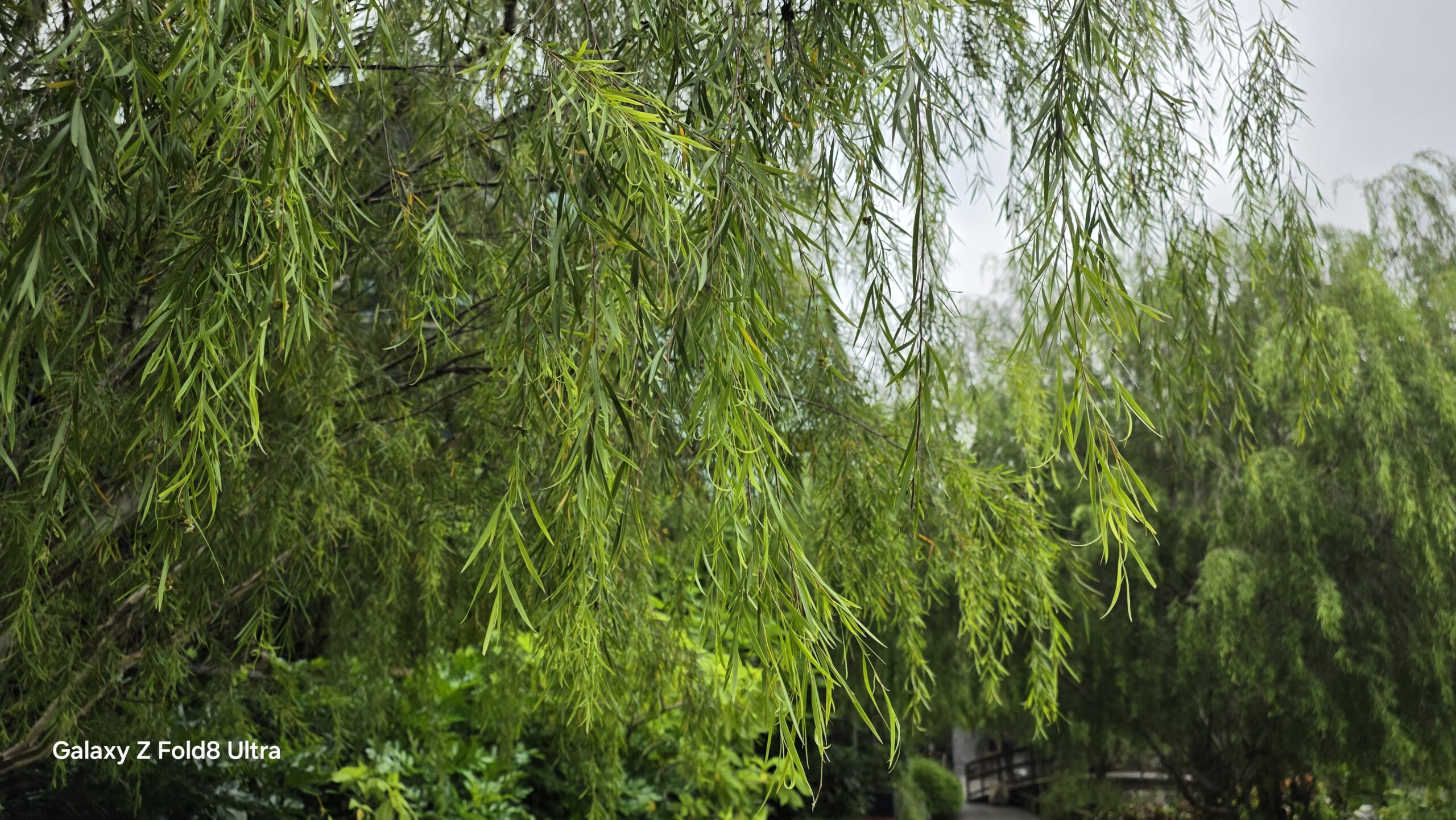
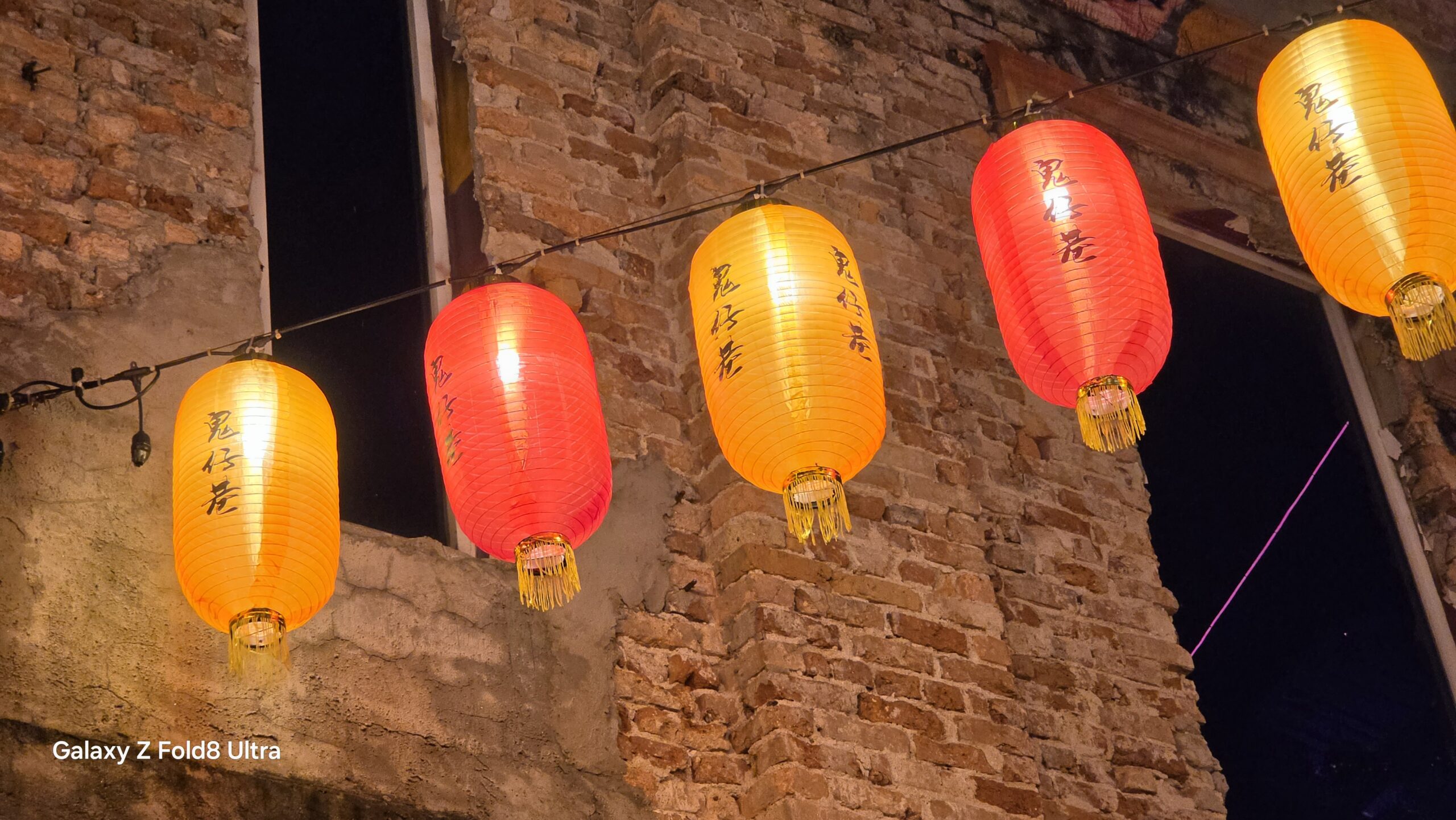
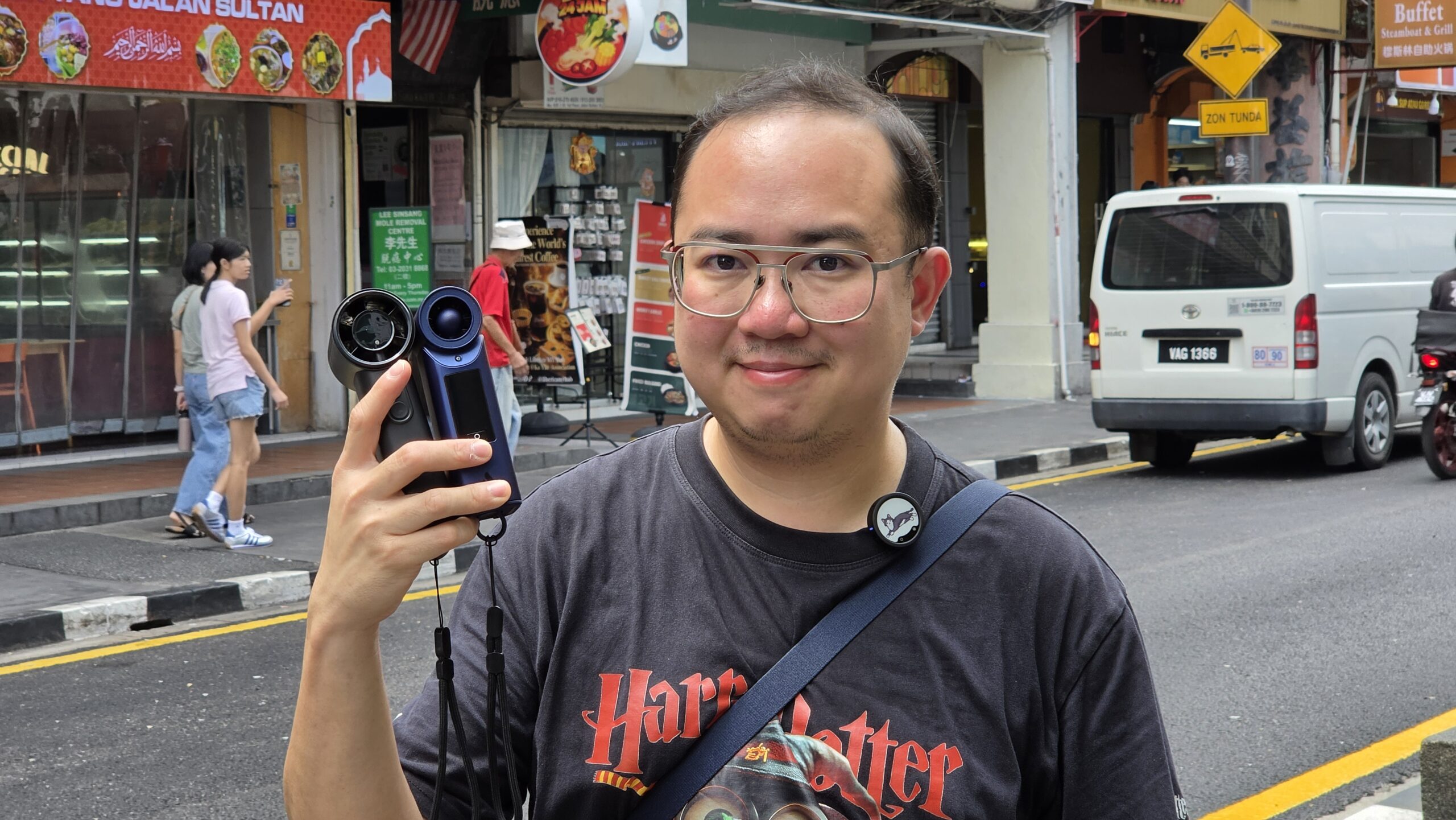
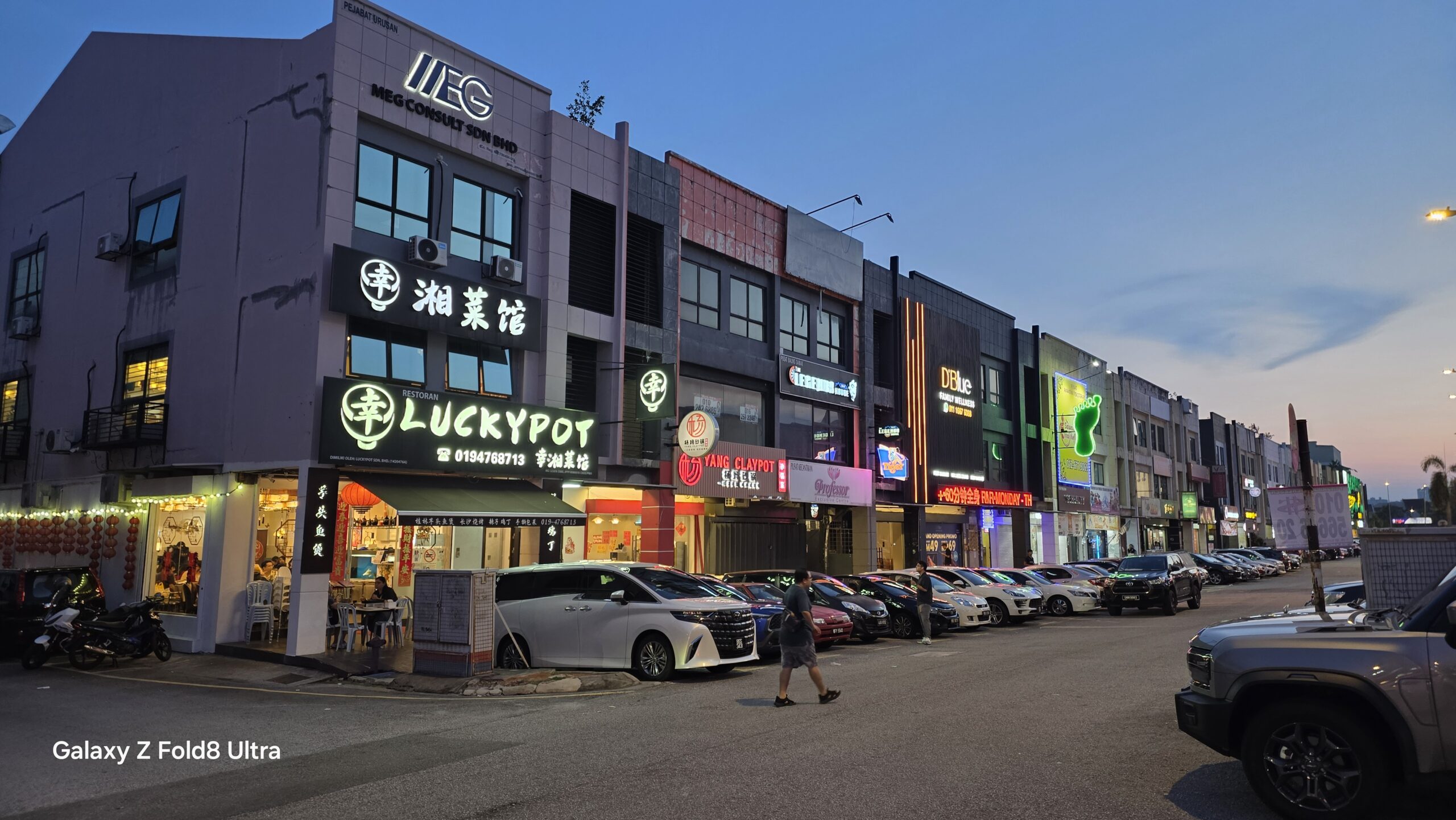
For foldable standards, the Z Fold8 Ultra’s cameras are very usable for content creation and I enjoyed taking photos with them, the upgraded 50MP ultrawide camera is very commendable and takes really good looking low light photos, the 10MP telephoto is still quite up to the job if you don’t go past its native zoom range. What’s also new to the camera experience is the support for Horizon Lock, which offers incredibly stabilized video despite being limited to QHD resolution with 30 or 60 fps, though compared to the Galaxy S26 Ultra, the Z Fold8 Ultra doesn’t support the APV codec which to be honest isn’t really a big deal, I have used the Z Fold8 Ultra for capturing some b-rolls over the review period and while it is reliable most of the time, I do occasionally detect inaccurate white balance which I hope can be fixed in a software update.
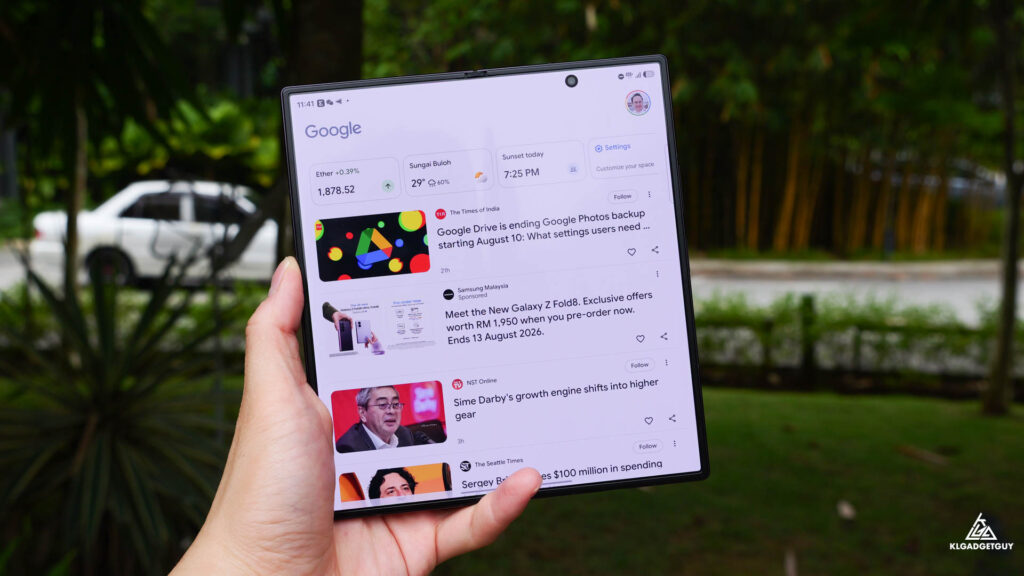
Powering the Z Fold8 Ultra is the Snapdragon 8 Elite Gen 5 for Galaxy SOC, it is the most powerful processor on a foldable due to its higher CPU clock speed than the regular ones. However, what truly makes the Z Fold8 Ultra is Samsung’s relentless efforts on its One UI 9.0 skin, which is based on Android 17 and as usual, you get unrivalled support of up to 7 generations of Android OS updates.
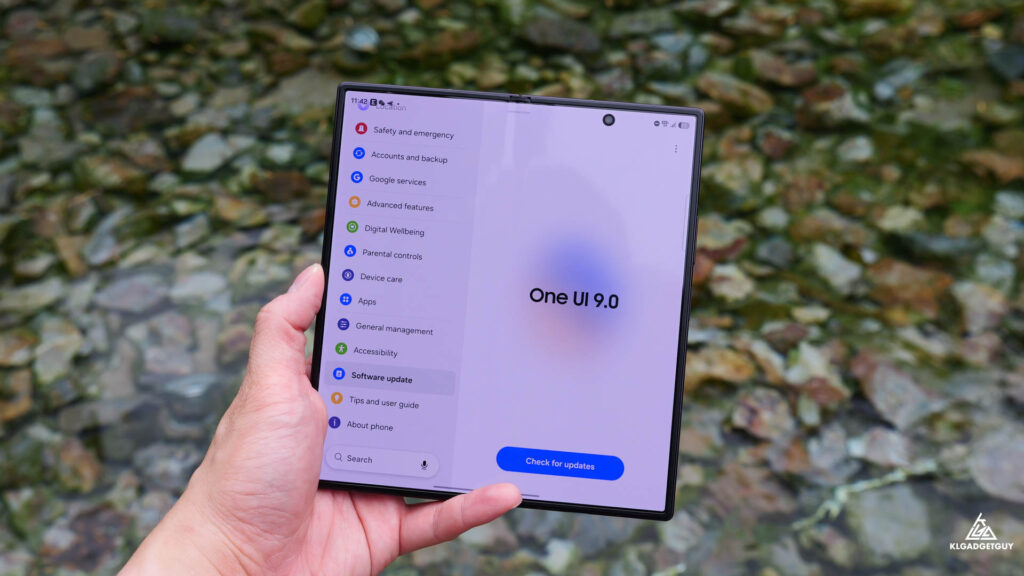
Compared to the previous version, One UI 9.0 is cleaner and more refined, there’s no preloaded partner apps but only Samsung’s first party apps, you also get some new Galaxy AI features such as Call Screening which can help protect you from scam and marketing calls, a new My FanCam feature that intelligently keeps your video subject in the middle of the frame. Samsung has improved the Now Brief, which gives me more useful cards to give me a summary of my day, but when it comes the new Now Nudge feature, which is a clone of Google’s Magic Cue on Pixel phones, I haven’t find any use of it as it only works on Google Messages and Gmail, which I hope can expand to other messaging apps in a future software update.
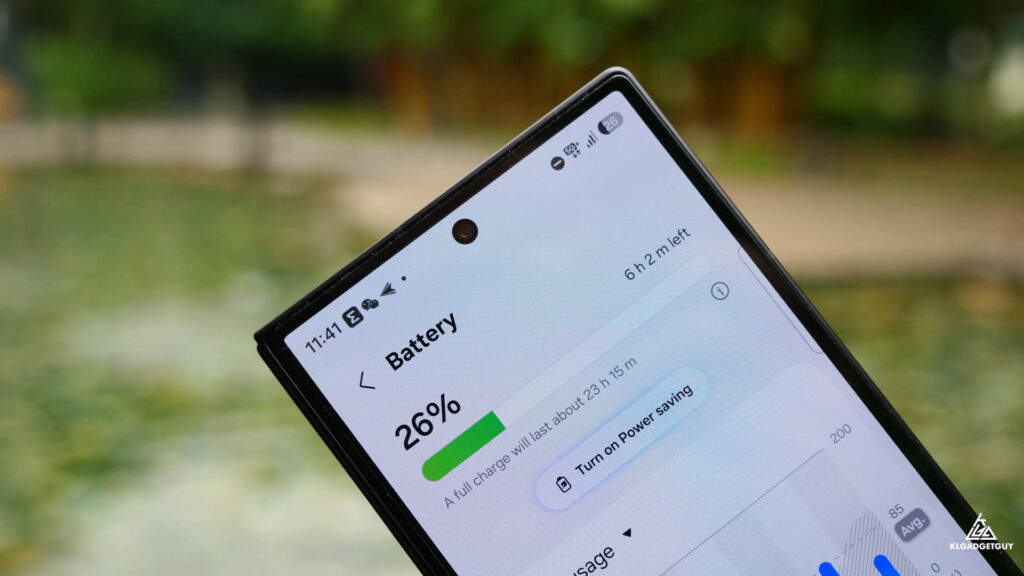
Samsung is finally willing to give the Z Fold 8 Ultra the largest battery that it can afford to, though 5000mAh is relatively small as compared to phones with Silicon Carbon batteries, it delivers significantly better battery life than before which I was able to push it to last more than a day of typical use on a single charge, there’s also faster 45W wired charging and 20W wireless charging, which I can finally not worry when I see the low battery warning, though I really wished Samsung would just give 60W like it did on the S26 Ultra.
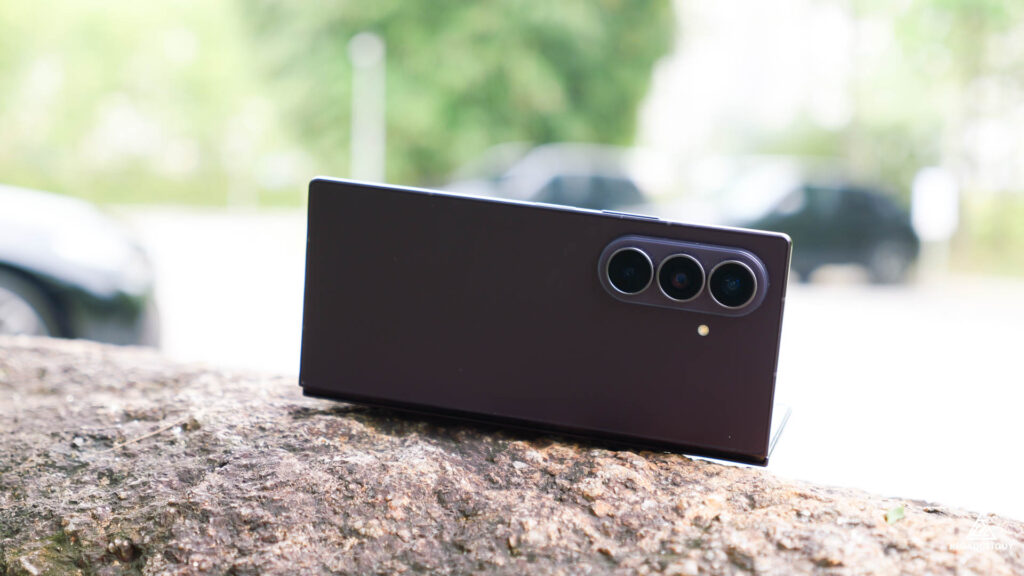
Like every other smartphones this year, the Galaxy Z Fold8 Ultra gets a significant price bump from its predecessor, which now starts at RM8099 for the 256GB model no thanks to rising component and memory costs, though Samsung offered some excellent preorder and trade-in deals that can potentially score you a really attractive discount, and that’s a commendable effort. But at the end of the day, is the Ultra branding and upgrades all worth the hype this round? In short – Yes, the Z Fold8 Ultra is a much refined foldable phone than before and has a software experience that’s more polished than other competing foldables in the market, but on the hardware innovation side of things, Samsung is really just introducing the needed refinements that was already possible years ago and if you are already rocking a Z Fold7 from last year, it is hardly an upgrade but if you are looking to switch from a slab phone and want absolute confidence, the Z Fold8 Ultra certainly delivers that.
Get the Galaxy Z Fold8 Ultra from Shopee.