
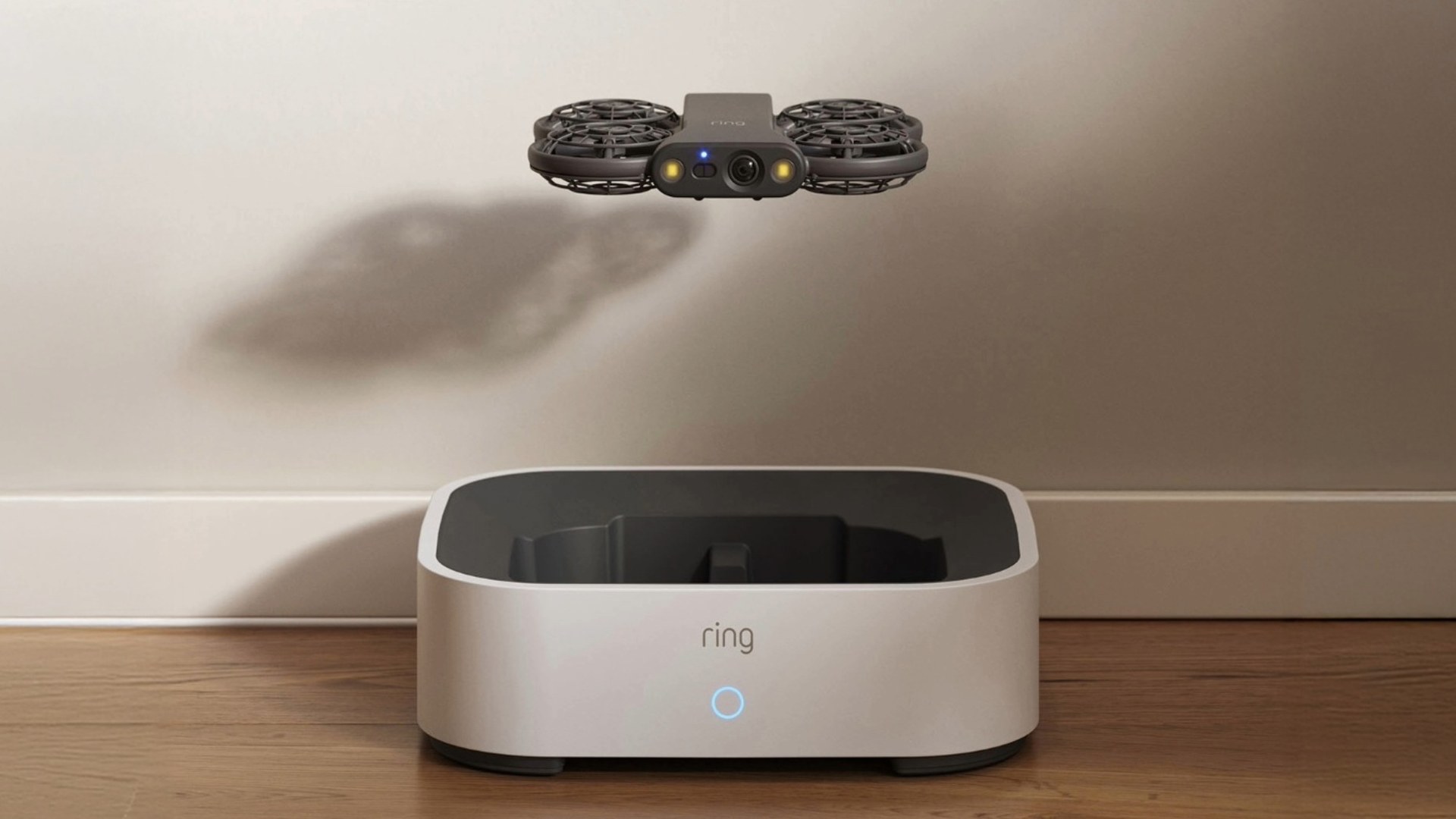
Ring is moving beyond fixed cameras with two security devices that can patrol indoor spaces. Ring Drone Cam flies preset routes around a home, while Ring Rover Cam rolls through business premises on a wheeled base. Both are controlled by a new navigation system called AI Pilot.
Ring announced the pair on 10 November 2026. Rover Cam is scheduled to ship in the US on 16 December for US$999.99, while Drone Cam is planned for 27 January 2027 at US$249.99. A compatible Ring Protect subscription is required. Malaysian availability and pricing have not been announced.
AI Pilot maps the space before it patrols
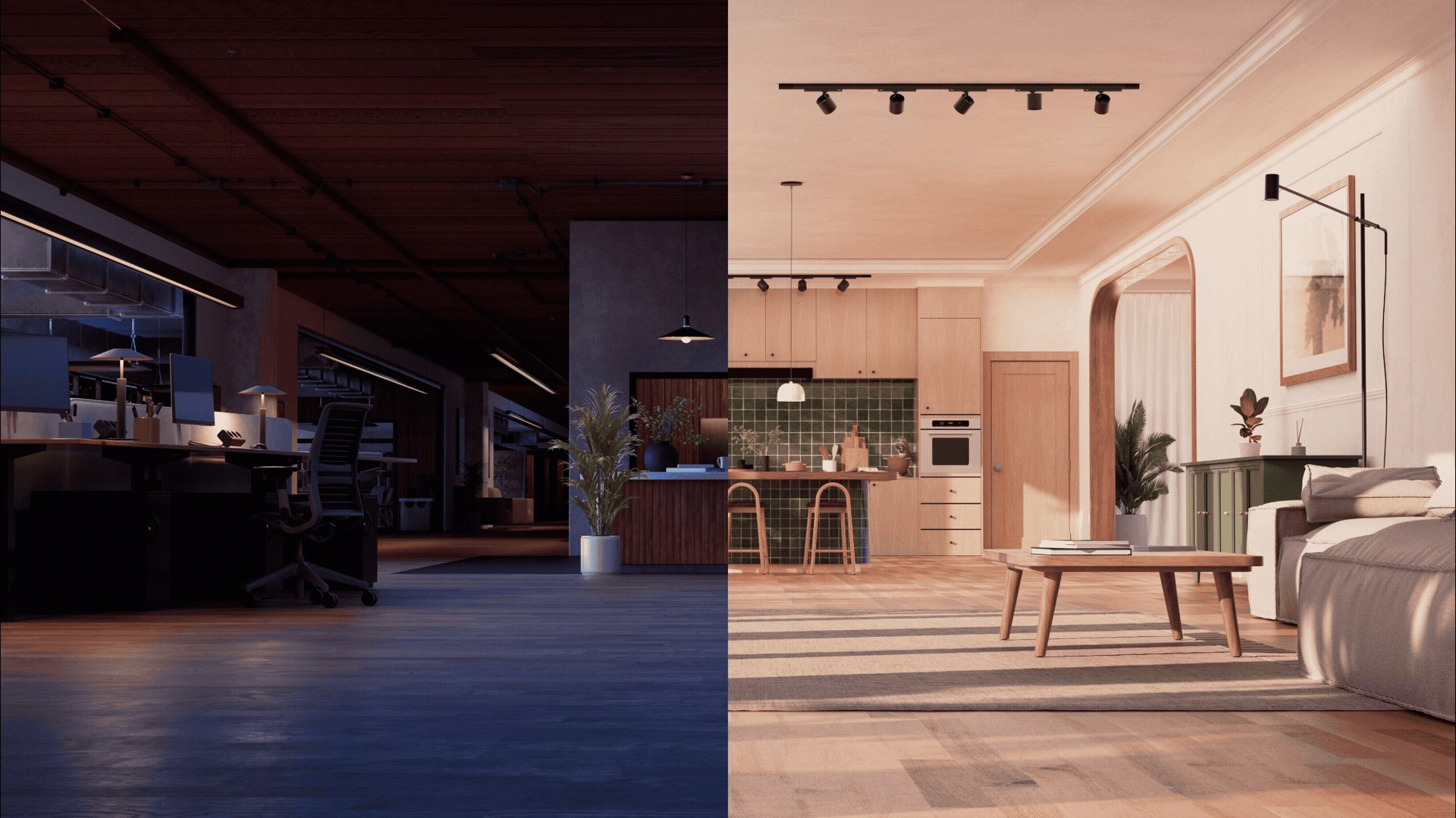
During setup, users carry Drone Cam around the property or let Rover Cam explore. AI Pilot turns the captured view into a floor plan, suggests useful patrol points and allows additional points to be added. The devices can then follow scheduled routes, investigate an alert or be sent to a particular area on demand.
Ring says AI Pilot combines cameras, specialised vision models, on-device sensors and cloud processing to navigate around obstacles. That cloud component is important: it makes internet availability and the vendor’s service part of the security chain. Independent testing will be needed to establish how consistently the robots handle furniture changes, pets, stairs, weak Wi-Fi and unexpected obstructions.
Drone Cam is designed for brief checks rather than continuous flying. It returns to a dock between trips and can cover viewpoints that would otherwise require several fixed indoor cameras. Ring also says its audible propellers make the device deliberately noticeable rather than covert.
Rover Cam is the larger business proposition
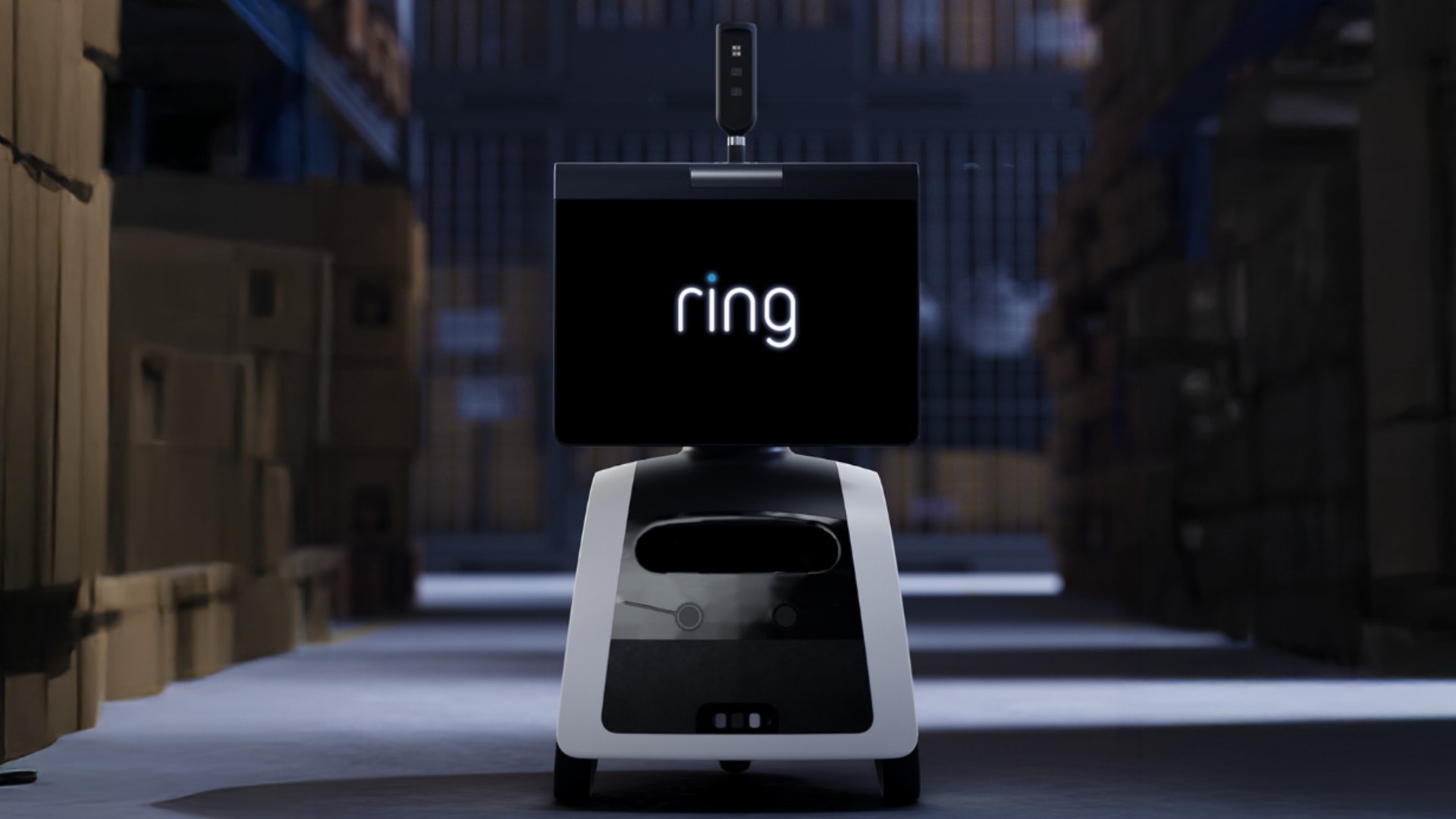
Rover Cam is aimed at shops, warehouses and other business spaces. Its retractable camera mast can provide a higher viewpoint than a floor-level robot, while its light tower, display and siren are intended to make its presence obvious. It can follow routine patrols or move to investigate a disturbance.
The US$999.99 hardware price is only part of the ownership cost because Ring Protect is mandatory. Businesses will also need to consider network coverage, floor transitions, maintenance and whether a mobile camera complements or complicates an existing CCTV system.
Privacy depends on visible states and cloud trust
Ring says Drone Cam powers down on its dock with the camera off and records only when a flight is triggered. Rover Cam has a Sleep Mode that retracts its periscope and switches off the microphone. Both use visible recording indicators, while the new Throw Away the Key encryption system is described as Ring’s strongest default protection so far.
Those safeguards are useful, but a roaming camera inside a home or workplace raises questions that a fixed camera does not. Household members, staff and visitors need to understand where it travels, when it records and who can view footage. Buyers should also review retention settings and subscription terms instead of relying only on a physical LED.
Drone Cam is still subject to US regulatory clearance; Ring states that it has not yet received the required FCC authorisation and cannot be offered for sale or lease until that happens. For Malaysia, there is no confirmed launch, service plan or support arrangement, so local readers should treat the US dates and prices strictly as overseas information.