
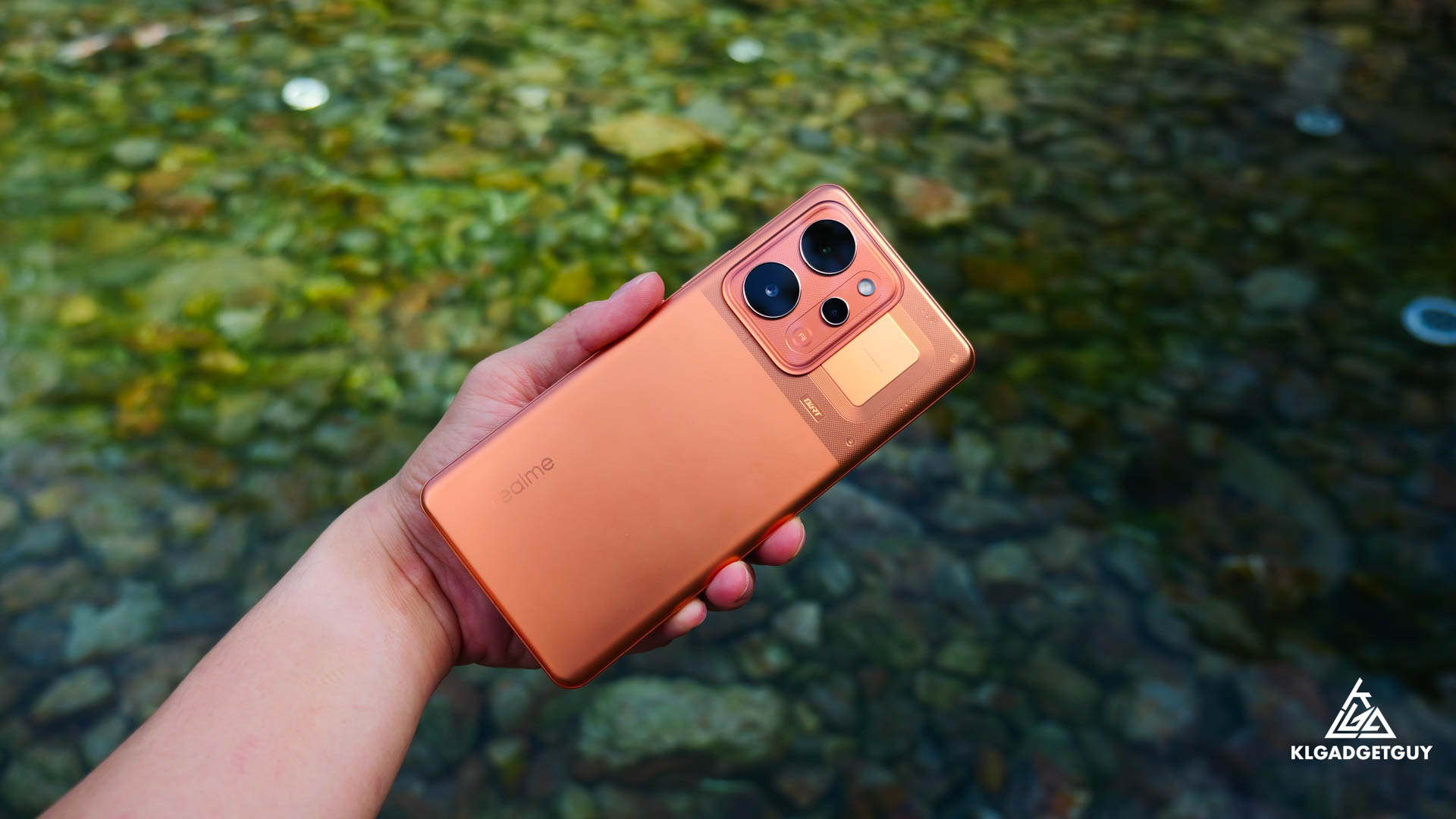
A 10,000mAh battery used to mean carrying a power bank. In 2026, that capacity is starting to appear inside actual smartphones, and the interesting part is not simply the bigger number — it is how manufacturers are fitting so much energy into devices that still look and feel like normal phones.
The recently launched REDMI Note 17 Pro Max is one example, with a 10,000mAh battery offered in selected markets. Other manufacturers have also pushed well beyond the 5,000mAh capacity that became the smartphone standard for years. The technology making much of this possible is silicon-carbon battery chemistry.
What is a silicon-carbon battery?
Traditional lithium-ion smartphone batteries typically use graphite in the anode. Silicon can store considerably more lithium ions than graphite, which means adding silicon to the anode can increase the amount of energy stored without increasing the physical size of the battery by the same proportion.
That higher energy density is why a modern phone can carry a 7,000mAh, 8,000mAh or even 10,000mAh battery without automatically becoming twice as thick as an older 5,000mAh model.
Why didn’t manufacturers do this earlier?
Silicon comes with its own engineering problem: it expands significantly as it absorbs lithium during charging. Repeated expansion and contraction can damage the battery and reduce its useful lifespan.
Modern silicon-carbon designs use different material structures and increasingly sophisticated battery-management systems to control that behaviour. Manufacturers are also making longevity claims based on hundreds or even more than a thousand charging cycles, which is important because a huge battery is not useful if it deteriorates quickly.
Bigger batteries change how we use phones
The most obvious benefit is endurance. A genuine two-day phone means users can travel, shoot photos, navigate and use mobile data without constantly thinking about the nearest charger.
There is another benefit that is easy to overlook: you may charge less often. If a phone only needs charging every second day instead of every night, it accumulates full charging cycles more slowly.
Capacity isn’t everything
A large battery does not automatically guarantee great battery life. Display efficiency, processor power consumption, modem behaviour, software optimisation and background apps all matter. Fast charging also introduces additional heat, so manufacturers still need sensible thermal and charging management.
That is why buyers should look beyond the mAh figure and pay attention to real-world endurance, charging speed, battery-cycle claims and the manufacturer’s battery-health features.
Are 10,000mAh phones the new normal?
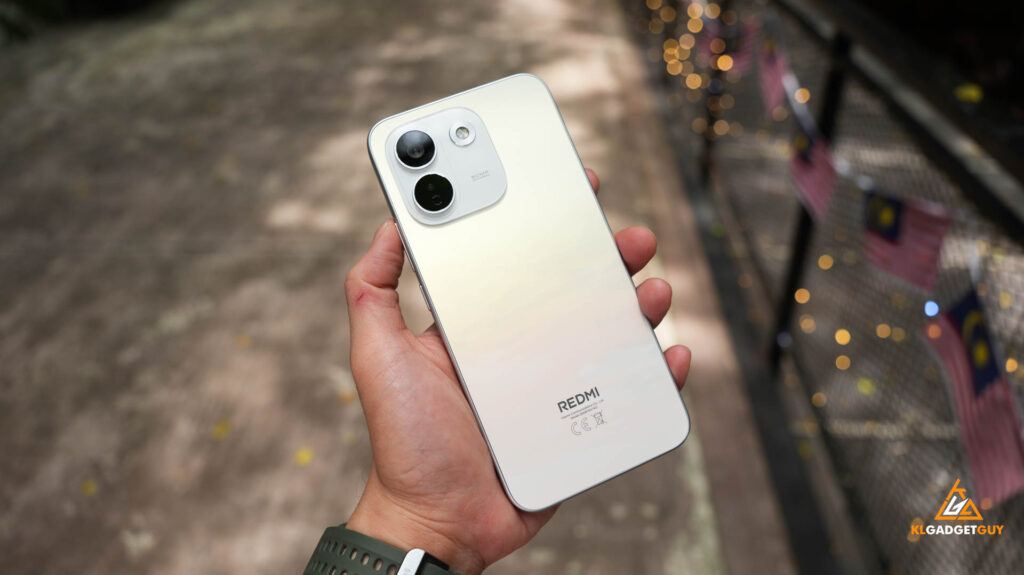
Probably not immediately, particularly for ultra-thin flagship phones where camera hardware and weight compete for internal space. But silicon-carbon batteries have moved the baseline significantly.
For years, around 5,000mAh felt like the practical ceiling for mainstream Android phones. In 2026, that ceiling is disappearing — and battery life could once again become one of the most interesting areas of smartphone competition.