
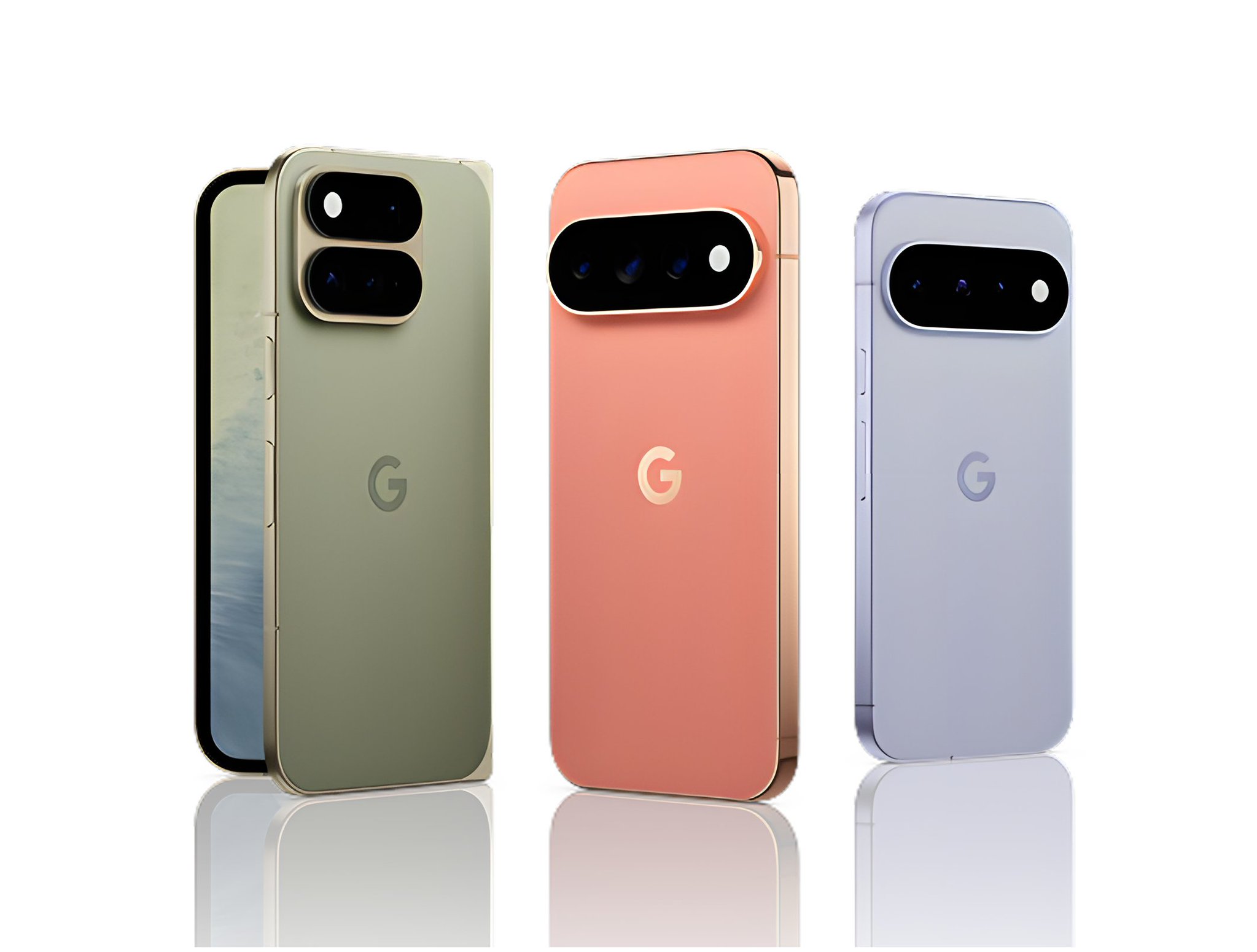
Google has officially launched the Pixel 11 series in Malaysia, bringing its latest generation of flagship smartphones to the local market alongside the new Pixel Watch 5. The lineup consists of the Pixel 11, Pixel 11 Pro, Pixel 11 Pro XL and Pixel 11 Pro Fold, with upgrades centred around the new Tensor G6 processor, improved cameras, deeper Gemini integration and a distinctive new HiLight notification system on the Pro models.
Perhaps equally important for Malaysian buyers, Google has doubled the starting storage across the Pixel 11 lineup to 256GB while keeping the entry price of the regular model at RM3,999. The Pixel 11 Pro starts at RM4,999, while the larger Pixel 11 Pro XL starts at RM5,999 and the Pixel 11 Pro Fold starts at RM7,999.
Tensor G6 Powers the New Pixel Generation
At the heart of the Pixel 11 family is Google’s latest Tensor G6 processor, succeeding the Tensor G5 used in the Pixel 10 series. As with previous Tensor chips, the emphasis goes beyond raw processing performance, with Google using the new silicon to power its latest computational photography and Gemini AI experiences.
Gemini continues to become more deeply integrated into the Pixel experience, allowing Google’s AI to work across supported apps and understand more context about what users are doing on their phones. The Pixel 11 generation also continues Google’s long-term software strategy, making these devices as much about features delivered over time through Pixel Drops as the hardware available at launch.
Visually, Google hasn’t completely reinvented the Pixel. The familiar horizontal camera bar remains, although the Pro models receive one particularly interesting addition that makes the camera area much more functional.
HiLight Is Google’s Modern Take on the Notification LED
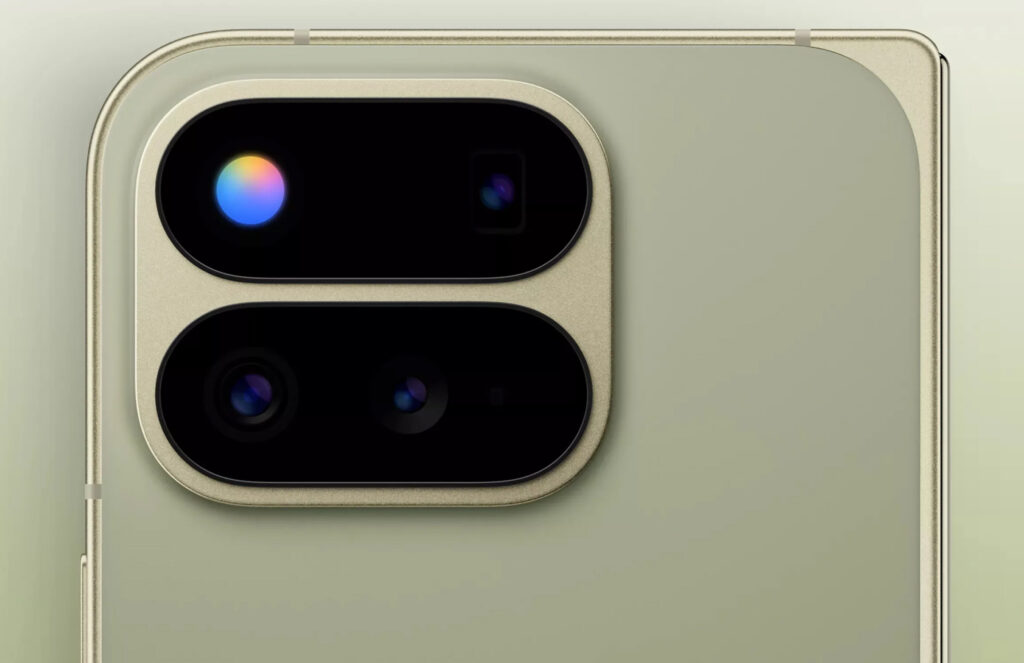
One of the Pixel 11 Pro’s most distinctive new features is HiLight, an RGB light built directly into the rear camera bar.
It essentially brings back the idea of the classic Android notification LED, but in a much more prominent form. Place the phone face down and HiLight can illuminate in different colours to help users identify notifications from selected favourite contacts without having to pick up or turn over the phone.
Google also uses HiLight as a visual indicator for Gemini. At launch, those are its two primary functions, although Google has indicated that more capabilities will be added in the future.
It is a small hardware addition, but potentially one of the most recognisable changes to the Pixel design in years. Instead of requiring users to constantly glance at the display, HiLight turns the back of the phone into another notification surface.
The feature is reserved for the Pixel 11 Pro family rather than the standard Pixel 11.
Pixel 11 Gets a More Versatile Camera System
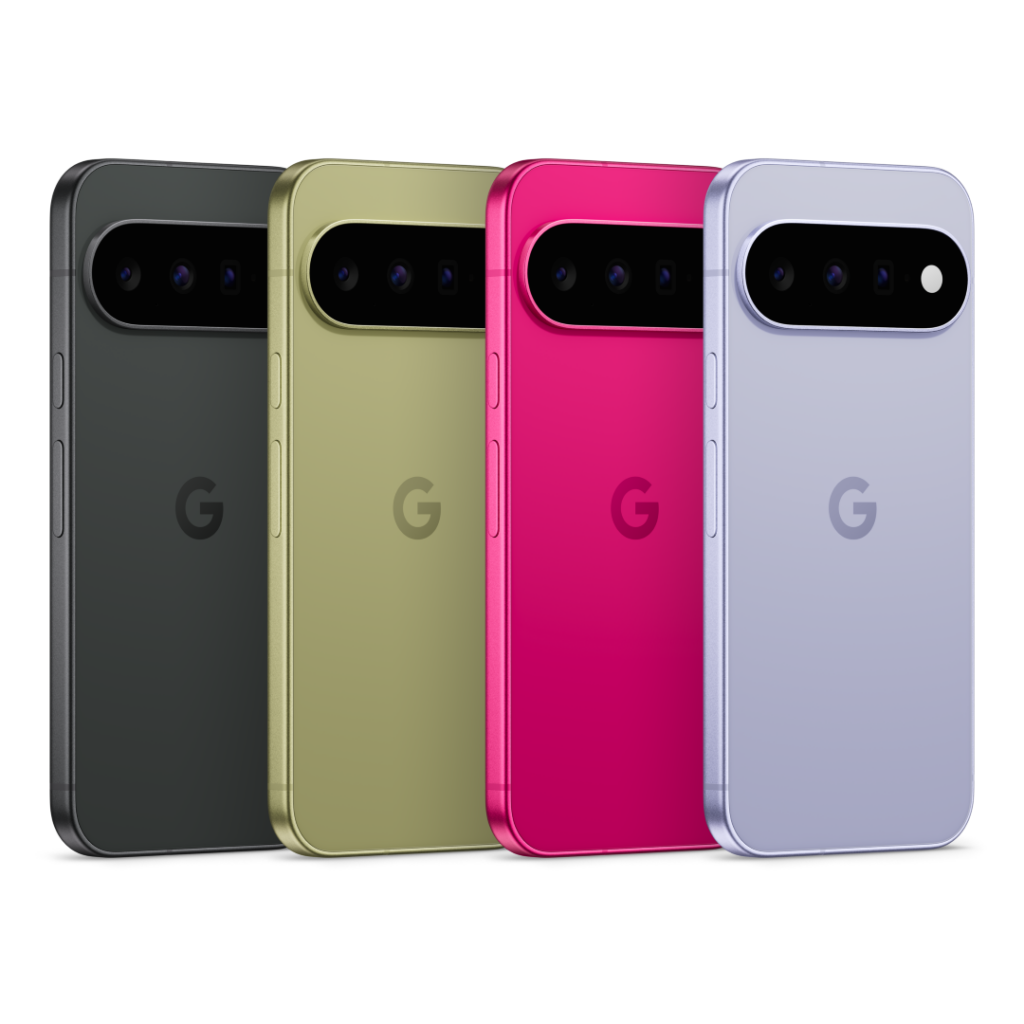
Photography remains one of the biggest reasons to consider a Pixel, and Google has continued to improve the camera experience across the Pixel 11 generation.
The regular Pixel 11 benefits from a triple-camera configuration that gives Google’s entry flagship greater shooting flexibility, particularly when capturing distant subjects. Combined with Tensor G6 and Google’s computational photography pipeline, the emphasis is on getting more usable results without requiring users to manually adjust camera settings.
The Pixel 11 Pro and Pixel 11 Pro XL remain the photography-focused models of the family, with higher-end main, ultra-wide and telephoto cameras alongside Google’s latest computational zoom technology.
The Pro models also benefit from Google’s increasingly AI-driven approach to photography and video. Rather than relying purely on larger sensors or higher megapixel counts, Tensor G6 works alongside Google’s image-processing algorithms to handle challenging lighting, zoom, stabilisation and computational image enhancement.
This makes the camera one of the more meaningful areas of improvement over the Pixel 10 generation, especially for users who frequently shoot portraits, distant subjects or video.
Pixel 11 Pro Fold Brings the Upgrades to a Bigger Screen
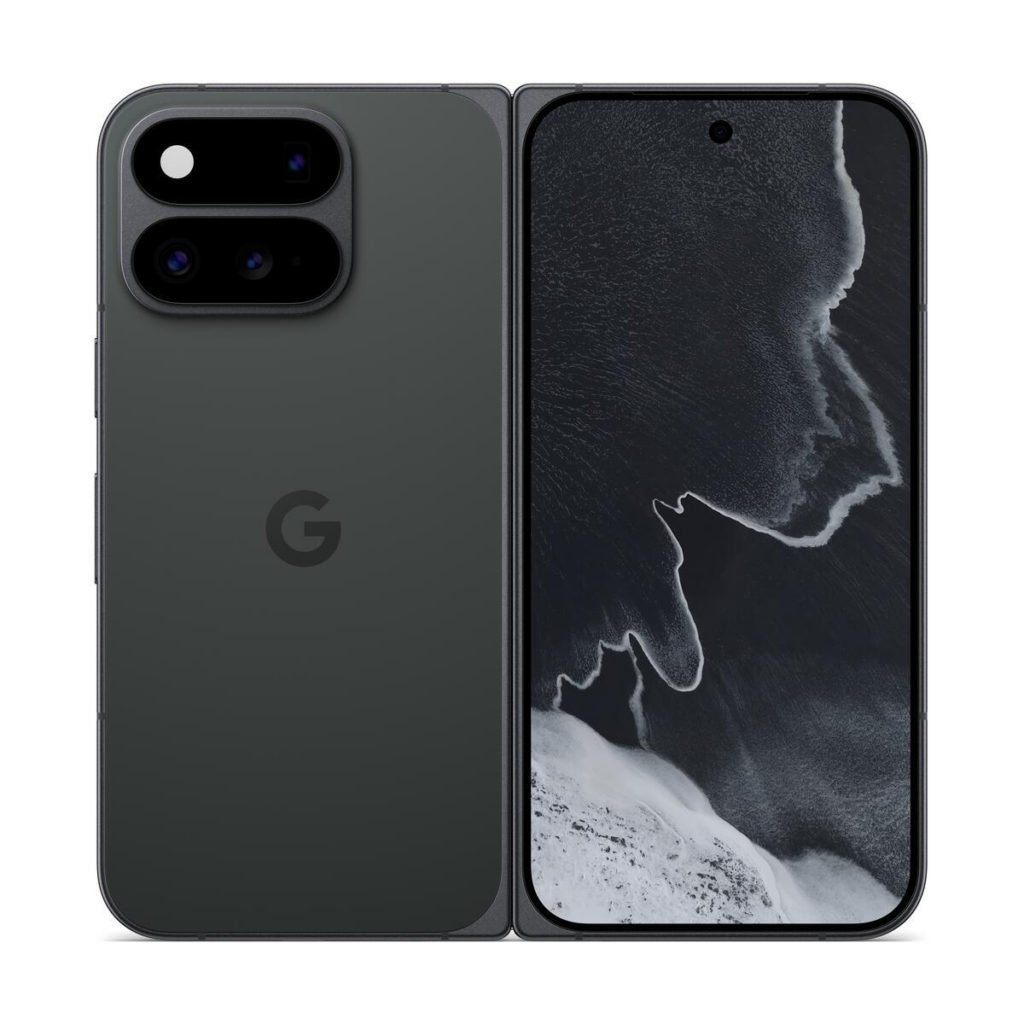
Google’s foldable hasn’t been left behind either. The Pixel 11 Pro Fold receives the new Tensor G6 processor and updated imaging capabilities while retaining the productivity benefits of a large inner folding display.
The Fold remains aimed at users who want the Pixel software experience but need significantly more screen space for multitasking, content consumption and Gemini-powered productivity. Google’s growing emphasis on contextual AI also makes the foldable format particularly interesting, as Gemini can work alongside the larger display and multiple applications.
At RM7,999, however, the Pixel 11 Pro Fold remains firmly positioned as the premium member of Google’s smartphone family.
Pixel Watch 5 Joins the New Pixel Ecosystem
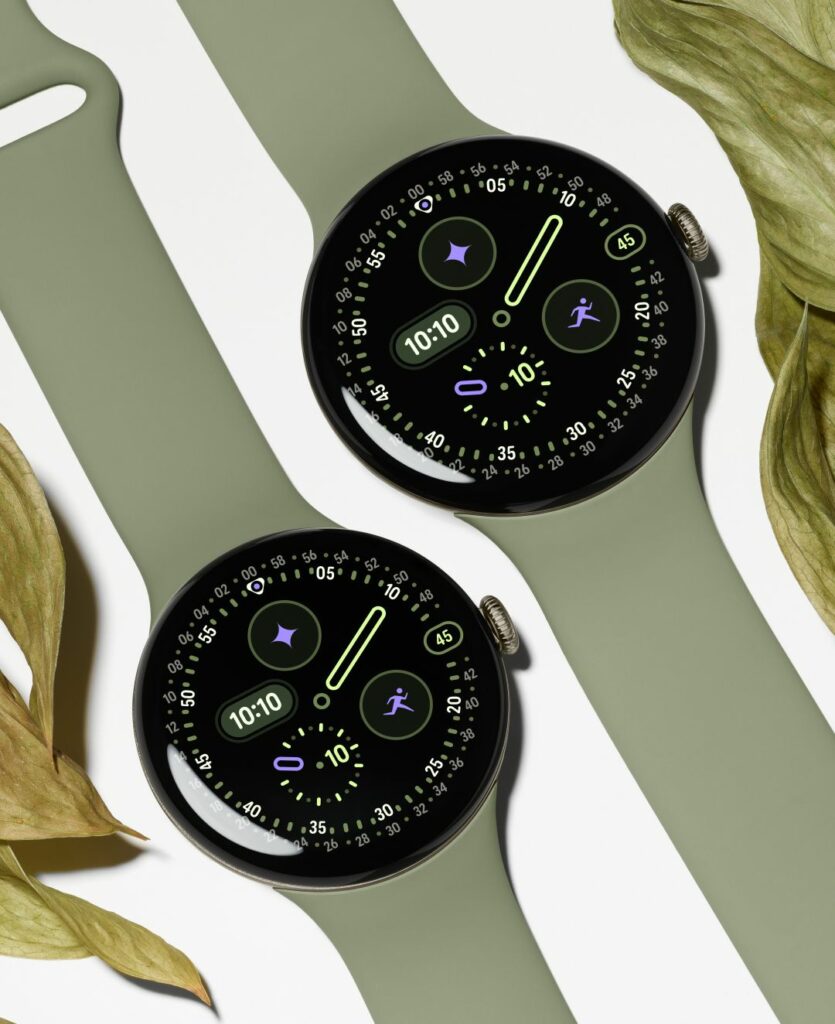
Google has also introduced the Pixel Watch 5 in Malaysia alongside its new smartphones.
The latest generation continues Google’s combination of Wear OS, Fitbit health tracking and Gemini, further positioning the smartwatch as an extension of the Pixel ecosystem rather than simply a fitness tracker.
The Pixel Watch 5 comes in 41mm and 45mm sizes. The smaller model starts at RM1,799, while the 45mm Pixel Watch 5 starts at RM1,999.
For comparison, last year’s Pixel Watch 4 launched locally from RM1,749 for the 41mm model and RM1,999 for the 45mm version, meaning the larger model retains its starting price while the smaller watch sees a modest increase.
Pixel 11 Series Malaysia Price and Availability
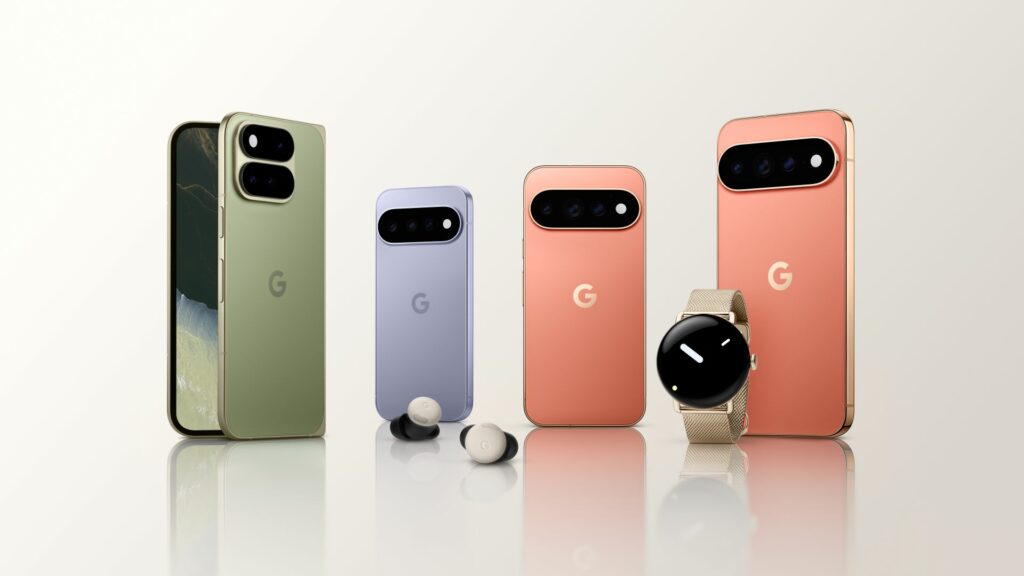
The Google Pixel 11 starts at RM3,999, followed by the Pixel 11 Pro from RM4,999, Pixel 11 Pro XL from RM5,999 and Pixel 11 Pro Fold from RM7,999. All models now start with 256GB of storage, removing the 128GB entry configuration previously offered on some Pixel models.
Pre-orders for Google’s latest Pixel devices begin in Malaysia on August 12, 2026, with availability through Google’s local retail and telco partners.
The combination of Tensor G6, improved cameras and 256GB of base storage already makes the Pixel 11 family a stronger proposition, but HiLight might ultimately be the feature people notice first. It’s a surprisingly simple idea — essentially reinventing the notification LED for the AI smartphone era — but it gives the Pixel 11 Pro models a hardware feature that competing flagships currently don’t offer.