

Malaysians hoping to buy an iPhone Duo without a pre-order should not plan on joining a launch-day queue at Apple The Exchange TRX. Apple’s Malaysian online store is currently presenting the foldable iPhone as an online-only purchase, with delivery or store pickup offered after an order is placed.
The iPhone Duo goes on sale in Malaysia on Friday, 23 October 2026.
Online ordering does not mean immediate stock
Apple still lets customers choose pickup at an Apple Store, but that is different from turning up and buying an unreserved unit. At this time of writing, new orders on Apple Malaysia were showing estimated delivery dates from 22 January 2027.
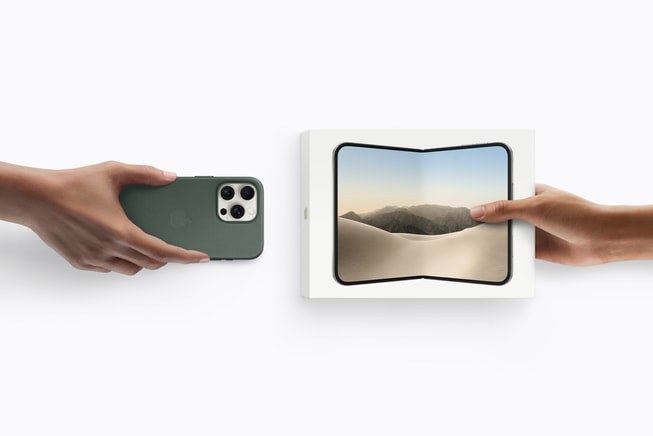
Delivery estimates can change as orders are cancelled or Apple reallocates stock, so buyers should treat the January date as a live estimate rather than a fixed promise. Apple has not disclosed the size of its Malaysian allocation or confirmed when normal walk-in sales will begin.
The phone is priced at RM9,499 for 256GB, RM10,499 for 512GB, RM12,499 for 1TB and RM15,499 for 2TB. It comes in Star White and Night Sky. Malaysia is part of Apple’s first availability wave alongside more than 70 countries and regions.
Why demand is difficult to read
The first batch across Apple Authorised Resellers and local telcos was reportedly snapped up soon after pre-orders opened. That shows strong early demand, but it does not reveal overall sales because Apple has not published shipment numbers and supply may simply be limited for its first foldable iPhone.
The iPhone Duo uses a 5.4-inch outer display and opens to a 7.6-inch inner display. It is powered by the A20 Pro and uses a dual-battery design, while Apple claims up to 31 hours of video playback on the inner screen or 44 hours on the outer display. Those are Apple’s controlled-test figures, not independent battery results.
The practical advice is straightforward: check Apple Malaysia’s live online availability before travelling to TRX, and only head to the store if a pickup slot is confirmed. Buyers who missed the first allocation should also compare telco and authorised-reseller stock rather than assuming launch-day queues will produce extra units.