

The global smartphone market suffered a sharp contraction in the third quarter of 2026, with preliminary estimates from Omdia showing shipments down 20% year-on-year. That is a much steeper decline than the 6% fall recorded in the previous quarter, and it happened despite new flagship launches and retailers preparing for year-end demand.
Omdia attributes much of the pressure to persistent memory and storage costs. When key components become more expensive, manufacturers have less room to discount phones or maintain low prices, particularly in entry-level and lower-midrange segments where margins are already thin.
Samsung and Apple took a larger share of a smaller market
Samsung remained first with 23% global share, while Apple followed at 22%. Together, the two companies accounted for 45% of shipments — around eight percentage points more than a year earlier — even though Omdia says Samsung’s own unit shipments still declined.

Omdia links the leaders’ relative resilience to their strong premium ranges and established sales channels. Samsung’s Galaxy Z Fold8 and Flip8 family supported its high-end positioning, while demand for Apple’s iPhone 17 range and the newer iPhone 18 Pro models helped Apple weather the downturn.
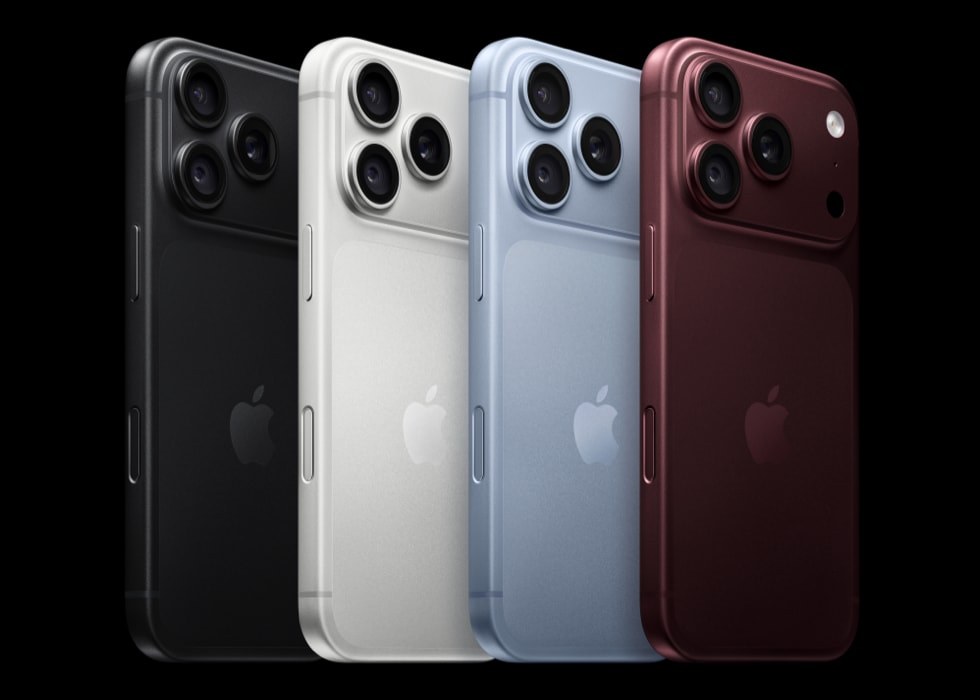
Xiaomi retained third place with 12%. OPPO, including realme and OnePlus, held 9%, while vivo completed the top five at 8%. The figures are preliminary shipment estimates, not retail sales data, and should not be read as a direct measure of demand in any single country.
Why this matters to Malaysian phone buyers
Malaysia is a price-sensitive and promotion-heavy market, so component inflation can show up in several ways: higher launch prices, less base storage, fewer aggressive discounts or a stronger push toward financing and trade-in programmes. Omdia expects brands to become more selective about affordable models and to prioritise average selling prices and profitability.
That does not mean every phone in Malaysia will immediately become more expensive. Exchange rates, distributor inventory, operator subsidies and brand strategy all influence local pricing. However, the report suggests that the familiar formula of adding storage and specifications while holding the same price will be harder to sustain if memory costs remain elevated.
Omdia also says AI has not yet become a major smartphone purchase driver. That is a useful reality check as brands increasingly market AI features: buyers may still place more weight on battery life, cameras, durability, storage and price than on assistants that vary by language and region.
A difficult final quarter ahead
The research firm does not expect festive promotions and new flagship launches to fully offset supply-side pressure in the fourth quarter. It argues that financing, trade-ins, disciplined inventory and stronger premium products will be important for brands trying to keep upgrades accessible without relying on blanket discounts.
For consumers, the practical response is simple: compare the complete package rather than headline specifications alone, and factor storage capacity, software support, warranty and trade-in value into the real cost of an upgrade.