
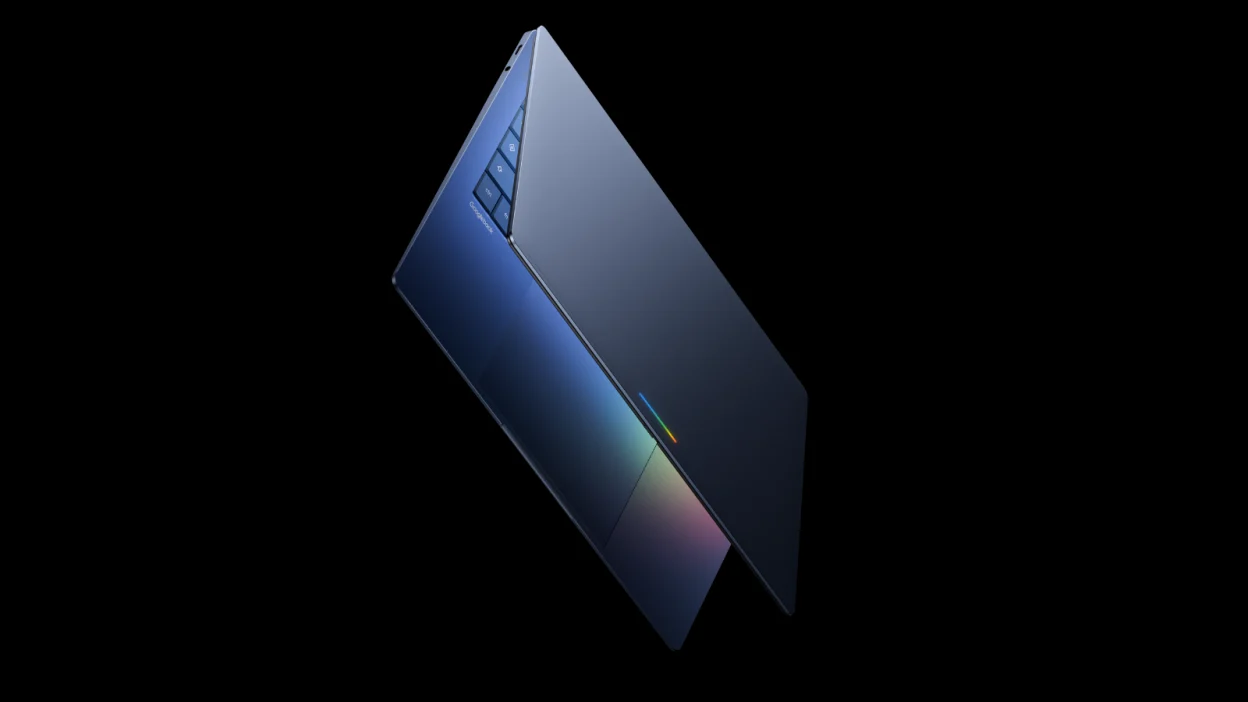
Google has officially teased what could be its next big move in the laptop space, introducing a new category of devices known as “Googlebook” during the Android Show ahead of Google I/O 2026. While details remain limited for now, the company appears to be preparing a future beyond traditional Chromebooks with a more premium, AI-centric laptop experience powered by a brand-new Android-based operating system.
Internally codenamed “Aluminium OS”, the platform is expected to replace the web-first approach of ChromeOS with something far more capable and modern. Google clarified that “Aluminium” is merely a development codename and not the final branding, but the software itself represents one of the company’s most significant changes to desktop computing in years.
Unlike Chromebooks that rely heavily on browser-based workflows, Googlebooks are expected to run a full Android-powered desktop environment capable of handling native Android apps alongside Chrome integration. More importantly, Gemini AI appears to sit at the center of the entire experience, signalling Google’s intention to build laptops that are deeply integrated with AI from the ground up instead of treating it as a secondary feature.
One of the features previewed by Google is “Magic Pointer”, an AI-powered contextual assistant capable of understanding what users are interacting with on-screen and surfacing relevant actions or suggestions dynamically. Google also teased tighter integration between Android smartphones and Googlebooks, allowing easier file transfers, app continuity, and connected workflows across devices.
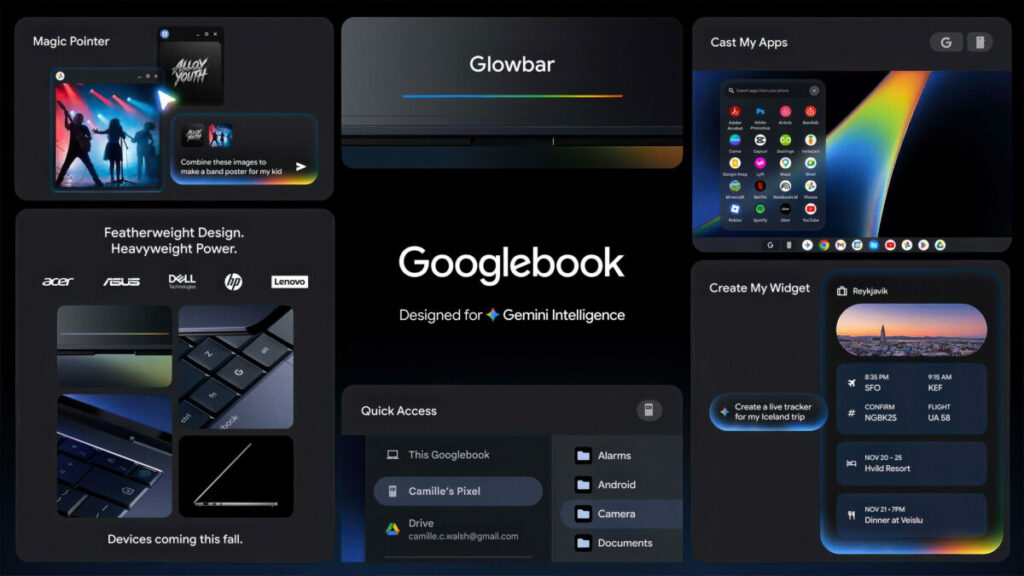
Leaked previews of Aluminium OS reveal an interface that blends Android familiarity with traditional desktop computing elements such as a taskbar, multitasking windows, app drawer, and desktop-style navigation. Reports suggest the platform is based on Android 17, further reinforcing long-standing rumours that Google has been gradually merging Android and ChromeOS into a unified ecosystem.
Google has already confirmed partnerships with major PC manufacturers including Acer, ASUS, Dell, HP, and Lenovo, though specific devices, specifications, and launch timelines remain under wraps for now. Early teaser visuals also hint at more premium laptop hardware, including sleek aluminium chassis designs and a new multicolour “Glowbar” lighting element.
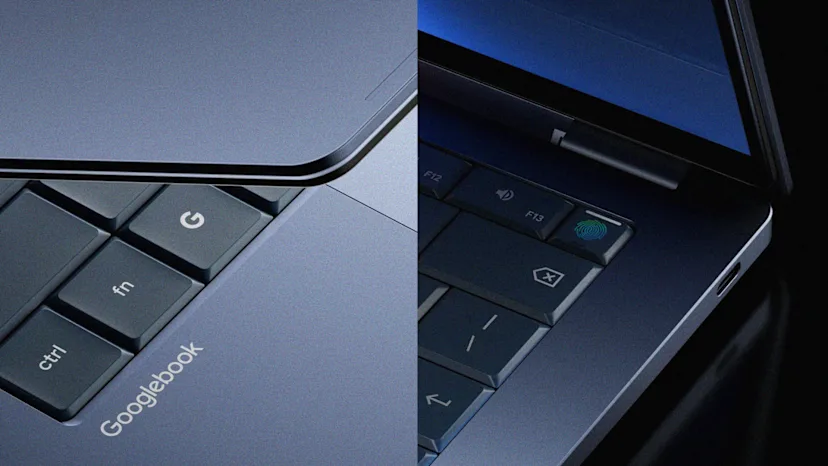
Despite the introduction of Googlebook, Google says Chromebooks are not disappearing anytime soon. Existing ChromeOS devices launched from 2021 onwards will continue receiving software support for up to 10 years. However, the arrival of Googlebook clearly suggests Google wants to move beyond affordable education-focused laptops and compete more directly with premium Windows ultrabooks and Apple’s MacBook lineup.
With AI rapidly becoming the next major battleground in personal computing, Googlebook could potentially become Google’s most ambitious attempt yet at unifying Android, AI, and desktop productivity into a single platform.