

Apple is reportedly tightening its grip on the global smartphone supply chain, as the company aggressively secures LPDDR5 memory supply while keeping iPhone prices steady — a move that could have major implications for rival Android brands, particularly Chinese OEMs.
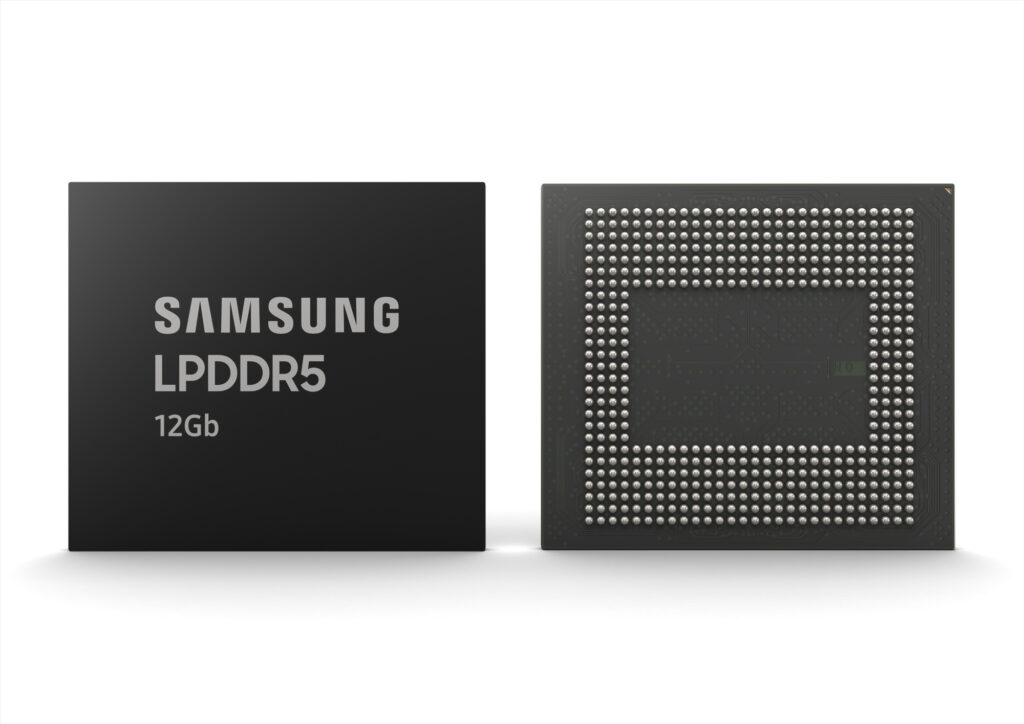
According to recent supply chain reports, Apple has been actively purchasing large volumes of LPDDR5 memory, effectively sweeping up available supply in the market while locking in long-term agreements with key vendors. This comes at a time when global memory prices are rising sharply, driven by increased demand from AI workloads and tightening semiconductor supply. Despite these cost pressures, Apple has managed to maintain stable pricing across its iPhone lineup, positioning itself as one of the few brands able to absorb higher component costs without passing them on to consumers.
The scale of Apple’s procurement is significant, with estimates suggesting that iPhones alone could consume up to 2.4 exabytes of memory this year, highlighting the company’s dominance in securing critical components. This aggressive strategy is now starting to ripple across the industry, particularly affecting Chinese smartphone manufacturers such as Xiaomi and OPPO, which are already facing rising bill-of-material costs.
With flagship component costs reportedly climbing as high as US$917 per device, some Android OEMs are now reconsidering their ultra-premium models. There are growing indications that certain brands may scale back or even cancel their “Ultra” flagship variants altogether, as sustaining high-end devices with aggressive specifications becomes increasingly difficult amid shrinking margins.
This situation is further compounded by memory price hikes that, in some cases, have surged beyond 100%, forcing manufacturers into a tough position of either increasing retail prices or sacrificing profitability. In contrast, Apple’s ability to secure supply early and maintain pricing stability gives it a clear advantage in the premium segment, especially in markets where consumers are becoming more price-sensitive.
The strategy also reflects Apple’s broader strength in supply chain management, allowing it to negotiate better terms and secure priority access to components at scale. As competitors struggle with supply constraints and cost fluctuations, Apple is effectively reinforcing its position not just through product appeal, but through operational efficiency.
Looking ahead, this shift could reshape the flagship smartphone landscape. The traditional race among Android brands to outdo each other with “Ultra” devices packed with top-tier specs may slow down, or become more limited in scope. At the same time, Apple’s approach signals that control over supply chains and pricing consistency is becoming just as critical as innovation in maintaining competitiveness.
While the long-term impact will depend on how memory pricing evolves, Apple’s current strategy clearly demonstrates how leveraging scale and supply chain control can influence the direction of the entire smartphone industry.
Source: Wccftech