
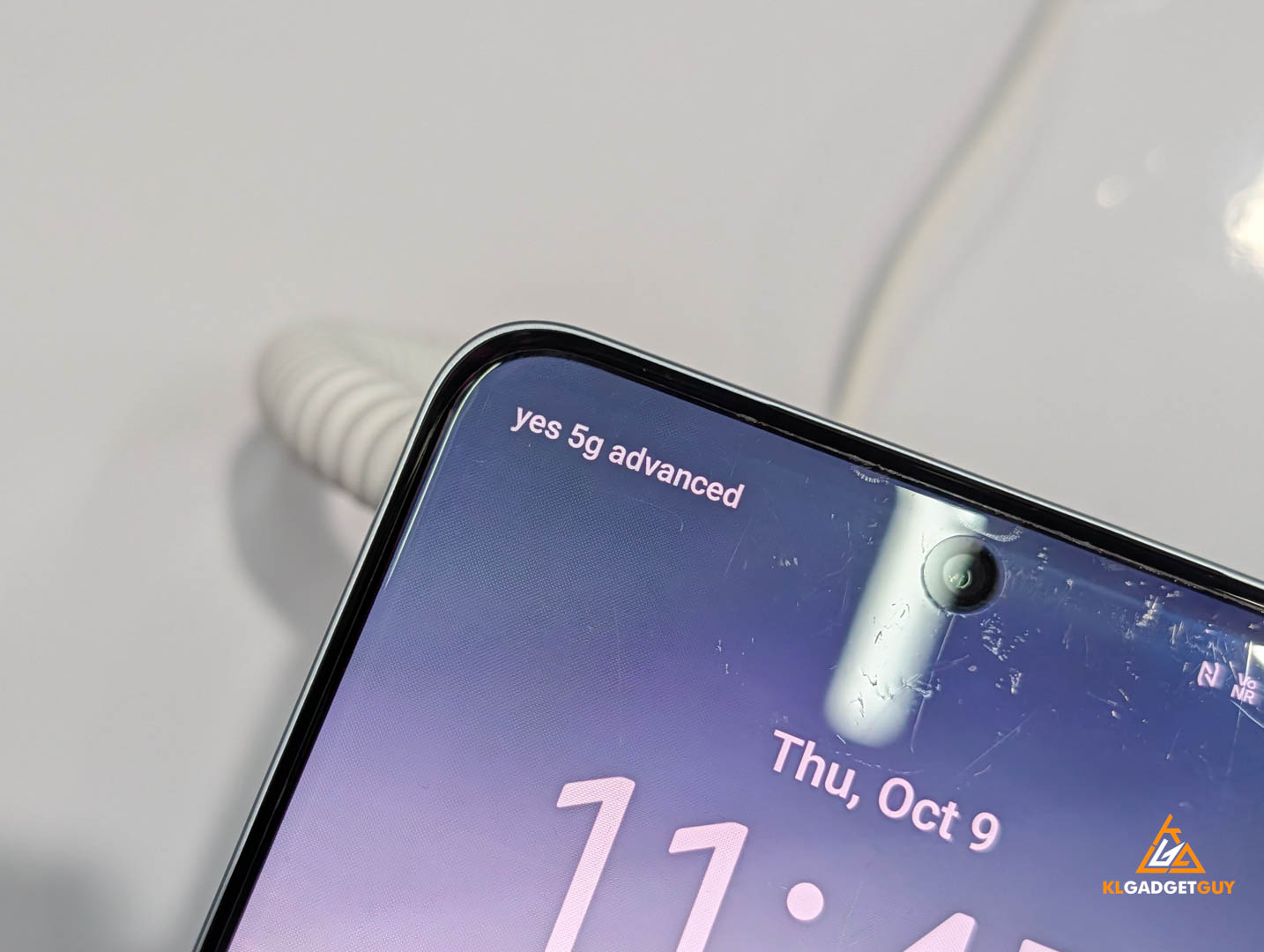
Apple is preparing to bring 5G Standalone (5G SA) support to iPhones in Malaysia with the upcoming iOS 26.4 update, allowing compatible devices to connect directly to next-generation 5G networks without relying on 4G infrastructure.
According to findings from the latest iOS 26.4 beta, the update includes new carrier configurations that enable 5G Standalone connectivity for several Malaysian telcos. Once the update rolls out publicly, supported iPhones will be able to access SA networks automatically through participating carriers.
Support for Selected Malaysian Telcos
Based on early beta configuration data, iOS 26.4 will enable 5G Standalone connectivity for Yes 5G, U Mobile, Maxis.
Meanwhile, other operators such as CelcomDigi are not yet listed in the beta configuration, suggesting that support may arrive later via additional carrier updates.
What 5G Standalone Means
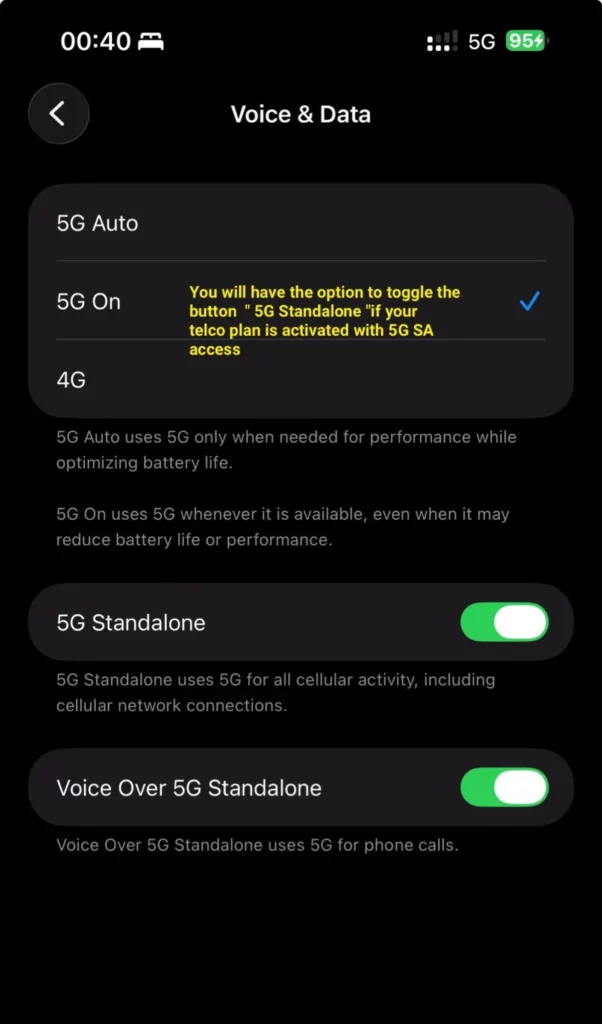
Currently, most smartphones — including iPhones — operate on 5G Non-Standalone (NSA) networks, which still rely on a 4G LTE core network for certain functions. With 5G Standalone, devices connect directly to a full 5G core network, enabling several improvements.
These include lower network latency, faster response times for real-time applications, improved battery efficiency and better support for future 5G technologies such as network slicing and ultra-reliable low-latency communication.
For users in Malaysia, this means iPhones will finally be able to take full advantage of the country’s expanding standalone 5G infrastructure.
When iOS 26.4 Will Arrive
iOS 26.4 is currently in developer beta testing, and the public release is expected to arrive soon. Once available, compatible iPhones will gain access to 5G SA automatically after installing the update and connecting to supported networks.
With Malaysia continuing to expand its 5G ecosystem, the arrival of 5G Standalone support on iPhones marks an important step forward, bringing Apple devices closer to the full capabilities of next-generation mobile connectivity.