
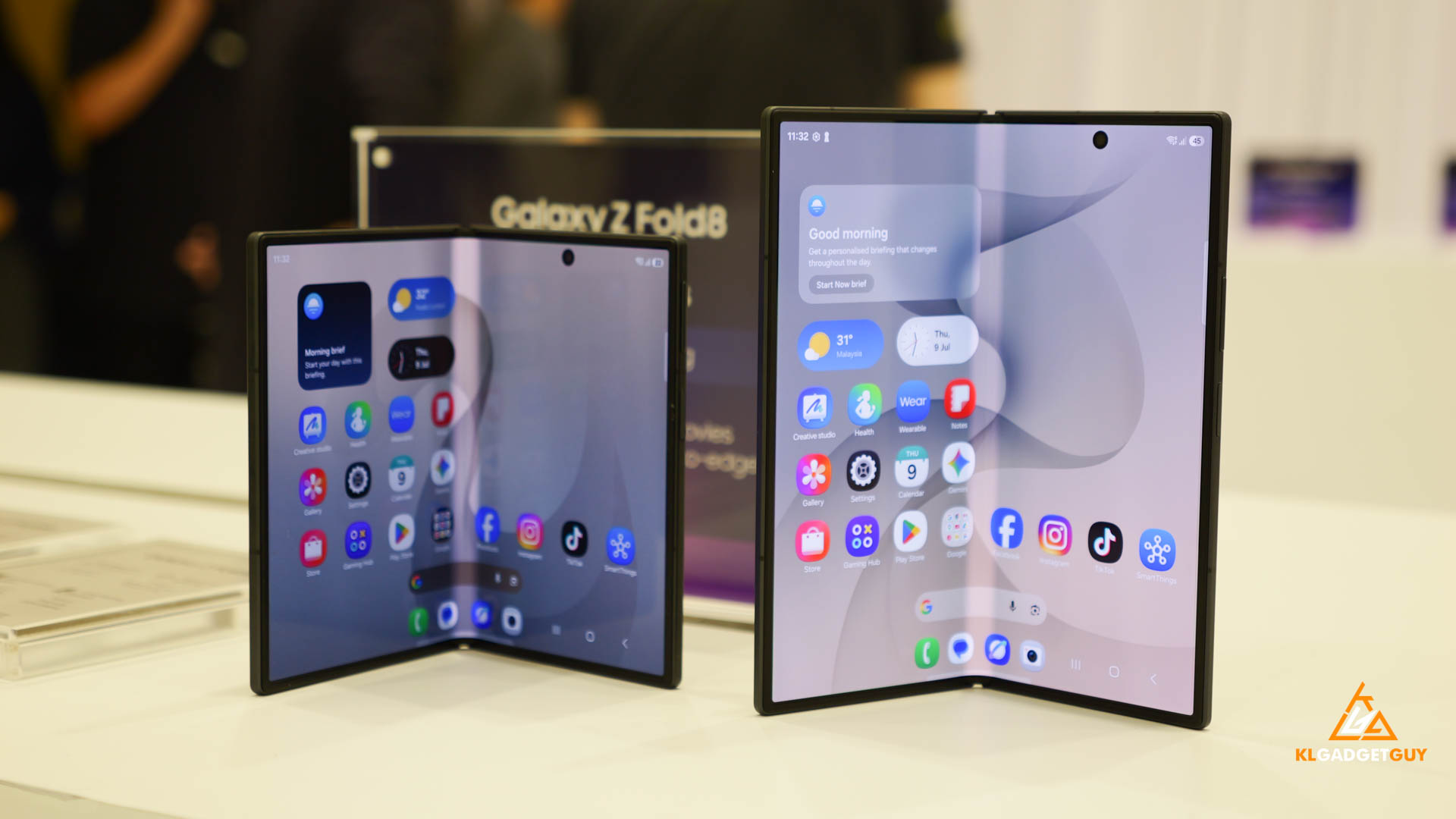
Samsung has taken a different approach to its foldable lineup in 2026. Instead of having a single book-style Galaxy Z Fold, buyers now have two distinctly positioned models: the Galaxy Z Fold8 and Galaxy Z Fold8 Ultra.
At first glance, choosing seems straightforward. The Galaxy Z Fold8 starts at RM7,299, while the Galaxy Z Fold8 Ultra starts at RM8,099 in Malaysia. But spending that extra RM800 doesn’t simply get you a slightly better version of the same phone. Samsung has designed the two Fold8 models around surprisingly different priorities.
The Fold8 is smaller, considerably lighter and designed around entertainment and portability, while the Fold8 Ultra is essentially Samsung’s no-compromise productivity, photography and multitasking foldable.
So, which one should you actually buy?
The biggest difference is actually their size
This is arguably more important than any specification on the sheet.
The Galaxy Z Fold8 Ultra follows the familiar modern Fold formula, offering a 6.5-inch cover display that unfolds into a huge 8-inch Dynamic AMOLED 2X main display. The Fold8 takes an entirely different approach with a smaller 5.5-inch cover screen and 7.6-inch inner display.
Interestingly, Samsung has deliberately changed the proportions of the Fold8. Open it and you get an approximately 4:3 canvas that’s particularly suitable for gaming and video. Rotate it and the resulting 3:4 layout works well for reading websites and e-books.
The Fold8 Ultra is the better option if your primary reason for buying a foldable is having as much screen as possible. Documents, spreadsheets, editing apps and multiple applications simply have more breathing room on an 8-inch display.
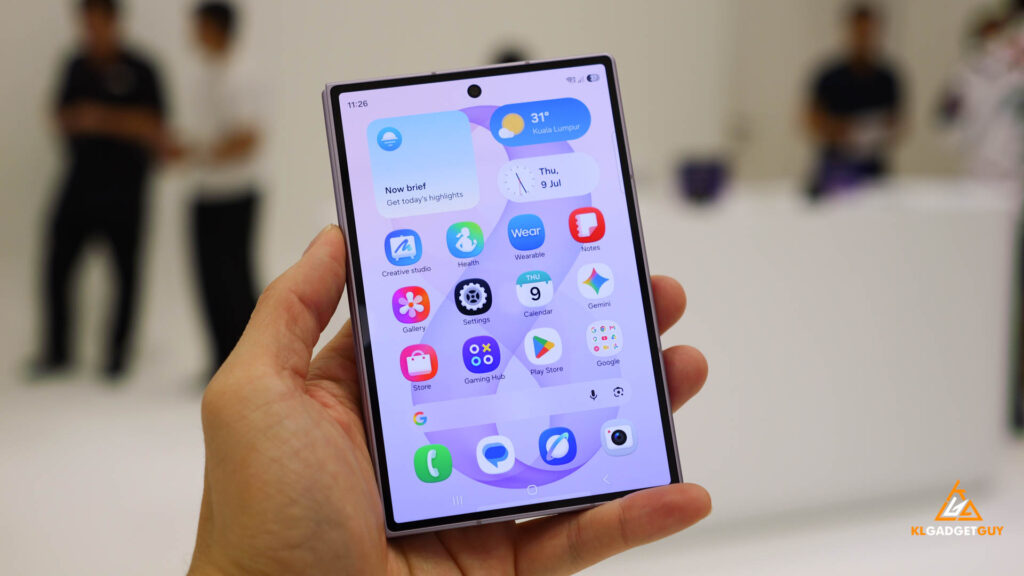
But there’s a huge advantage on the Fold8 that shouldn’t be overlooked: weight.
At only 201g, the Galaxy Z Fold8 is actually lighter than many conventional flagship phones. The Fold8 Ultra weighs 215g. That’s still remarkably light for an 8-inch foldable, but the 14g difference should become noticeable when holding the phone for extended periods.
If portability is your priority, Fold8 wins.
Performance is essentially a tie
Here’s where you shouldn’t choose based purely on the “Ultra” branding.
Both devices are powered by the Snapdragon 8 Elite Gen 5 for Galaxy, Samsung’s customised version of Qualcomm’s flagship chipset. Both are also available with up to 16GB RAM and as much as 1TB storage.
That means everyday performance between them should be very similar.
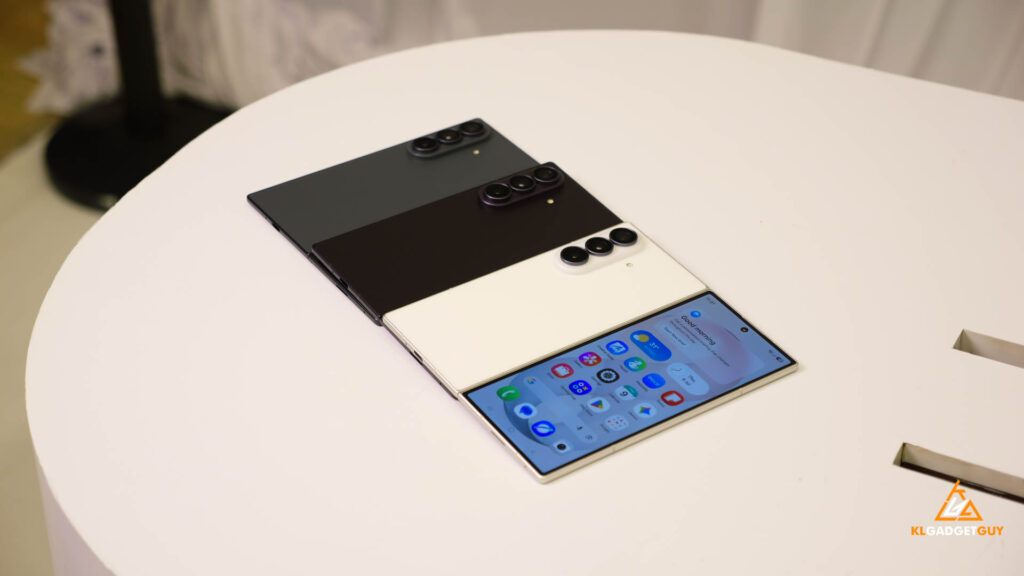
Whether you’re playing demanding games, editing content, running several applications or using Galaxy AI, buying the Ultra shouldn’t suddenly make everything dramatically faster.
The Fold8 is therefore arguably the better value from a pure performance perspective because you’re essentially getting the same flagship platform for RM800 less.
Both also run One UI 9 and support Samsung’s latest Galaxy AI experiences. The Fold8 Ultra places greater emphasis on productivity features such as Now Nudge, which can recognise context and suggest actions that open directly into Multi Window. Samsung also highlights Gemini Notebook for turning documents and recordings into summaries, presentations, podcasts and other content.
But don’t assume AI is exclusive to the Ultra. The Fold8 has its own advanced agentic AI experiences and features such as My FanCam, which can automatically reframe existing videos around a selected subject.
Camera is where the Ultra earns its name
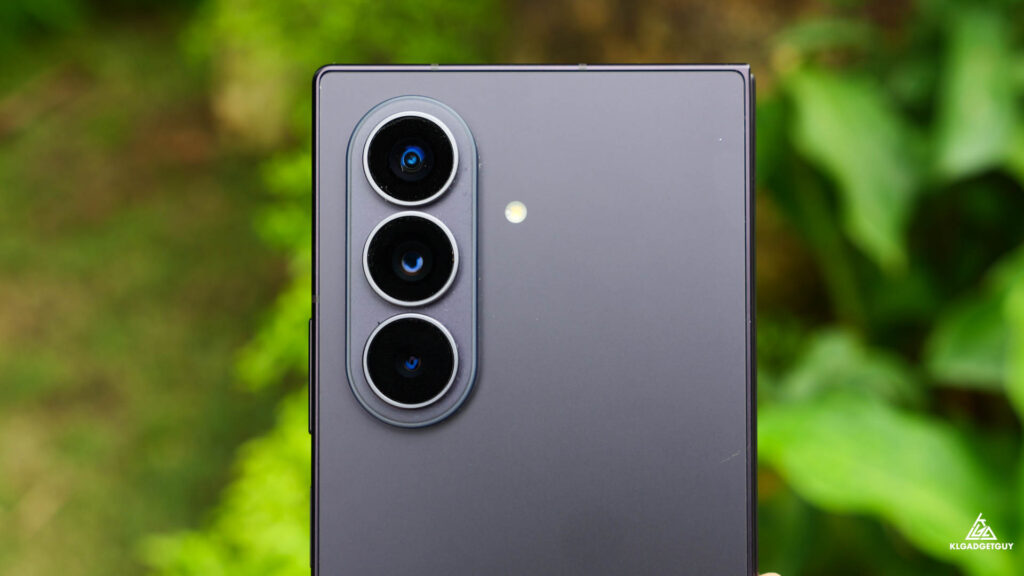
If photography matters to you, the decision becomes much easier.
The Galaxy Z Fold8 Ultra has a proper flagship triple-camera system consisting of a 200MP F1.7 main camera, 50MP F1.9 ultra-wide and 10MP F2.4 telephoto camera offering 3x optical zoom and up to 30x digital zoom. It can also record video at up to 8K30fps.
The regular Fold8 instead uses dual 50MP rear cameras.
Samsung has essentially positioned the Fold8 around everyday photography while giving the Ultra substantially more photographic flexibility, particularly when zooming.
The 200MP sensor also provides much greater resolution for cropping into images. Samsung has enabled HDR when shooting at the full 200MP resolution, while its upgraded 50MP ultra-wide provides macro capabilities as well.
For casual photos, social media and everyday shooting, Fold8 should be more than sufficient. But if you’re spending RM7,000-plus and want your foldable to double as a serious flagship camera, I’d spend the extra RM800 on the Ultra.
Battery difference is smaller than you might expect
The Fold8 Ultra gets a 5,000mAh battery compared with 4,800mAh on the Fold8.
Samsung rates the Ultra for up to 27 hours of video playback, while the Fold8 manages more than 26 hours.
That’s an interesting result because the Ultra has to power a considerably larger screen.
Both support 45W wired charging, so battery capacity shouldn’t be the main reason to choose between them. (samsung.com)
Instead, think of the Ultra’s additional 200mAh as helping compensate for its larger display rather than giving it dramatically longer battery life.
Both are seriously capable multitasking machines
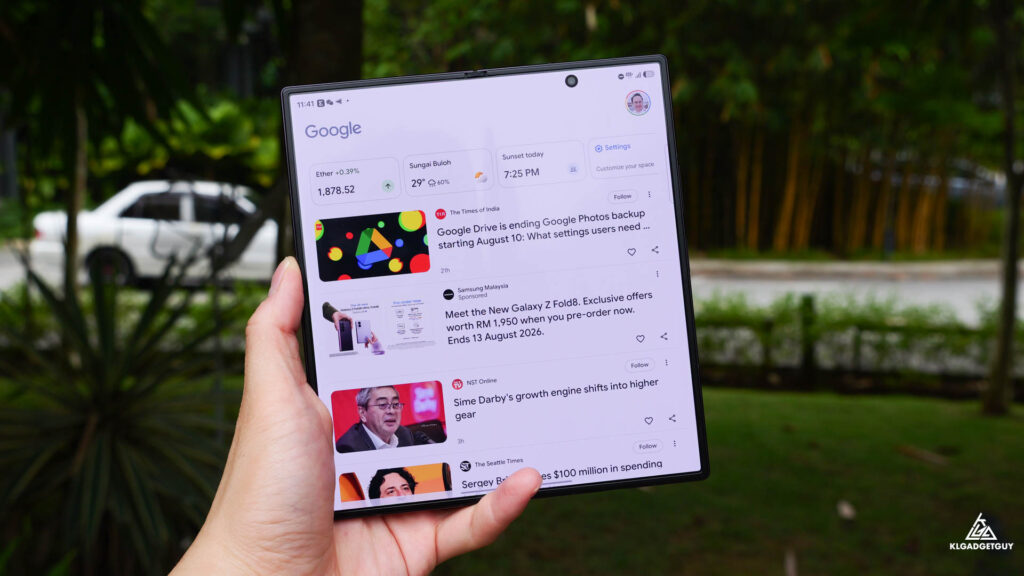
The classic reason for buying a Galaxy Fold remains multitasking.
On the Fold8 Ultra, Samsung’s Multi Window can effectively give you two smartphone-sized applications side by side. The 8-inch screen makes reading something on one side while writing, messaging or researching on the other particularly natural.
The Fold8 can multitask too, but its smaller dimensions make it more of an entertainment-first foldable that can become a productivity machine when required.
Think of it this way: Fold8 is a smartphone that transforms into a small tablet.
Fold8 Ultra feels more like a tablet that folds into a smartphone.
That distinction tells you quite a lot about which one you should buy.
What about durability?
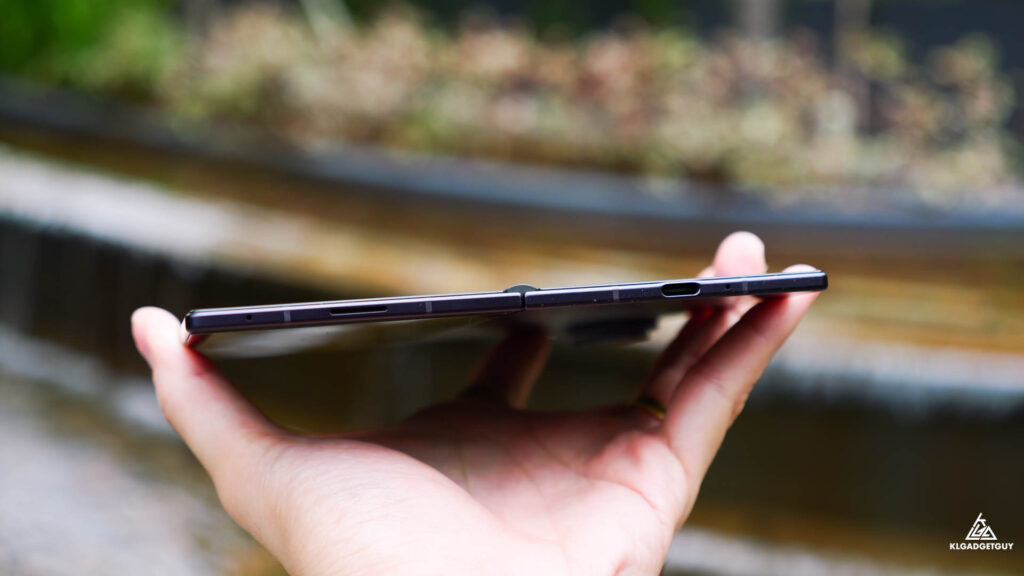
Both represent major advancements in Samsung’s foldable engineering.
The Fold8 introduces Samsung’s Flex Titanium technology, placing titanium within the display structure to increase stiffness while helping reduce the visibility of the crease. It also uses Gorilla Glass Ceramic 3 on the cover display, an Advanced Armor Aluminum frame and carries an IP48 rating.
The Ultra goes even further with two titanium layers beneath its flexible display, an Armor FlexHinge, Armor Aluminum construction, Gorilla Glass Ceramic 3 at the front and Gorilla Glass Victus 2 at the rear. It is also IP48 rated.
One thing existing Fold owners should know, however, is that neither Fold8 supports the S Pen.
That’s potentially important for people who associate the large Fold display with handwritten notes and sketching.
The RM800 question
Here’s where things get interesting.
Malaysian pricing starts at RM7,299 for the 256GB Fold8 and RM8,099 for the 256GB Fold8 Ultra.
Move to 512GB and the Fold8 costs RM8,099 versus RM8,899 for the Ultra. The 1TB versions cost RM9,699 and RM10,499 respectively. In other words, Samsung maintains an RM800 gap across all three storage configurations.
For that RM800, the Ultra gets you a much larger 6.5-inch cover screen, an 8-inch inner display, 200MP main camera, dedicated 3x telephoto camera and slightly larger 5,000mAh battery.
That’s actually a compelling upgrade.
But you’re giving up something that’s harder to quantify: portability.
The Fold8’s 201g weight and smaller footprint make it a very different type of foldable.
So, which Galaxy Z Fold8 should you buy?
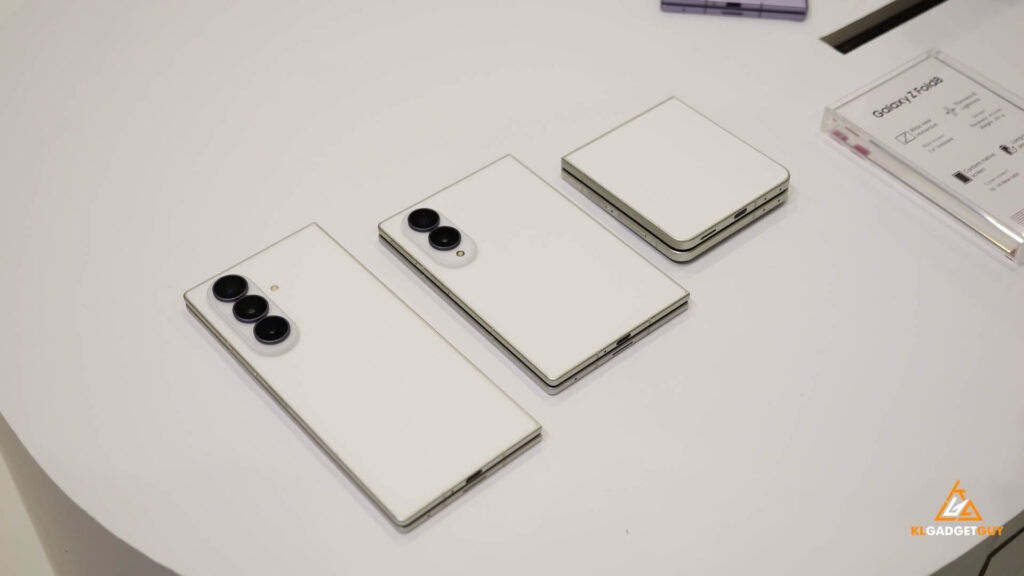
Choose the Galaxy Z Fold8 if you want a foldable that doesn’t constantly remind you that you’re carrying a foldable.
Its 201g body is the standout feature. You still get a 7.6-inch folding AMOLED display, Snapdragon 8 Elite Gen 5 for Galaxy, flagship performance, Galaxy AI, 50MP cameras and a 4,800mAh battery. At RM7,299, it’s also the more affordable way into Samsung’s latest book-style foldable.
I’d particularly recommend it to users who primarily consume content, game, read, use social media and occasionally need the larger display for productivity.
Choose the Galaxy Z Fold8 Ultra if you’re already prepared to spend around RM8,000 and want the complete Fold experience.
The RM800 premium isn’t insignificant, but you’re getting tangible hardware upgrades rather than simply paying for the Ultra badge. The 8-inch display is better suited to serious multitasking, while the 200MP main camera and 3x optical telephoto bring the camera experience much closer to what you’d expect from Samsung’s Ultra-class flagships.
There’s also an interesting indication of which approach consumers prefer. Samsung says Southeast Asian and Oceanian pre-orders for the Fold8 and Fold8 Ultra were almost 60% higher than the previous generation, with the regular Fold8 accounting for nearly six out of every ten Galaxy Z8 devices ordered.
That makes sense.
The Fold8 is probably the better foldable for most people because Samsung has finally addressed one of the category’s biggest compromises: carrying a heavy device every day.
The Fold8 Ultra, meanwhile, is the one I’d choose if photography, multitasking and maximum screen real estate matter more than shaving 14 grams from your pocket.
Ultimately, Samsung hasn’t made the Fold8 deliberately inferior to push buyers toward the Ultra. Instead, it has created two genuinely different interpretations of what a foldable should be — and that’s what makes this year’s decision much more interesting.
Compare the Galaxy Z Fold8 and Z Fold8 Ultra at Samsung Malaysia