
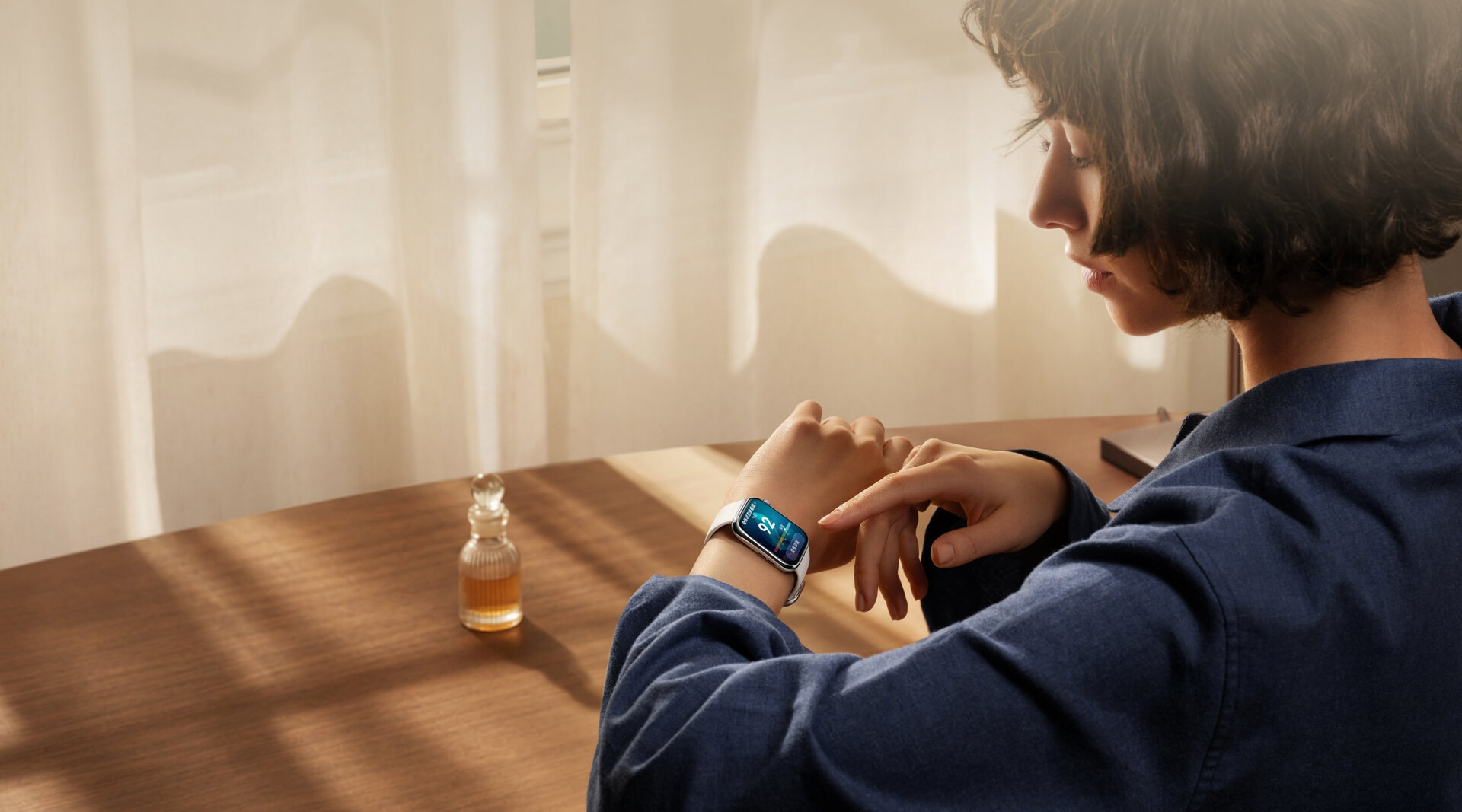
Huawei has launched the Watch Air in China, positioning it as a thin, lightweight smartwatch that still carries the company’s broader health and fitness features. It starts at CNY2,499, with Malaysian pricing and availability yet to be announced.
The watch measures 6.9mm thick excluding its sensor area and weighs 27g without the strap. Huawei uses a titanium case and a 1.92-inch LTPO AMOLED display with 1.4mm bezels. The company quotes a peak brightness of 3,500 nits, which should help outdoors, although peak figures do not describe the brightness sustained across the whole display.

Health features without the usual bulk
Huawei says the Watch Air can collect up to 16 health measurements through a one-tap check and turn them into AI-assisted health insights. It also provides a body-readiness view intended to combine factors such as activity, recovery and rest. These summaries may be useful for spotting trends, but Huawei states that the health features are not medical devices and that AI-generated information is for reference.
That distinction matters. A smartwatch can encourage more consistent tracking and make changes easier to notice, but readings such as heart rate, sleep or recovery should not replace a diagnosis. Users with health concerns should treat unusual results as a prompt to seek professional advice rather than a final answer.
Five-day battery claim and wireless charging
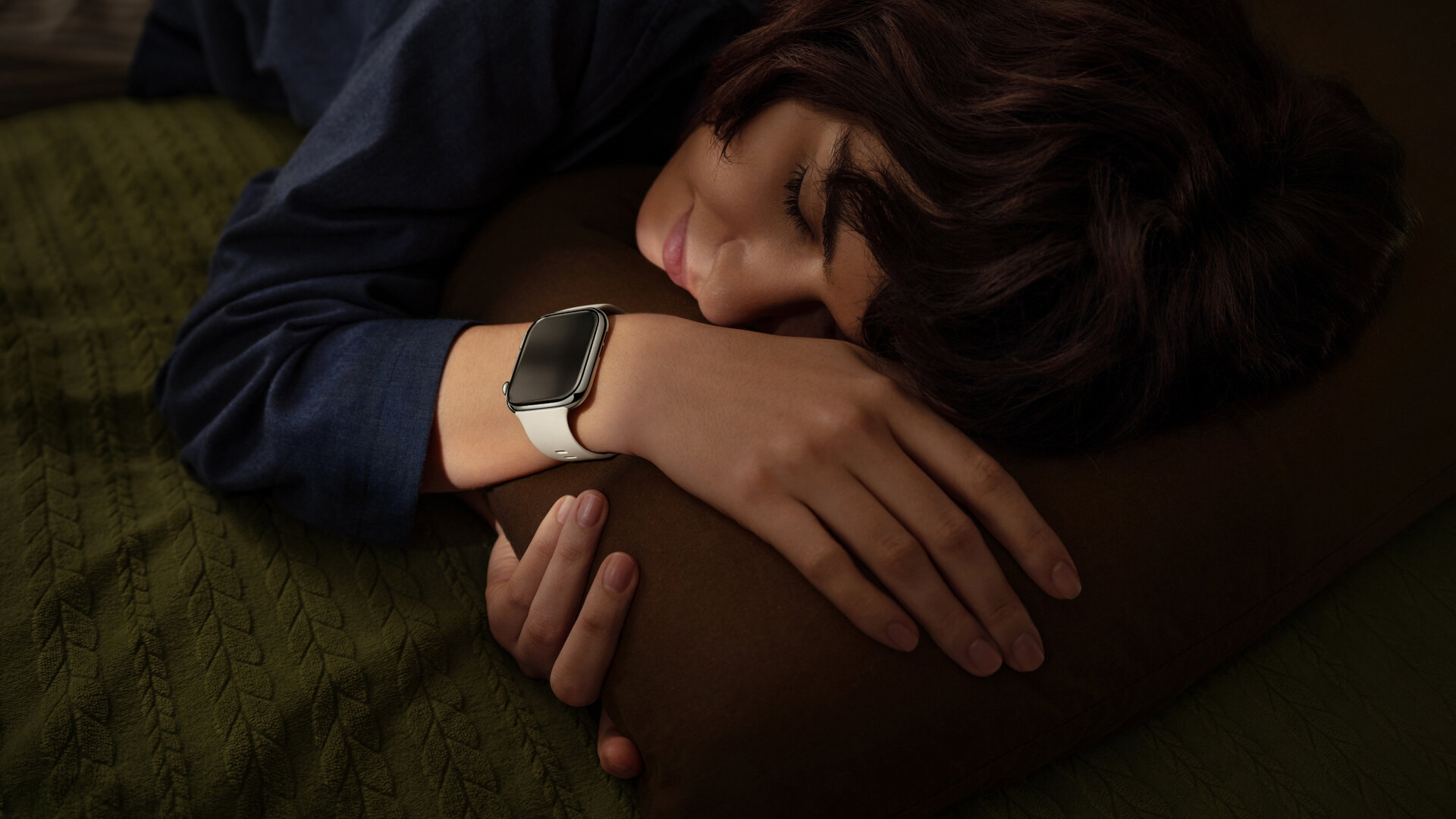
Huawei claims up to five days of regular use. A 10-minute wireless charge is said to provide enough power for one day, making short top-ups more practical than carrying a proprietary cable everywhere. Real endurance will vary with the always-on display, workout GPS, notification volume and health-monitoring frequency, so the five-day figure should be treated as a manufacturer estimate until independent testing is available.
The Watch Air carries 5ATM and IP69 ratings. That gives it a useful level of water and dust protection on paper, but owners should still follow Huawei’s guidance for swimming, hot water and high-pressure exposure. Water resistance can also decline as seals age.
A broadly compatible design, with a regional caveat
Huawei lists support for Android, iOS and HarmonyOS devices, which is helpful for buyers who do not want their watch tied to one phone brand. Some functions, apps and payment services may still vary by platform and country.
The Watch Air’s most interesting idea is not a single sensor. It is the attempt to make a full-featured health watch thin enough to wear through workouts, workdays and sleep. That could be more valuable than adding another niche metric, because wearable data becomes more useful when the device is comfortable enough to stay on the wrist. For now, Malaysian buyers will need to wait for a confirmed local model, price and feature list.