
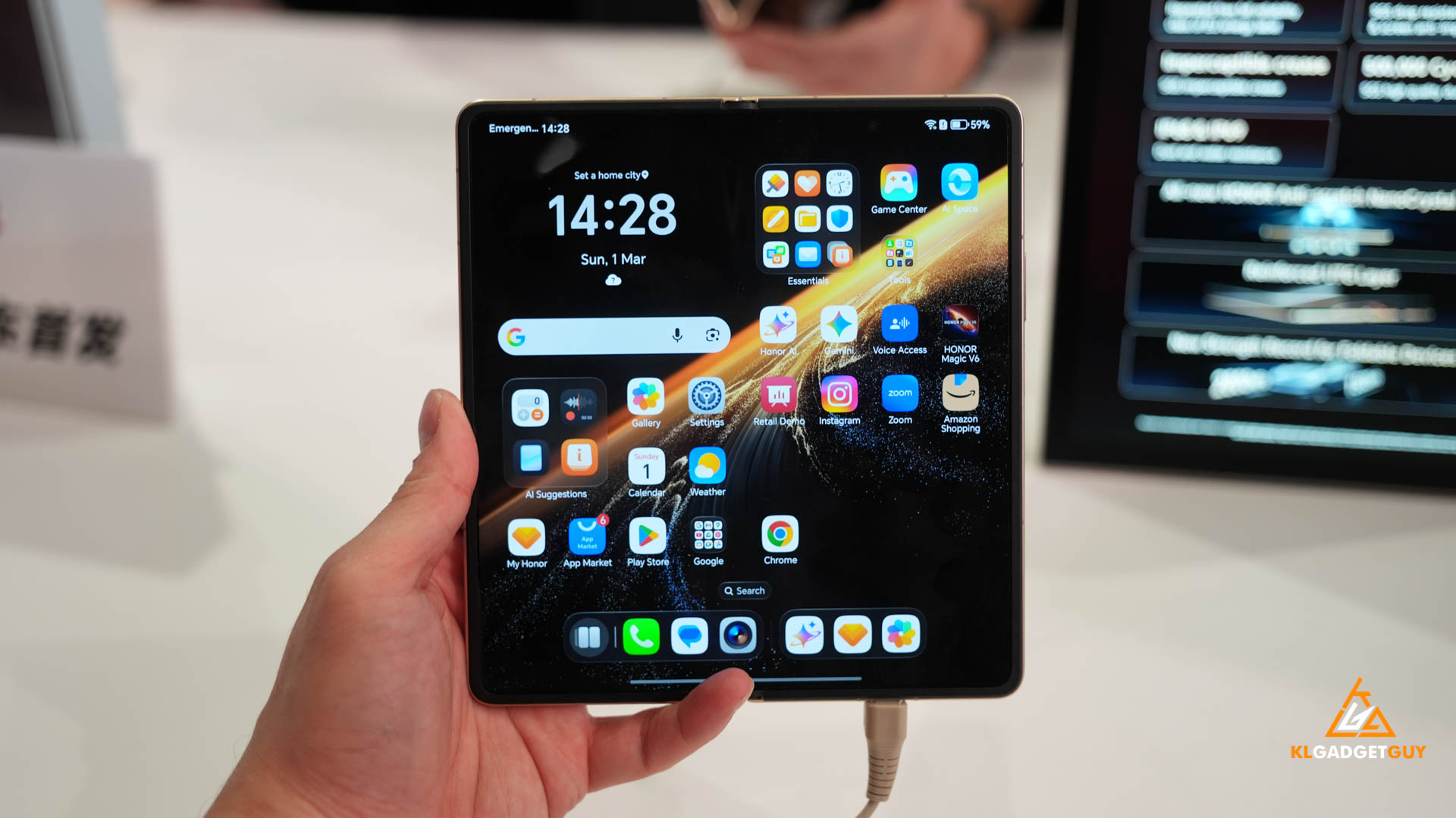
At Mobile World Congress 2026 in Barcelona, HONOR unveiled a new generation of flagship devices spanning smartphones, tablets and PCs, led by the ultra-thin HONOR Magic V6, the futuristic HONOR Robot Phone, the HONOR MagicPad 4 and the HONOR MagicBook Pro 14. Together, the lineup highlights HONOR’s strategy of building a deeply integrated AI ecosystem across device categories.
HONOR Magic V6: Ultra-Thin Foldable with Flagship Hardware
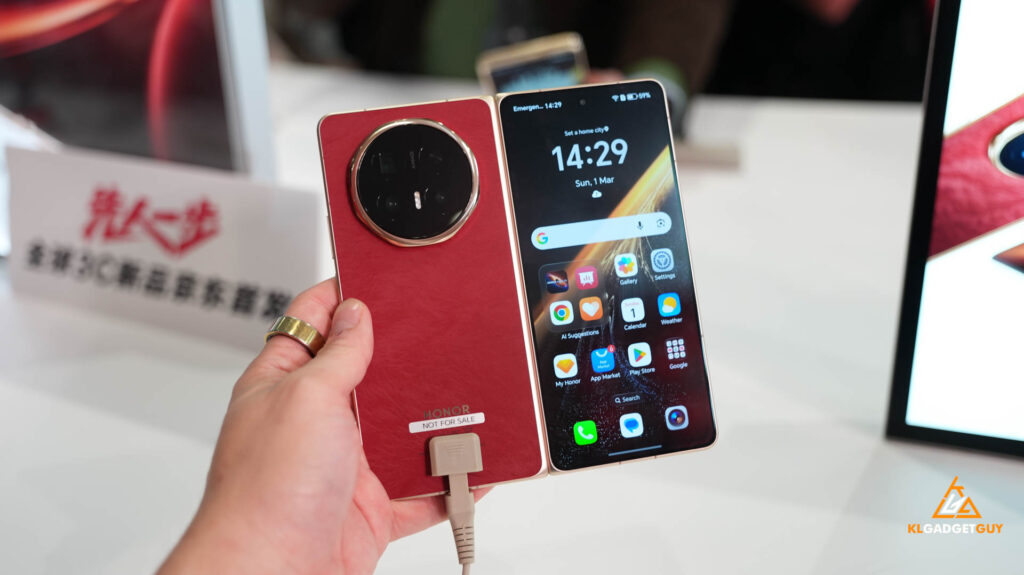
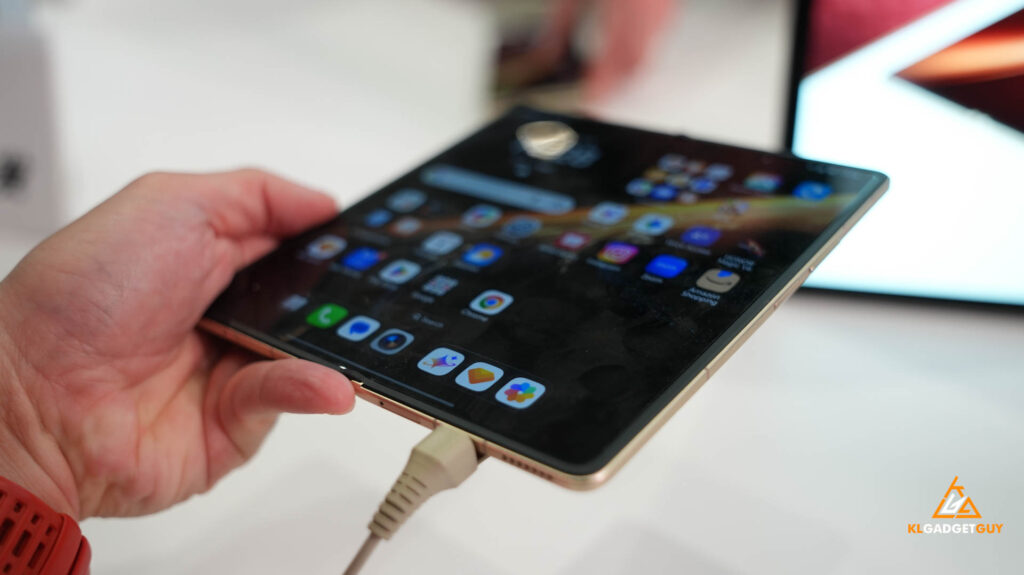
The Magic V6 takes centre stage as HONOR’s latest book-style foldable, featuring an ultra-slim body measuring about 8.7 mm when folded. It houses a 6.52-inch outer display and a 7.95-inch inner screen, both supporting adaptive refresh rates up to 120 Hz and extremely high peak brightness for HDR viewing.
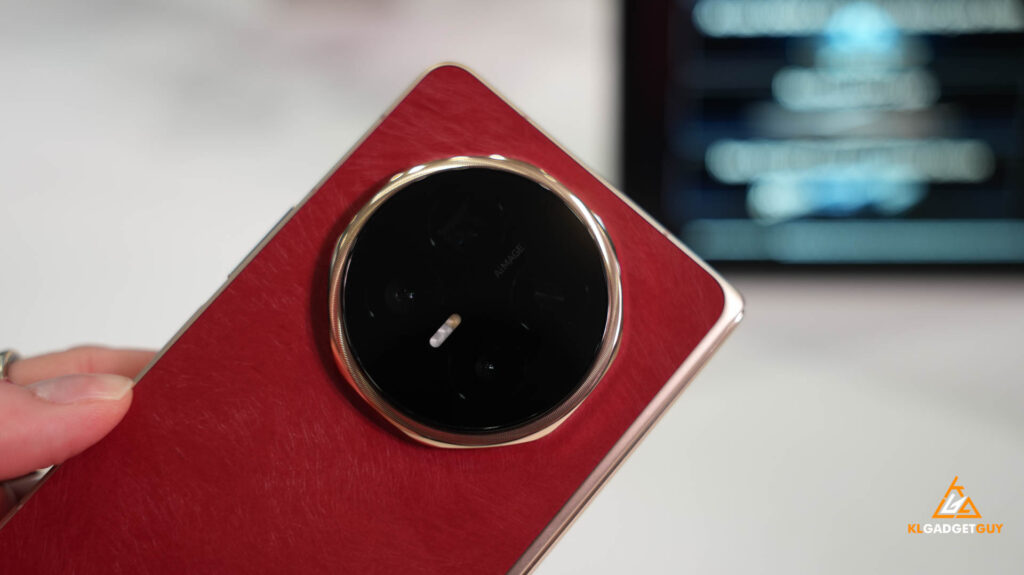
Powered by the Snapdragon 8 Elite Gen 5 chipset, the device packs flagship performance alongside a large 6,660 mAh battery with 80 W fast charging support. Camera hardware includes a triple-lens system consisting of a 50 MP main sensor, 64 MP telephoto lens and 50 MP ultra-wide camera, plus dual front cameras for selfies and video calls.
HONOR also emphasises durability, with an advanced hinge design and water- and dust-resistant construction — features that aim to make the foldable practical for everyday use rather than just a premium showcase.
HONOR Robot Phone: A Glimpse Into Embodied AI
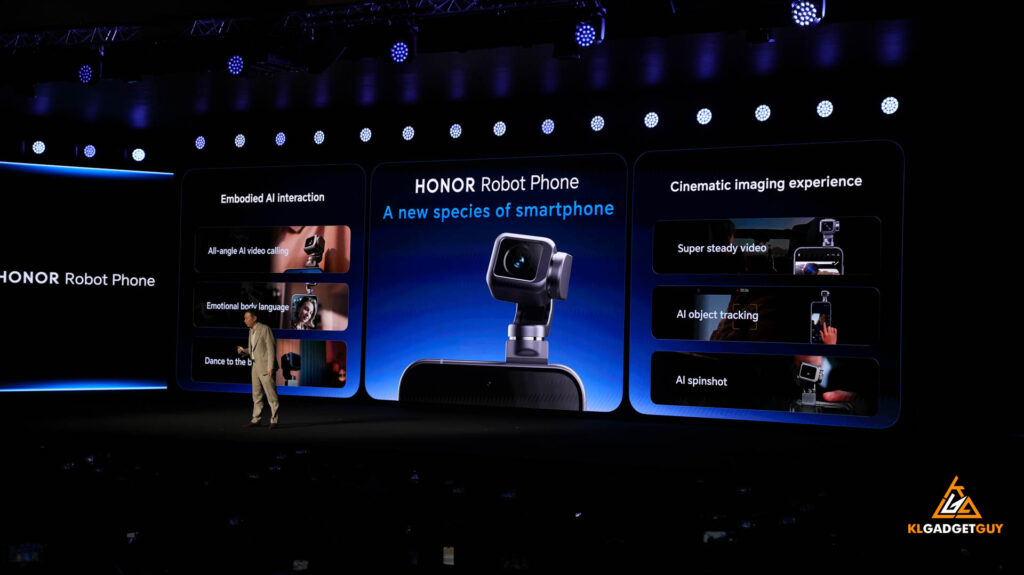
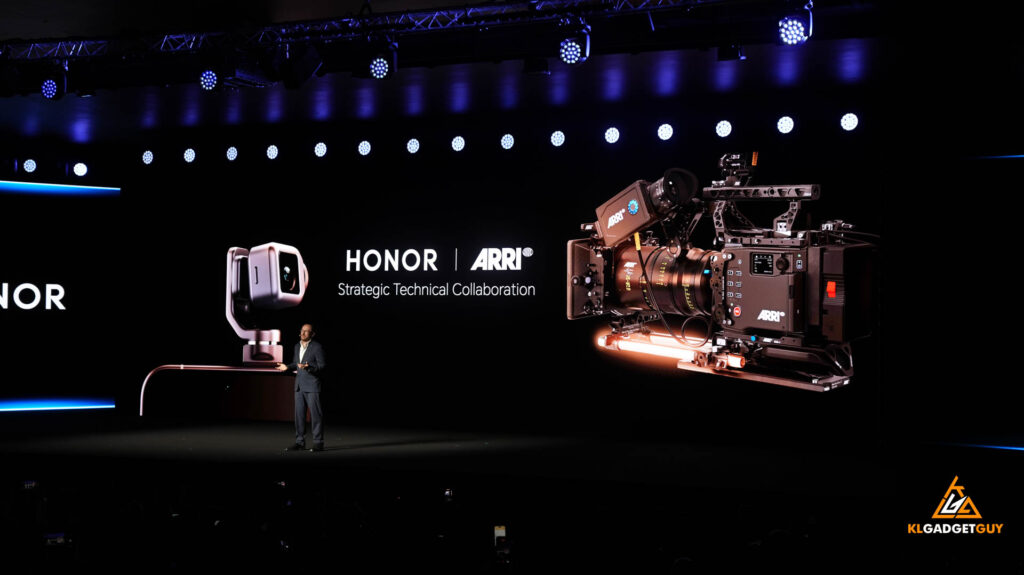
Perhaps the most talked-about announcement was the Robot Phone, a concept device that merges smartphone technology with robotics. Instead of a fixed camera module, it features a movable robotic camera arm equipped with a high-resolution sensor and gimbal stabilisation.

The articulated system can track subjects automatically, adjust angles during video calls and even perform expressive movements such as nodding or reacting to the user. Demonstrations also showed the device responding to sound and motion, signalling HONOR’s exploration of “embodied AI” — technology that physically interacts with the environment rather than operating purely through software.
While still a prototype, the Robot Phone represents HONOR’s long-term ambition to redefine how people interact with mobile devices.
HONOR MagicPad 4: Ultra-Thin Tablet Built for Productivity
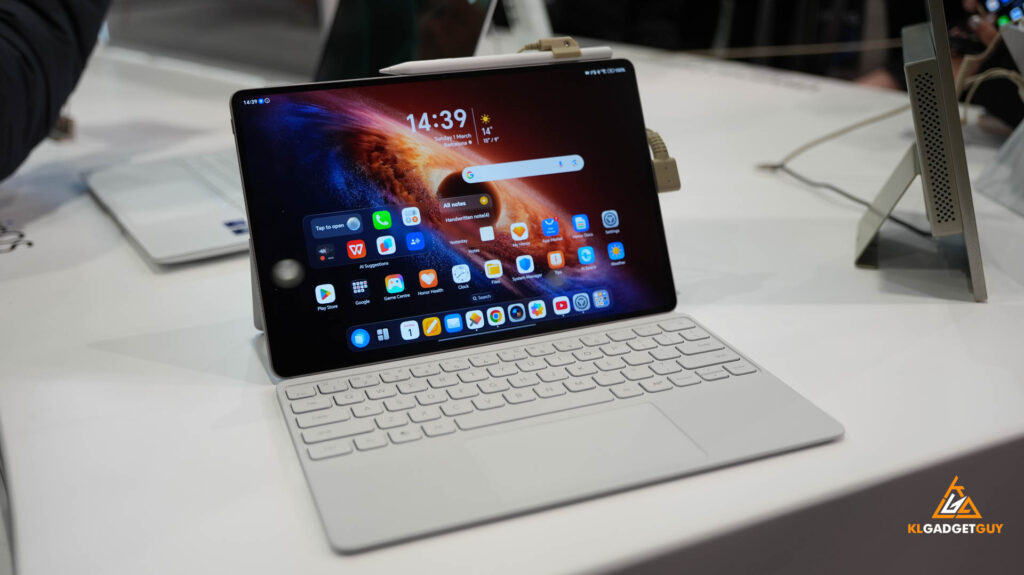
HONOR also introduced the MagicPad 4, positioning it as a powerful yet highly portable tablet. At just 4.8 mm thick and around 450 g, it is among the thinnest tablets in its class.
The device features a 12.3-inch 3K OLED display with a 165 Hz refresh rate and is powered by the Snapdragon 8 Gen 5 processor, paired with a large 10,100 mAh battery for extended use.
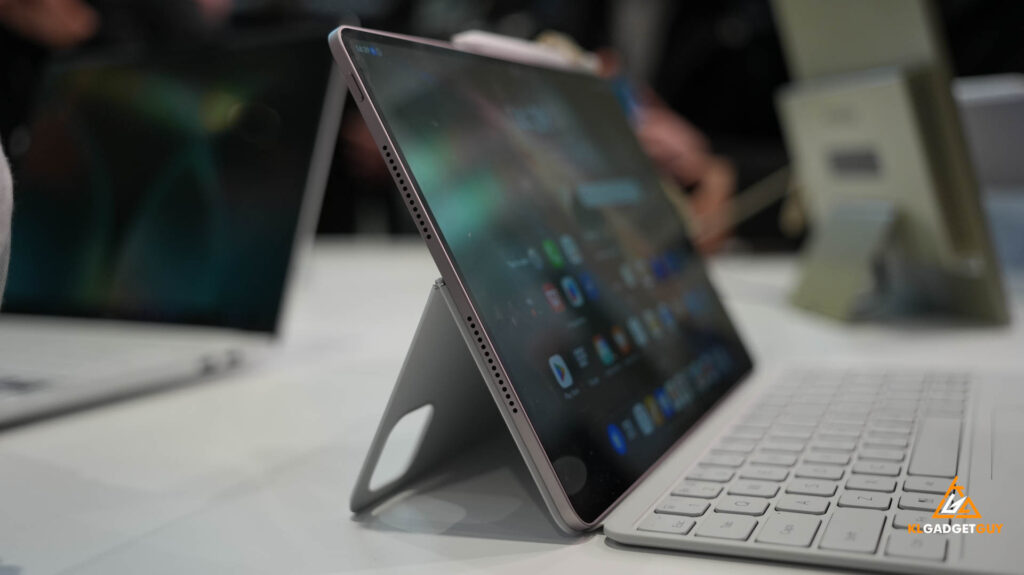
AI-driven multitasking tools and cross-device connectivity aim to transform the tablet into a versatile productivity companion for work, study and entertainment. Pricing starts at around €699 in selected markets, with regional availability to be confirmed.
HONOR MagicBook Pro 14: AI-Powered Laptop for Professionals
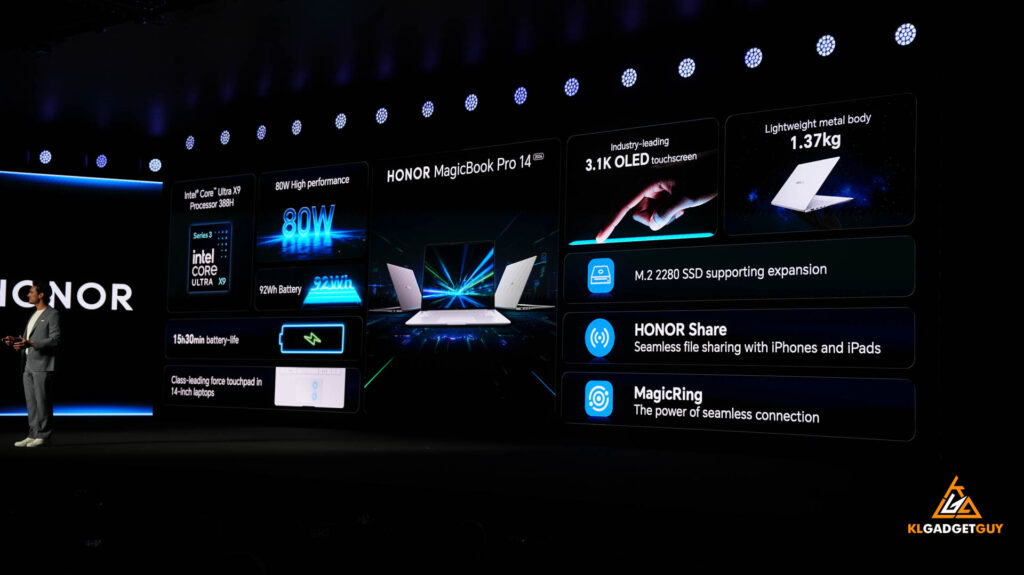
Completing the lineup is the MagicBook Pro 14, a premium laptop designed to deliver high performance with intelligent power management. It features Intel Core Ultra Series 3 processors and a 14.6-inch OLED display with professional-grade colour accuracy.
The laptop focuses on productivity and creative workflows, with AI features helping optimise performance, battery usage and cross-device integration within the HONOR ecosystem.
Expanding an AI-Driven Device Ecosystem
Rather than launching isolated products, HONOR used MWC 2026 to showcase a connected ecosystem spanning smartphones, tablets, PCs and even robotics. The company says this approach reflects its broader vision of integrating intelligence across both digital and physical experiences, positioning future devices as proactive companions rather than passive tools.
Availability will vary by product, with the Magic V6 expected to reach select markets in the second half of 2026, while the MagicPad 4 launches earlier in certain regions. Pricing and local release details will be announced closer to each market rollout.
With these announcements, HONOR has signalled its intention to compete across the entire premium tech spectrum — from foldable smartphones to AI-powered computing devices — while also offering a glimpse into a future where mobile technology may become far more interactive and physically intelligent.